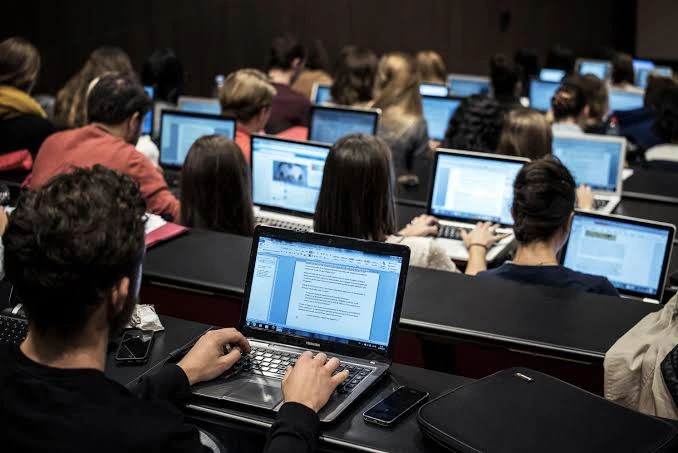
The UK’s examinations regulator, Ofqual, has warned students that using artificial intelligence (AI), smart glasses and other wearable technology to cheat in examinations could result in disqualification from GCSEs, A-levels and other academic qualifications.
Ofqual chief executive Ian Bauckham said students caught engaging in examination malpractice could lose their entire qualifications, potentially affecting their future education and career prospects.
“If you are caught committing malpractice with an important, high-stakes qualification … in extreme cases you can lose the entire qualification which, as I am sure you can imagine, can be life-altering for somebody’s future,” Bauckham told the Press Association.
The warning comes as the regulator steps up efforts to prevent students from using generative AI and increasingly sophisticated wearable devices to gain unfair advantages in examinations.
Ofqual is launching a publicity campaign to remind students that using AI to complete assessed coursework without declaring its involvement constitutes examination malpractice.
Bauckham is also writing to examination boards across England, urging them to train examination supervisors and invigilators to identify the emerging risks posed by wearable technology ahead of next summer’s examination season.
He expressed particular concern about smart glasses and other devices capable of accessing AI systems during examinations.
“It is completely unacceptable for any retailer, online or otherwise, to market items explicitly for the purpose of exam cheating. This has to be challenged,” he said.
Smart Devices Emerge as Popular Means of Cheating
Ofqual recorded 2,225 cases of cheating involving mobile phones and other smart devices during the summer 2025 GCSE, AS and A-level examination season.
The regulator also recorded 100 cases of plagiarism involving AI misuse in the same period, up from 85 cases in 2024.
The figures have intensified concerns about how schools and examination authorities can preserve the credibility of academic qualifications as students gain easier access to generative AI tools.
Bauckham said Ofqual was considering additional safeguards, including closer examination of the sources students use when preparing coursework.

One proposal involves linking coursework more directly to supervised examinations, allowing students to demonstrate that they understand and genuinely produced the work submitted for assessment.
“It could mean linking the coursework in some formal way to the examination, whether that’s a written or a spoken examination, to make sure that we have a guarantee that students have genuinely done the work and genuinely understand it,” he said.