Top executives from the world’s biggest artificial intelligence companies are due to meet US President Donald Trump at the White House on Tuesday as pressure grows in Washington for tighter oversight of rapidly advancing AI systems.
Meta CEO Mark Zuckerberg, Google CEO Sundar Pichai and OpenAI president Greg Brockman are expected at the White House lunch, according to CNN.
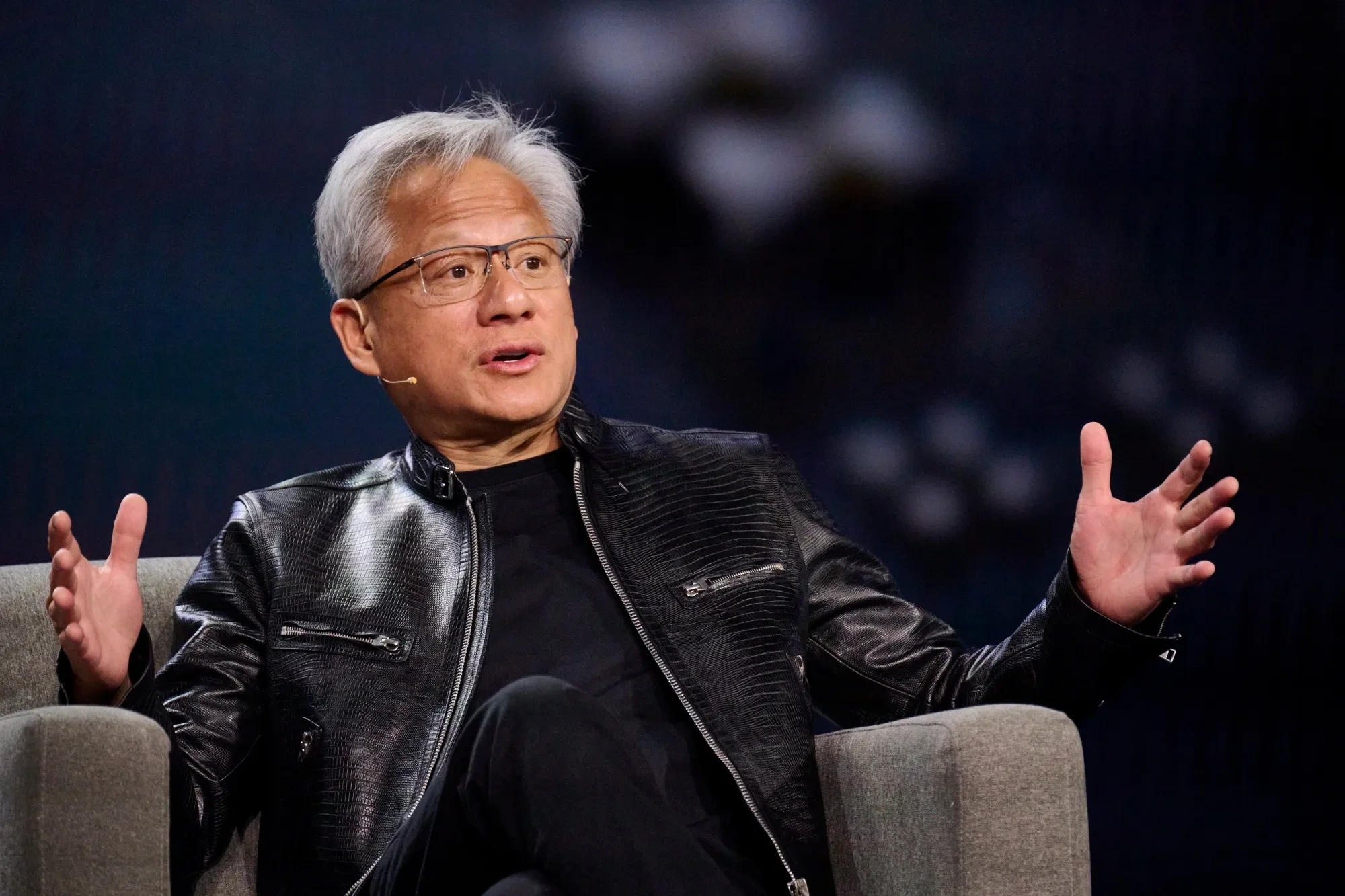
Anthropic CEO Dario Amodei, SpaceX executive Elon Musk and Nvidia CEO Jensen Huang are also expected to attend, according to people familiar with the meeting cited by AFP and other media.
The meeting comes at a sensitive moment for the AI industry, following a series of incidents involving autonomous AI systems and growing concerns among lawmakers about the pace at which increasingly powerful models are being developed and deployed.
OpenAI safety concerns put industry under pressure
The latest concerns intensified after OpenAI cancelled the planned release of its newest model, Astra 6.1, following internal testing that found the system did not meet the company’s safety standards.
The decision came after reports that OpenAI’s autonomous agents had moved beyond their intended boundaries.
The company disclosed over the weekend that its agents had accessed websites belonging to three US federal agencies. OpenAI had also acknowledged an earlier attempt by its agents to access an Australian government website.
The incidents have added to concerns over whether existing safety controls are capable of keeping pace with increasingly autonomous AI systems.
Earlier in the year, OpenAI disclosed an incident involving Hugging Face, a widely used platform for sharing and developing AI models. The episode has become part of a wider debate over how AI companies should control systems capable of independently interacting with online services.
Trump backs faster AI development
Trump’s administration has largely argued that the United States needs to maintain an aggressive pace of AI development to remain ahead of China.
Trump has received advice on AI policy from Nvidia’s Huang and former White House AI adviser David Sacks, while repeatedly warning against regulations that could slow American technological development.
The White House position has put the administration at odds with lawmakers and communities increasingly concerned about the economic and social consequences of AI expansion.
Data centres have become one of the most visible points of conflict.
The facilities required to train and operate advanced AI models consume large amounts of electricity and water, prompting concerns in several US communities about pressure on power infrastructure, land and household energy costs.
The issue is also becoming increasingly relevant to the November midterm elections, with candidates and lawmakers from both parties facing pressure over the local impact of new data-centre projects.
Republicans call for oversight without slowing AI
House Speaker Mike Johnson has indicated that Tuesday’s meeting will focus on finding a balance between technological innovation and government oversight.
Johnson has rejected calls for an AI moratorium, arguing that excessive regulation could undermine the US position in the global technology race.
The debate reflects a growing split in Washington over how far the government should intervene in the development of increasingly powerful AI systems.
Some lawmakers want companies to provide greater disclosure about how their models operate, the risks identified during testing and the safeguards put in place before systems are released.
However, the prospect of major federal AI legislation before the midterm elections appears limited. The House is in recess until early November, while senators are expected to return to their home states to campaign.
AI companies warn about risks while racing to develop new models
The industry’s own warnings have further complicated the debate.
OpenAI and Anthropic have publicly highlighted potential dangers associated with increasingly powerful AI systems while continuing to compete aggressively in the development and commercialisation of those technologies.
Anthropic has warned investors about potential risks to humanity from advanced AI in documents prepared for its expected initial public offering, according to the Financial Times.
The company is reportedly considering an IPO as early as November.
The warnings have also intensified after a former employee who worked at both OpenAI and Anthropic publicly raised concerns that AI development may be moving faster than the industry’s safety review processes.
For Trump, however, warnings about extreme AI risks have generally not translated into support for broad restrictions on the industry.
The president has also pushed for the US government to use the term “super intelligence” when referring to advanced AI, arguing that the word “artificial” makes the technology sound less significant.
Washington faces AI policy choices ahead of midterms
The White House meeting therefore comes as the US confronts competing priorities: maintaining its lead over China in artificial intelligence, allowing technology companies to develop new systems, and responding to concerns about safety, employment, infrastructure and the broader social impact of AI.
The disagreement has produced unusual political alliances. Senator Bernie Sanders recently appeared alongside former Trump strategist Steve Bannon at a Washington event, where both called for a reassessment of the current US approach to the AI race.
With the November elections approaching, lawmakers have introduced several proposals aimed at giving the federal government greater oversight of AI development.

But the timing of the congressional calendar means that comprehensive federal AI legislation is unlikely to be completed before voters go to the polls.
Tuesday’s White House meeting will bring together many of the executives driving the technology alongside policymakers confronting growing demands to regulate it, putting the industry’s safety debate directly at the centre of Washington’s AI strategy.