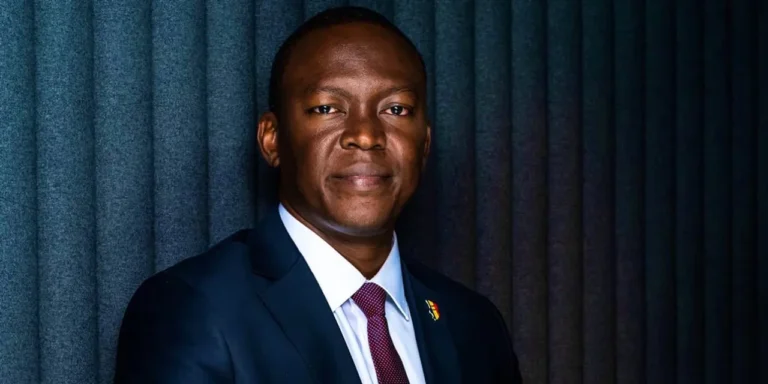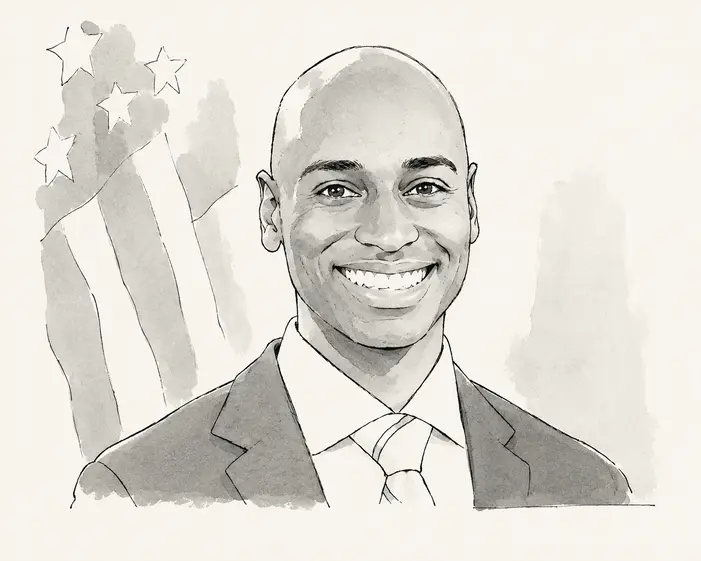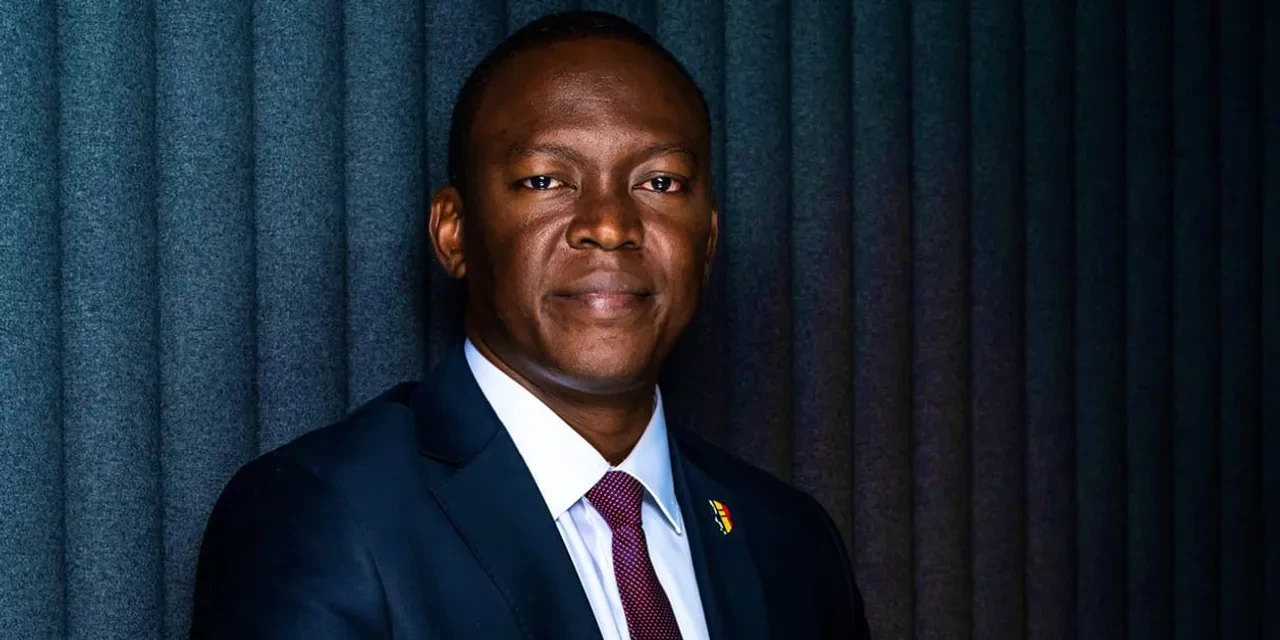
Chad’s release of opposition leader Succès Masra has opened a new chapter in the country’s turbulent political transition, with the former prime minister emerging from more than a year in prison and immediately offering to work with President Mahamat Idriss Déby.
Masra was released on Friday, Aug. 14, after receiving a presidential pardon. Speaking to supporters gathered at the headquarters of his Les Transformateurs party, he said he remained available to work with the president and other political forces to move the country forward.
The gesture marks a striking change in tone between two men who have been political rivals, government partners and presidential opponents within a period of just a few years.
Pardoned, But Still Barred From Office
Masra also made clear that his release did not amount to a full political rehabilitation. He said he had been pardoned but not granted an amnesty, meaning he remains ineligible for political office.
That distinction could prove important for Les Transformateurs. Masra can now return to public political life, but his immediate ability to contest elections remains constrained.
The economist, who trained at Sciences Po in Paris and previously worked at the African Development Bank, became one of the most prominent figures challenging the political establishment in Chad.
From Prime Minister to Presidential Rival
Masra’s relationship with Déby has never been straightforward. In 2024, Déby appointed him prime minister as Chad moved toward elections intended to end the country’s transitional period.
Masra later left government and ran against Déby in the presidential election. He rejected the official result after losing the vote, alleging fraud. The source provided does not give further details of his electoral challenge.
The episode left Masra occupying an unusual position: he had served inside Déby’s government before becoming one of his principal political challengers.
The rivalry deepened the following year.
Masra was arrested on May 16, 2025 and was sentenced three months later to 20 years in prison. The charges were linked to remarks about the carrying of weapons and allegations of inciting hatred during communal violence in southern Chad, where he originates.
His release therefore does not erase the political and legal conflict that led to his imprisonment. Instead, it gives both sides an opportunity to redefine their relationship without immediately resolving the broader dispute.
Masra Shifts Focus to Chad’s Wider Problems
In his first public appearance after his release, Masra shifted attention away from his own legal status and toward the country’s social and economic problems.
He spoke of hunger, disease, unemployment, inadequate roads and shortages of water, describing them as the wider “prisons” from which Chad needs to be freed.
The message allows Masra to return to politics without making his own imprisonment the sole focus of his comeback.
He also called for national unity, singing the national anthem alongside supporters before directly addressing the president.
An Offer to Work With Déby
Masra’s most consequential message was directed at the presidency.
“We remain available to work with the head of state and with everyone else” to help the country move forward, he said, according to the TV5MONDE footage.
The proposal puts the next move in Déby’s hands. Masra’s offer could potentially open discussions over broader political cooperation or an arrangement involving multiple political forces.
For Masra, cooperation could also provide a route back into national political relevance after his electoral defeat and imprisonment, even if he remains unable to contest elections.
What Comes Next
Masra’s political challenge is now to maintain the influence of Les Transformateurs while navigating a relationship with the government he once sought to replace.
For Déby, the question is whether to engage with an opposition leader who remains a prominent figure but has been excluded from electoral politics.
The pardon has therefore changed Masra’s immediate circumstances without resolving the deeper questions surrounding his political future.

For now, the former prime minister is free, but still ineligible for office. His return has been accompanied not by a declaration of renewed confrontation, but by an offer to cooperate.
Whether the president accepts that offer could determine whether Masra’s release becomes simply the end of a prison sentence—or the beginning of a new political arrangement in Chad.