Somalia’s deepening currency crisis is pushing millions closer to poverty as traders, transport operators and businesses increasingly reject the country’s battered Somali shilling notes, leaving many residents unable to afford necessities.
In Mogadishu’s sprawling Bakara market, exchange trader Muse Omar Jama says the collapse in confidence in the Somali shilling has destroyed livelihoods almost overnight.
“It’s like we went bankrupt overnight,” Jama said from his small exchange office, where metal safes filled with millions of Somali shillings now sit virtually worthless.
The crisis intensified last month after traders in Mogadishu began refusing old, torn and heavily worn 1,000-shilling notes, the main denomination still circulating in Somalia. Businesses, pharmacies, transport operators and markets soon followed, spreading the rejection beyond the capital into other regions.
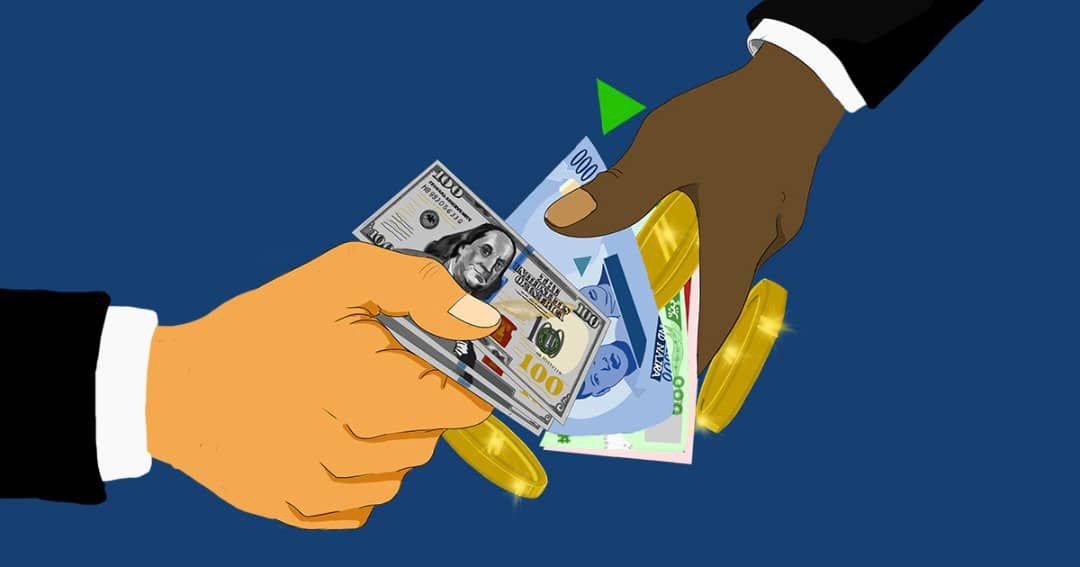
The immediate effect has been a sharp increase in the cost of daily living. Food prices, medicine and transport fares have surged as more transactions shift toward U.S. dollars or mobile-money payments.
A small bag of powdered milk reportedly more than doubled in price following the rejection of the notes.
For Jama, who has worked as a money exchanger since the withdrawal of U.S. troops from Somalia in 1994, the impact has been severe.
“Prior to the rejection of the Somali shilling, I was able to make enough to cover basics such as rent, electricity and water,” he said.
Unable to use shillings on public buses, Jama now walks several kilometres to work daily.
“The rejection of the Somali shillings has hurt poor people the most, even beggars,” he added. “They used to receive a few thousand shillings to buy food and small goods, but now the notes they have are worthless.”
Somali Currency Crisis
Somalia has not officially printed new banknotes since the collapse of Siad Barre’s government in 1991, when the country descended into civil war and the central banking system effectively ceased functioning.
Over the years, the economy has become increasingly dollarized, driven by billions of dollars in remittances sent annually by the Somali diaspora through informal hawala networks.
The widespread presence of international organizations, aid agencies and foreign contractors paying in dollars has further entrenched dependence on foreign currency.
At the same time, mobile-money platforms have become dominant in everyday transactions, gradually replacing physical cash in urban centres.
The transition, however, has disproportionately affected low-income Somalis who depend heavily on physical cash and lack access to formal banking systems.
Vegetable seller Asha Ali Ahmed said farmers in Afgoye, a major farming town near Mogadishu, now insist on mobile-money payments instead of cash shillings.
“Vegetables were already expensive because of the drought,” she said. “The rejection of the shilling only exacerbated our situation.”
Somalia is currently battling one of its worst droughts in recent years, worsening food insecurity across the country
Standard of Living Crisis
According to the World Food Programme, about 6.5 million Somalis face severe hunger, while nearly 2 million children under five suffer acute malnutrition.
The Somali federal government has declared refusal to accept the Somali shilling illegal and ordered businesses to continue using the currency.
But traders remain skeptical about enforcement.
“The government’s decree to save the shilling is good, but we need action,” Jama said. “There are no police, or anyone for that matter, helping us.”
Analysts say the crisis reflects decades of institutional collapse, lack of currency reform and growing public distrust in Somalia’s monetary system.
While authorities and international partners, including the IMF, have discussed plans to reissue modern Somali banknotes and restore central bank credibility, implementation has remained slow amid insecurity and political instability.

For many ordinary Somalis, the crisis has become more than an economic issue.
“Millions are going to suffer,” Jama said quietly. “More families will be pushed into poverty.”