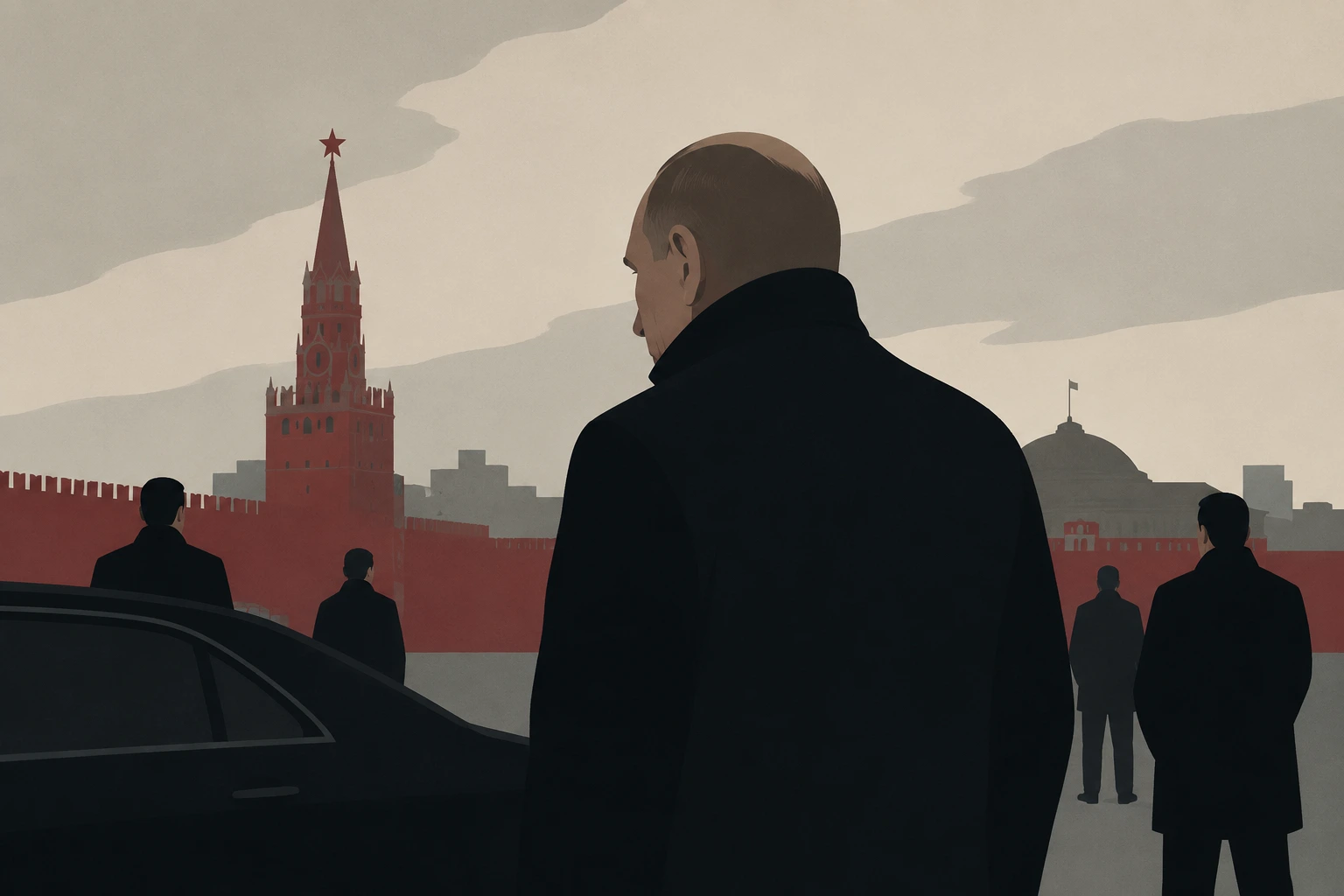
Vladimir Putin has offered a rare public insight into how the Kremlin believes years of war have reshaped the outlook of Russia’s armed forces, saying some servicemen are anxious that an eventual peace could leave them without the sense of purpose they found on the battlefield.
Speaking during a meeting with naval personnel in St. Petersburg on Tuesday, the Russian president said soldiers had become so committed to what they regarded as a historic national mission that some questioned what role they would have once the fighting ended.
“If the war is over, what are we going to do?”
Putin said some troops ask, describing them as deeply invested in what they see as “a big, huge, necessary matter for Russia.”
The comments stand out because Russian officials have rarely discussed the psychological consequences of the conflict on their own forces. Since Moscow launched its full-scale invasion of Ukraine in February 2022, the Kremlin has largely framed military service through the language of patriotism, sacrifice and national security rather than the personal adjustments soldiers may face after combat.
Preparing for the politics of peace
Putin’s remarks come as diplomatic speculation periodically resurfaces over possible ceasefire negotiations, even though fighting continues across multiple fronts and neither Moscow nor Kyiv has signalled readiness for a comprehensive settlement.
By acknowledging that some troops worry about life after war, the Kremlin appears to be preparing the public for another challenge beyond the battlefield: reintegrating veterans whose identities have become closely tied to military service.
Russia has dramatically expanded its armed forces since 2022 through mobilisation, volunteer recruitment and financial incentives. Federal and regional governments have introduced generous signing bonuses, higher military salaries and preferential access to housing, education and employment for veterans and their families.
Those measures have helped sustain recruitment but have also created economic dependence on wartime spending in many regions.
That dependence extends beyond individual soldiers. Defence production has become one of the fastest-growing parts of the Russian economy, with factories operating around the clock to meet military demand. Economists have noted that military expenditure has supported employment and industrial output while simultaneously placing pressure on inflation, labour shortages and public finances.
A familiar challenge after long wars
Military historians have long observed that combat can provide soldiers with a powerful sense of identity, discipline and social belonging that proves difficult to replace in civilian life. Countries from the United States after Vietnam to the Soviet Union following the war in Afghanistan struggled with veterans facing psychological trauma, unemployment and social isolation despite official promises of support.
Russia already confronts similar pressures from veterans of earlier conflicts in Chechnya, Georgia and Syria, although the scale of the war in Ukraine is far larger. Analysts say the eventual return of hundreds of thousands of servicemen could test healthcare systems, labour markets and regional administrations, particularly if the economy slows after wartime spending declines.
Reinforcing the Kremlin’s narrative
Putin’s language also reflects the Kremlin’s broader effort to portray the war as more than a territorial conflict. Since 2022, Russian officials have increasingly described the campaign as an existential struggle against the West and a defining moment in Russia’s national history. Casting military service as participation in a historic mission helps reinforce domestic support even as the conflict enters another year.
For Ukraine and its Western allies, the invasion remains an act of aggression that has violated international law and displaced millions of people. The competing narratives have become central to both sides’ information campaigns, making public statements by senior leaders part of a wider contest over how the war is understood at home and abroad.
Putin’s remarks therefore offered more than a reflection on military morale. They suggested that, for parts of Russia’s political leadership, the question is no longer only how the war is fought, but how a society transformed by years of conflict would adapt if the guns eventually fall silent.