Apple’s latest earnings delivered a contradiction that investors have largely avoided confronting during the artificial intelligence boom: the world’s most valuable consumer electronics company continues to sell more devices than expected, yet the supply chain underpinning that success is becoming increasingly constrained by an AI industry that now consumes many of the same components.
The company’s shares fell sharply after management forecast slower revenue growth for the current quarter and warned that supply-chain limitations would intensify through the remainder of the year.
The reaction reflected more than a single earnings outlook. It signalled growing concern that Apple’s business model—built on predictable hardware production and tightly controlled costs—is becoming exposed to structural shifts in the semiconductor industry.
AI Investment Is Reshaping the Chip Market
Unlike Nvidia, Microsoft, Amazon and Alphabet, Apple has not been among the largest spenders on AI infrastructure. Yet it is increasingly competing with those companies for advanced memory, packaging technologies and manufacturing capacity.
High-bandwidth memory and premium DRAM, once largely associated with smartphones and personal computers, have become essential components for AI accelerators used in hyperscale data centres.
As cloud providers commit hundreds of billions of dollars to artificial intelligence, semiconductor manufacturers have increasingly allocated production to enterprise customers willing to pay significantly higher prices. That shift has altered pricing across the memory market, leaving consumer electronics manufacturers with fewer options and higher procurement costs.
A Supply Chain Built for a Different Era
For Apple, the challenge extends beyond designing its own processors. Every iPhone, Mac and iPad still depends on memory supplied by a handful of manufacturers, leaving the company exposed whenever global capacity tightens.
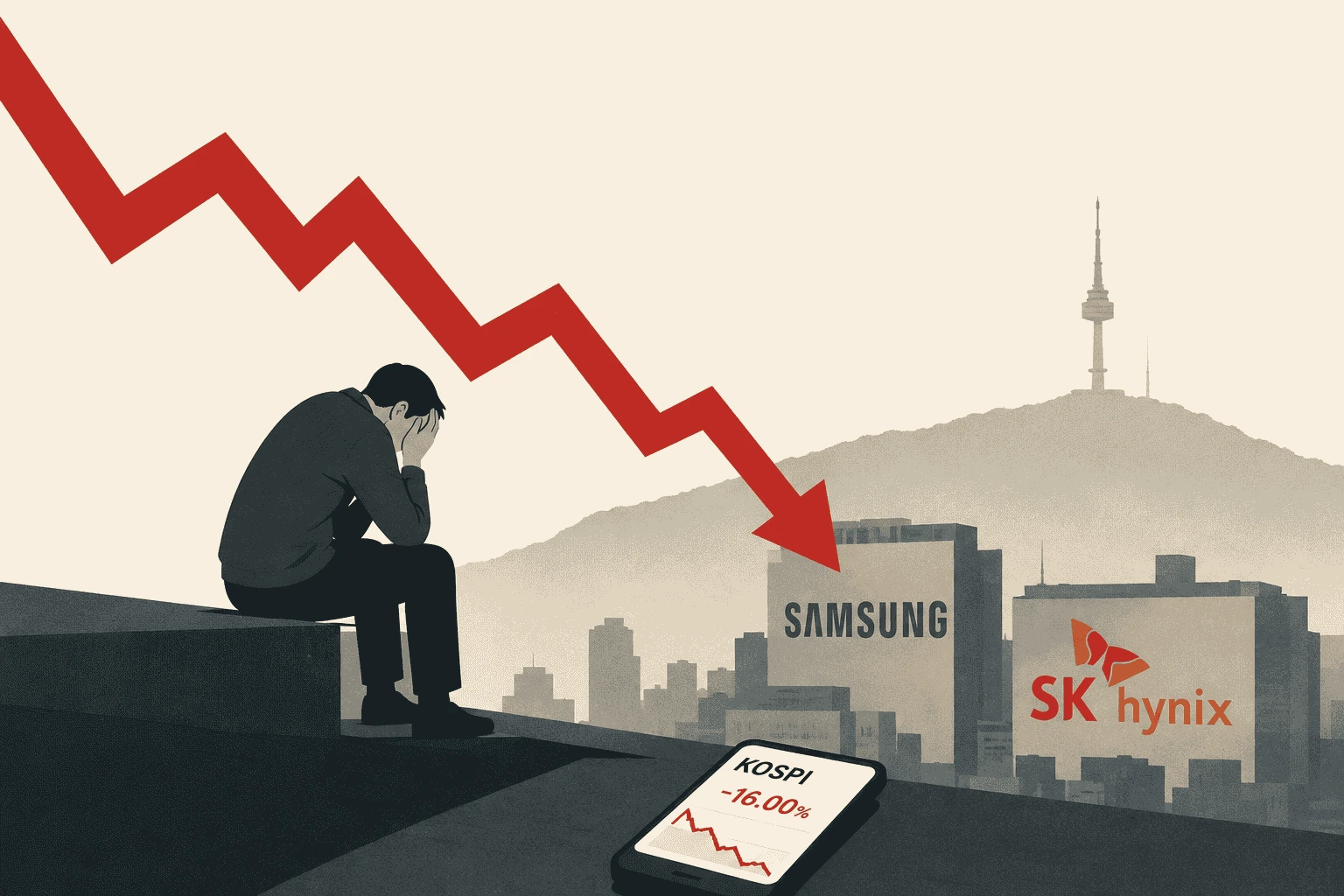
That dependence has also become a geopolitical issue. South Korea’s Samsung Electronics and SK Hynix, together with US-based Micron Technology, dominate the market for advanced memory chips.
China has sought to build an alternative through ChangXin Memory Technologies (CXMT), but US export controls have complicated Beijing’s efforts to establish a fully competitive domestic industry. Any attempt by Apple to diversify suppliers therefore sits at the intersection of commercial strategy and Washington’s technology restrictions on China.
The timing adds another layer of uncertainty. Tim Cook, whose career was defined by building one of the world’s most sophisticated manufacturing networks, is preparing to hand over the chief executive role to hardware chief John Ternus.
Cook transformed Apple’s operations over nearly three decades, reducing inventory cycles, expanding manufacturing across Asia and, more recently, accelerating production in India and Vietnam as geopolitical tensions increased. Ternus now inherits a supply chain facing constraints that operational efficiency alone may not solve.
Strong Sales Cannot Offset Investor Concerns
Apple’s underlying business remains robust. Revenue and iPhone sales exceeded analysts’ expectations, suggesting consumers continue upgrading devices despite weakness across the broader smartphone market. The company has also preserved pricing discipline while many Android manufacturers have relied on discounts to maintain market share.
Investors, however, increasingly compare Apple not with smartphone rivals but with companies leading the AI boom. While Apple’s restrained spending on artificial intelligence has previously been viewed as financial discipline, the latest earnings suggest the company is still exposed to costs generated by the industry’s unprecedented investment cycle.
Higher memory prices are beginning to erode profitability. Analysts widely expect Apple to increase iPhone prices later this year, although the company has expanded financing programmes and trade-in options to reduce the immediate impact on consumers.
Management also indicated that profit margins are likely to narrow as rising component costs outweigh temporary benefits from previous tariff-related adjustments.
The AI Boom Is Reordering the Technology Industry
Apple’s latest results illustrate how the AI race is reshaping technology markets far beyond companies building chatbots or cloud platforms. Demand for specialised chips has tightened supply chains across the electronics industry, forcing smartphone manufacturers to compete with hyperscale data-centre operators for critical components.

For Apple, the immediate priority is securing enough supply to sustain product launches without sacrificing profitability. The longer-term challenge is more strategic: adapting a supply chain optimised for the smartphone era to a technology industry increasingly driven by artificial intelligence infrastructure rather than consumer devices.
The market’s reaction suggests investors believe that transition may prove more difficult than Apple’s financial results alone indicate.