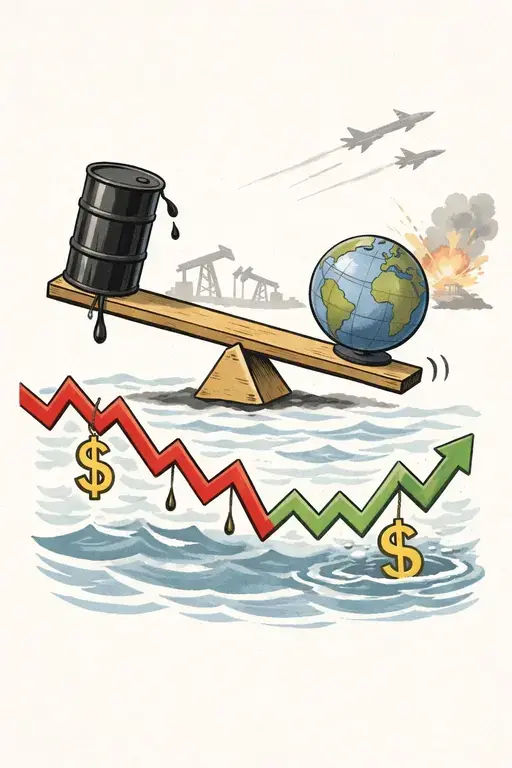
Oil prices surged on Friday, October 30, with Brent crude climbing towards $118 a barrel and US West Texas Intermediate (WTI) rising above $104 as renewed fears of military escalation between Washington and Tehran overshadowed hopes for a diplomatic breakthrough.
Brent crude gained approximately 2.33% to $117.60 a barrel, while WTI advanced 2.13% to $104.20, extending the market’s recovery after Thursday’s losses.
The rally was driven by concerns that the United States could resume military strikes against Iran following next week’s midterm elections, alongside fresh security threats to commercial shipping through the Strait of Hormuz.
Both benchmarks are now on course for their fourth consecutive monthly gains, reflecting the sustained impact of the Middle East conflict on global energy markets.
Potential US Military Action Against Iran
Reports recently emerged that US Central Command chief Admiral Brad Cooper briefed President Donald Trump on possible military options against Iran during a meeting at the White House on Thursday.
The discussions reportedly included the possibility of renewed major combat operations following the November 3 US midterm elections.
Trump has also indicated that further military action remains possible, complicating efforts to revive diplomatic negotiations with Tehran.
The developments have raised concerns that the conflict could escalate further, threatening oil production facilities, export infrastructure and shipping routes across the region.
This comes despite attempts by Vice President JD Vance to revive negotiations through contacts with Iranian security official Mohsen Rezaei. Qatari mediators have also been working on proposals aimed at ending the conflict.
Brent, WTI Crude Head for Fourth Monthly Gains
Friday’s rally puts both international oil benchmarks on course for a fourth consecutive monthly increase.
Brent is heading towards a monthly gain of approximately 14% in October, while WTI is on track to rise by around 15%, according to market reports.
The sustained increase reflects the geopolitical risk premium that has remained embedded in crude prices since the outbreak of the conflict.
For oil-importing countries, particularly those dependent on imported refined petroleum products, prolonged price increases could translate into higher fuel costs, transportation expenses and inflationary pressures.
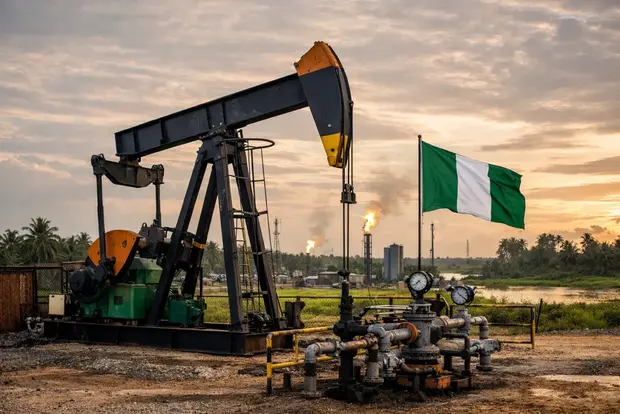
Nigeria, despite being a major crude producer, remains exposed to international oil price movements through its dependence on imported petroleum products and the relationship between crude prices, domestic refining economics and energy costs.