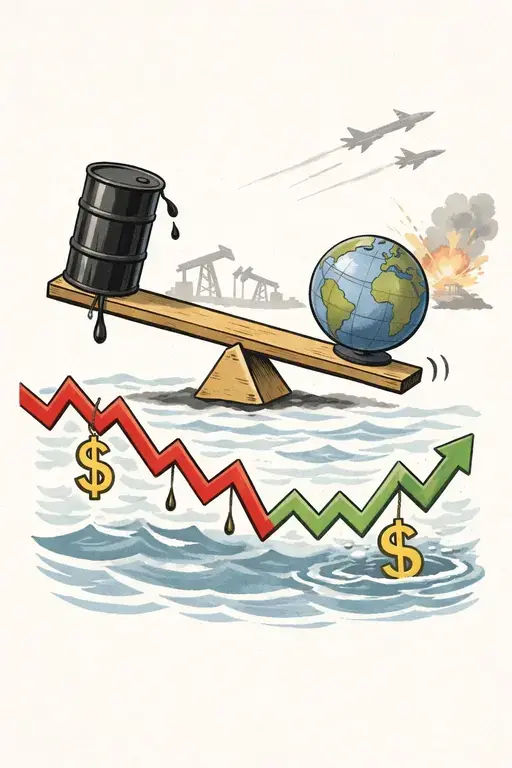
Oil prices pulled back on Monday, retreating from near six-month highs reached late last week, even as continued attacks by Yemen’s Iran-aligned Houthi forces on Saudi Arabia kept supply concerns firmly in view.
Brent crude, the global benchmark, fell approximately 1.2–1.9% to trade near **$115.3 per barrel**. West Texas Intermediate (WTI) declined about 1.5–2.2% to around **$101.5**. Both benchmarks had surged on Friday, with Brent finishing the previous week up roughly 6% and WTI gaining about 2.3%.
What Drove the Pullback
The decline reflected a combination of profit-taking after the sharp weekly advance and some optimism that U.S.–Iran tensions might not escalate further in the immediate term. U.S. President Donald Trump indicated he was weighing options regarding Iran, while reports of mediation efforts, including Qatari involvement, contributed to a temporary easing of the most aggressive risk premium.
At the same time, the market remained cautious. Houthi attacks continued over the weekend, with the group claiming strikes on an airport and oil facilities in Saudi Arabia. Saudi authorities reported intercepting additional missiles and drones. These incidents followed a series of strikes the previous week that had helped push oil prices higher.

Last week’s rally had been fueled by fears of wider disruption to Middle East crude flows. Brent had climbed to its highest levels since May amid the broader regional conflict that has already elevated oil prices significantly this year. Monday’s move represented a partial correction rather than a fundamental shift in the geopolitical backdrop.
Oil retreated Monday from multi-month highs. Brent fell to around $115 and WTI to $101.5 amid de-escalation hopes, though Houthi attacks on Saudi Arabia kept supply risks alive.