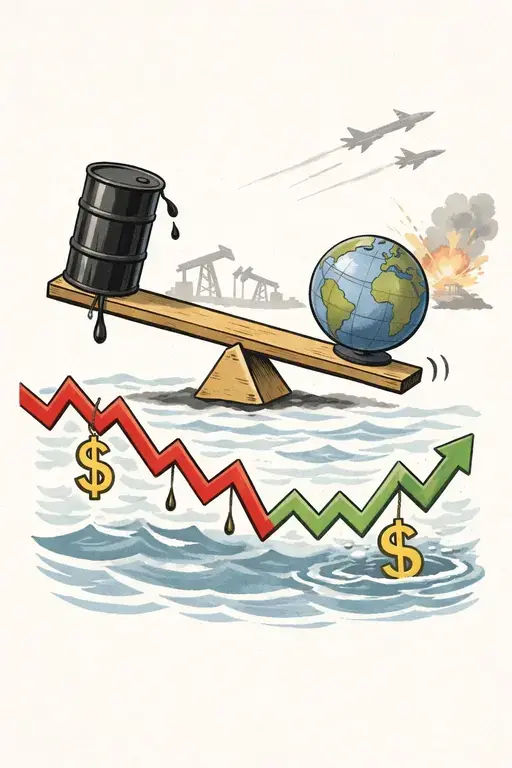
Global oil prices declined on Friday, November 6, with Brent crude falling below $98 per barrel and West Texas Intermediate (WTI) approaching $90 as markets headed for one of their steepest weekly losses in months.
Brent crude futures fell 0.61% to $97.69 per barrel, while US-traded WTI futures declined 0.67% to $89.91, reflecting a retreat in the geopolitical risk premium that had supported oil prices through much of October.
Both benchmarks were on track to lose approximately 12% over the week as investors reassessed the potential impact of political developments in the United States on the conflict involving Iran and the broader Middle East.
US midterm elections weigh on oil prices
The latest decline in oil prices has been driven largely by expectations that the Democratic Party’s gains in the US midterm elections could encourage a more diplomatic approach to the Iran conflict.
The possibility of reduced geopolitical tensions has weakened concerns about prolonged disruptions to global crude supplies, prompting traders to unwind some of the risk premiums built into oil prices in recent weeks.
The shift in market sentiment comes after oil prices climbed sharply in late October amid escalating tensions and concerns about disruptions to energy shipments through the Gulf.
However, the prospect of diplomatic progress has encouraged investors to reassess the likelihood of further supply disruptions and the potential duration of the conflict.
Oil Market Outlook
Friday’s decline represents a significant retreat from the elevated levels recorded in recent weeks, although international crude prices remain high compared with levels earlier in the year.
Market participants are expected to continue monitoring diplomatic developments involving Washington and Tehran, reports of tanker attacks and changes in Gulf oil export volumes.
Any meaningful progress towards de-escalation could put additional downward pressure on prices by reducing concerns about supply disruptions.

Conversely, fresh attacks on energy infrastructure or shipping routes could trigger renewed volatility and push crude prices higher.
For now, oil markets appear increasingly focused on the possibility of reduced geopolitical tensions, even as underlying supply risks remain unresolved.