Oil prices edged higher on Thursday, November 5, recovering modestly from their steepest daily losses in months as investors reassessed the prospects of a diplomatic resolution to the US-Israeli war with Iran.
Brent crude rose 1.52% to $96.06 a barrel, gaining $1.44, while US West Texas Intermediate (WTI) advanced 0.48% to $88.54, adding $0.42.
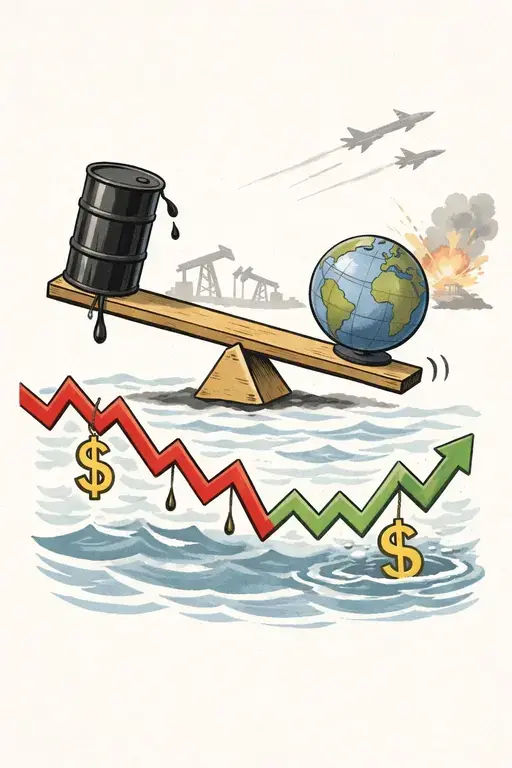
The recovery followed Wednesday’s dramatic sell-off, when both international benchmarks plunged more than 8%, falling to their lowest levels in more than two months.
Despite Thursday’s gains, the market remains under pressure as expectations of improved diplomatic relations between Washington and Tehran reduce the geopolitical risk premium that had pushed crude prices towards $118 a barrel in late October.
US Midterm Election Results Change Market Expectations
The sharp decline in oil prices followed the Democratic Party’s victories in the November 3 US midterm elections, in which Democrats secured control of both chambers of Congress.
The outcome has encouraged speculation that President Donald Trump could face greater domestic political pressure to reconsider the military campaign against Iran and prioritise diplomatic efforts.
US Vice President JD Vance attributed the Republican Party’s electoral losses partly to the war, reinforcing expectations that Washington could seek an exit from the conflict.
Trump has also indicated that the United States has no immediate plans to launch fresh military strikes against Iran, although Washington has not ruled out further military action if negotiations fail.
The political developments have encouraged traders to reduce their exposure to oil contracts that had benefited from fears of a prolonged regional conflict.
Oil Prices Remain Far Below October Highs
Thursday’s recovery has done little to reverse the broader decline in crude prices.
Brent, which approached $118 a barrel on October 30, has surrendered a substantial portion of its October gains. WTI has similarly retreated from above $104 to below $90.
The latest movement highlights the extent to which oil prices have become dependent on expectations surrounding the Middle East conflict.
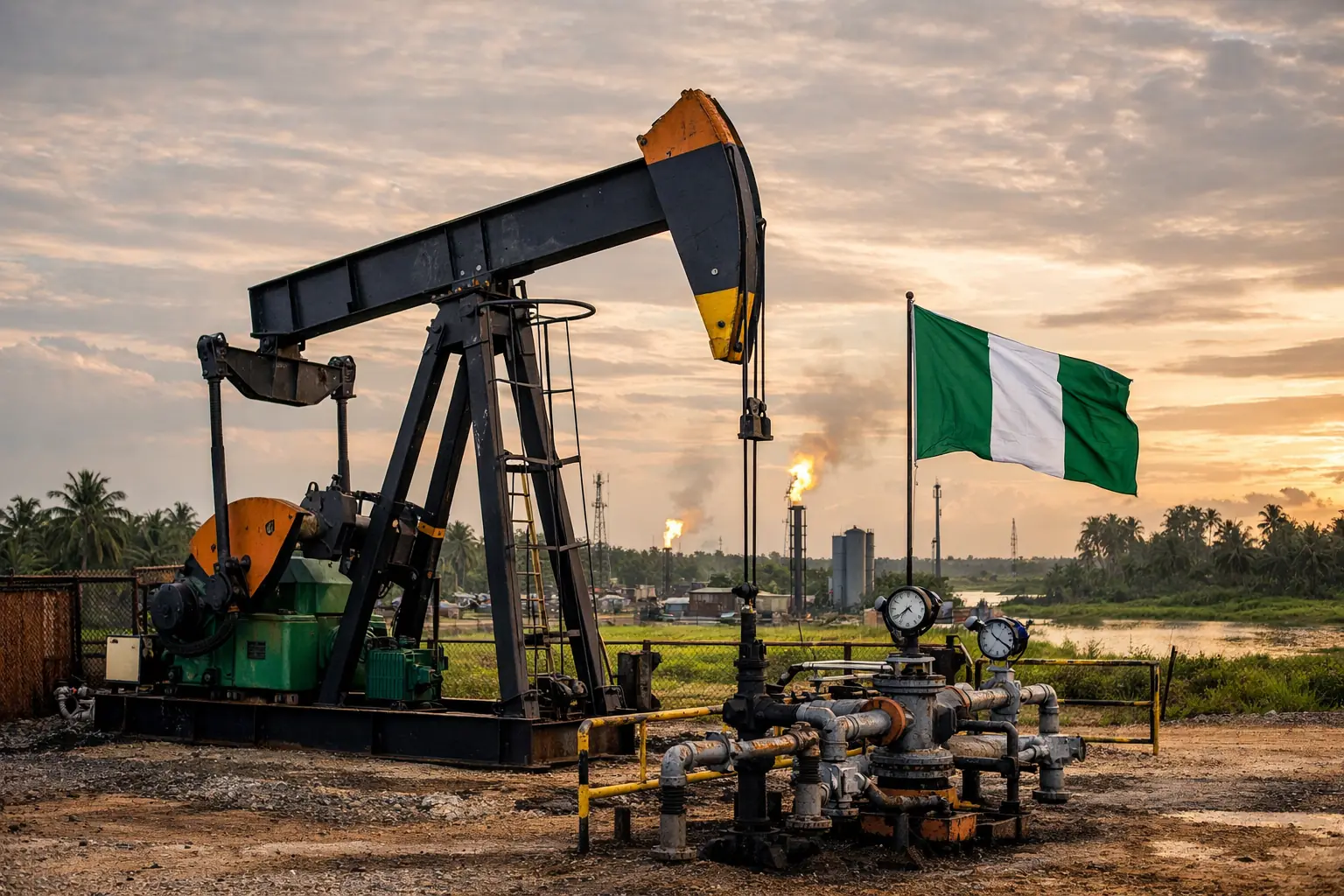
For Nigeria, a sustained decline in international crude prices could weaken government oil revenue and foreign exchange earnings, particularly if lower prices are accompanied by production challenges.

However, cheaper crude could also reduce feedstock costs for domestic refineries, depending on exchange rates, refining margins and the prices of finished petroleum products.
For now, traders are watching whether Washington and Tehran can translate diplomatic contacts into a concrete agreement. A breakthrough could encourage further declines, while renewed military escalation could quickly restore the geopolitical premium in crude prices.