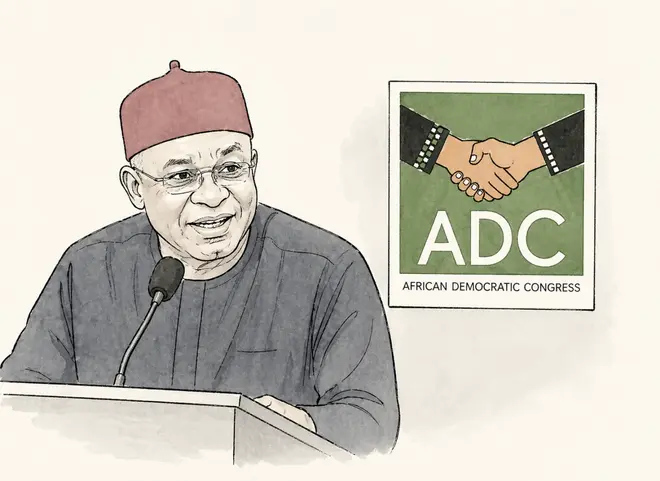
Former Anambra State governor, Peter Obi, has defended his history of moving across political parties, insisting his decisions were driven by principle rather than political convenience.
Speaking in a recent interview, Obi pushed back against criticism that his transitions—from All Progressives Grand Alliance (APGA) to the Peoples Democratic Party (PDP), and later to the Labour Party—suggest a lack of long-term commitment.
According to him, each move reflected his refusal to remain in systems he believed had become compromised.
“I left APGA due to what I considered discriminatory treatment that became toxic and destructive to governance,” Obi said. “In PDP, I saw a system that had become transactional. I cannot be part of a structure where outcomes are bought rather than earned.”
‘Transactional Politics’ at the Core
Obi emphasized that his departure from the PDP stemmed from deep concerns about internal practices, describing the party as one where rules were routinely ignored.
“I cannot be paying people to solve problems,” he said, criticizing what he described as a culture of monetized political influence.
His move to the Labour Party, which energized a large base of young and reform-minded voters, was also not without challenges. Obi pointed to internal disputes and delays in institutional recognition of court decisions as evidence of systemic issues.
Referencing a ruling by the Supreme Court of Nigeria, Obi noted that the Independent National Electoral Commission (INEC) allegedly delayed compliance for months, further complicating party stability.
Allegations Against the Ruling Party
Obi also made fresh allegations against the All Progressives Congress (APC), accusing the ruling party of deliberately destabilizing opposition groups.
He claimed that internal crises within parties like the PDP and Labour were not entirely organic, but in some cases fueled by external interference designed to erode public confidence.
“When opposition parties appear disorganized, the public loses trust,” Obi argued. “People begin to ask: if you cannot fix your own house, how can you fix the country?”
He further alleged that such interference extended to logistical obstacles, including difficulties in securing venues for political events.
Obi cited challenges faced in organizing a planned convention scheduled for April 14, suggesting that access was being deliberately restricted.
On Primaries and Political Ambition
Addressing concerns about his political future, Obi rejected claims that he avoids competitive primaries or seeks shortcuts to presidential tickets.
“I do not run away from primaries,” he said, responding to suggestions that he might exit the African Democratic Congress (ADC) if internal competition becomes intense.
The interviewer had questioned whether Obi would again switch parties if he failed to secure the ADC presidential ticket, especially in a political environment he himself described as “transactional.”
Obi maintained that his focus remains on integrity rather than political survival.
“What matters is not where people were yesterday, but where they stand today,” he said, signaling that his continued participation in any party would depend on its adherence to fairness and due process.
A Broader Debate on Political Loyalty
Obi’s remarks highlight a broader debate within Nigeria’s political landscape: whether party loyalty should outweigh ideological consistency and governance standards.
While critics argue that frequent party changes raise questions about stability, Obi’s defense frames his actions as a rejection of compromised systems rather than an abandonment of responsibility.
As political realignments continue ahead of future elections, his stance underscores ongoing tensions between principle and pragmatism in Nigeria’s evolving democracy.