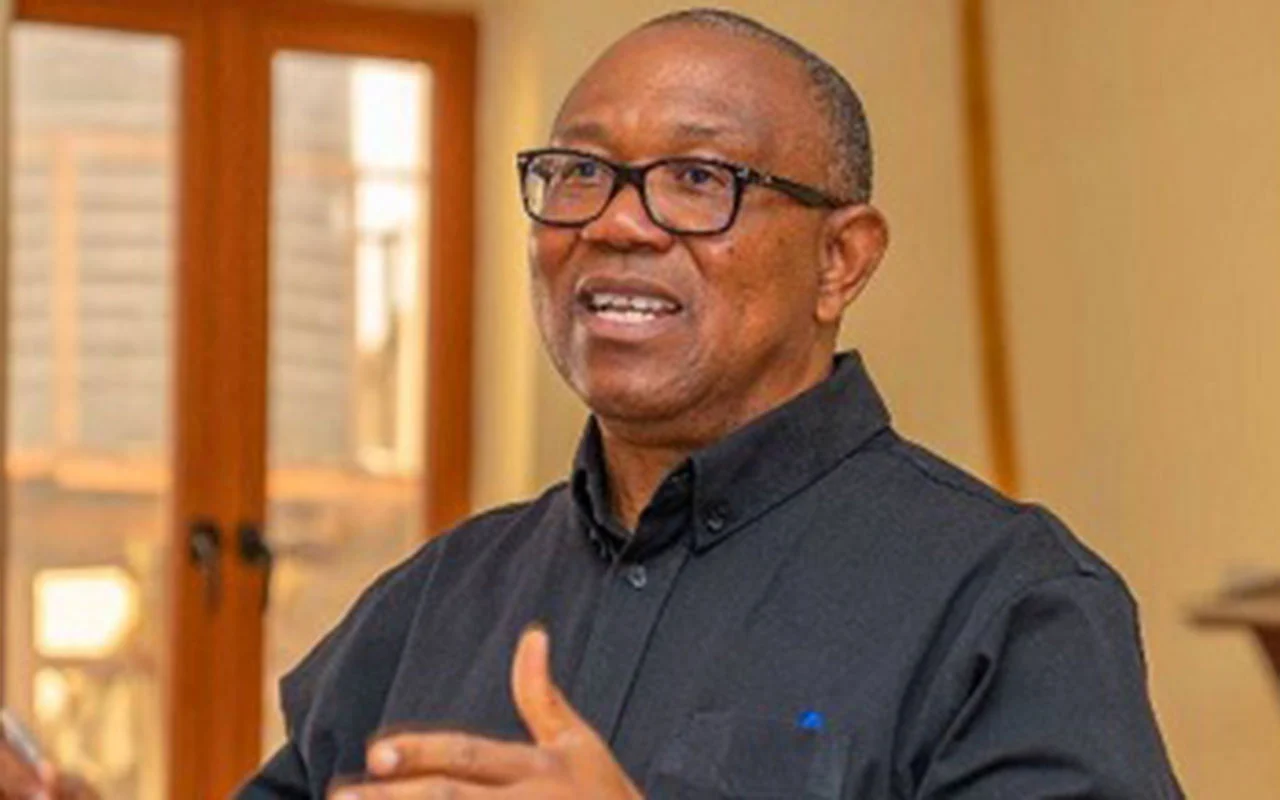
2027 presidential hopeful Peter Obi has stated the problem with Nigeria’s education sector is not entirely about funding but more about leadership failure and lack of accountability.
He made this comments in a statement on Wednesday stating that the recent revelation made by Tunji Alausa that despite receiving nearly 80% of educational donor funding over the last ten years, the North-West and North-East regions still show the lowest literacy and numeracy rates in Nigeria buttresses this.
Pointing out the issues with education, Peter Obi said “This issue goes beyond just a lack of funding; it highlights failures in leadership, accountability, and governance.
“Financial resources alone do not guarantee proper education. What truly makes a difference in education is the responsible and transparent management of these funds, aimed at achieving tangible results and a genuine commitment to developing human capital.
“We cannot continue to commend government budgets, donor contributions, and various intervention programs while millions of children in Nigeria still lack basic reading and writing skills, which are essential for thriving in today’s world.” He continued.
Calls For Accountability
Peter Obi noted the recent revelation by the ministry of education should prompt a national dialogue on how public funds and donor contributions for education are utilised.
“Every kobo spent on education must lead to clear improvements in literacy rates, school enrollment, teacher performance, and overall learning outcomes. Anything less is unacceptable.” He said.

Comparing Nigeria to other who have made substantial investments in education like China, India, Indonesia, Vietnam, and Bangladesh have recognised the invaluable, he noted Nigeria needs to do a lot more to rescue the education sector.
“We need to construct schools, train teachers, modernise educational systems, enhance monitoring processes, and ensure every intervention directly benefits the children it is meant to serve, rather than being siphoned off by political intermediaries and bureaucratic systems.” He concluded.