For most Nigerians, the Dangote refinery has been a domestic argument. It is about the price of petrol, the quality of diesel, crude supplied in naira, the future of fuel importers and whether one privately owned plant should become the centre of the country’s energy system.
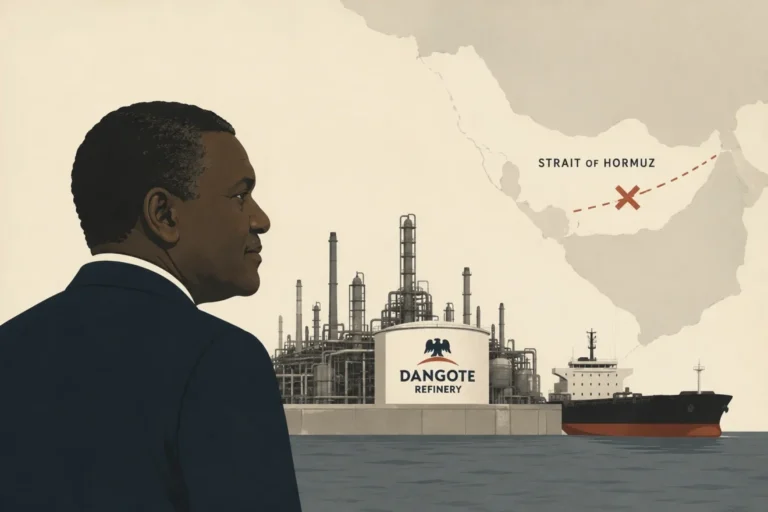
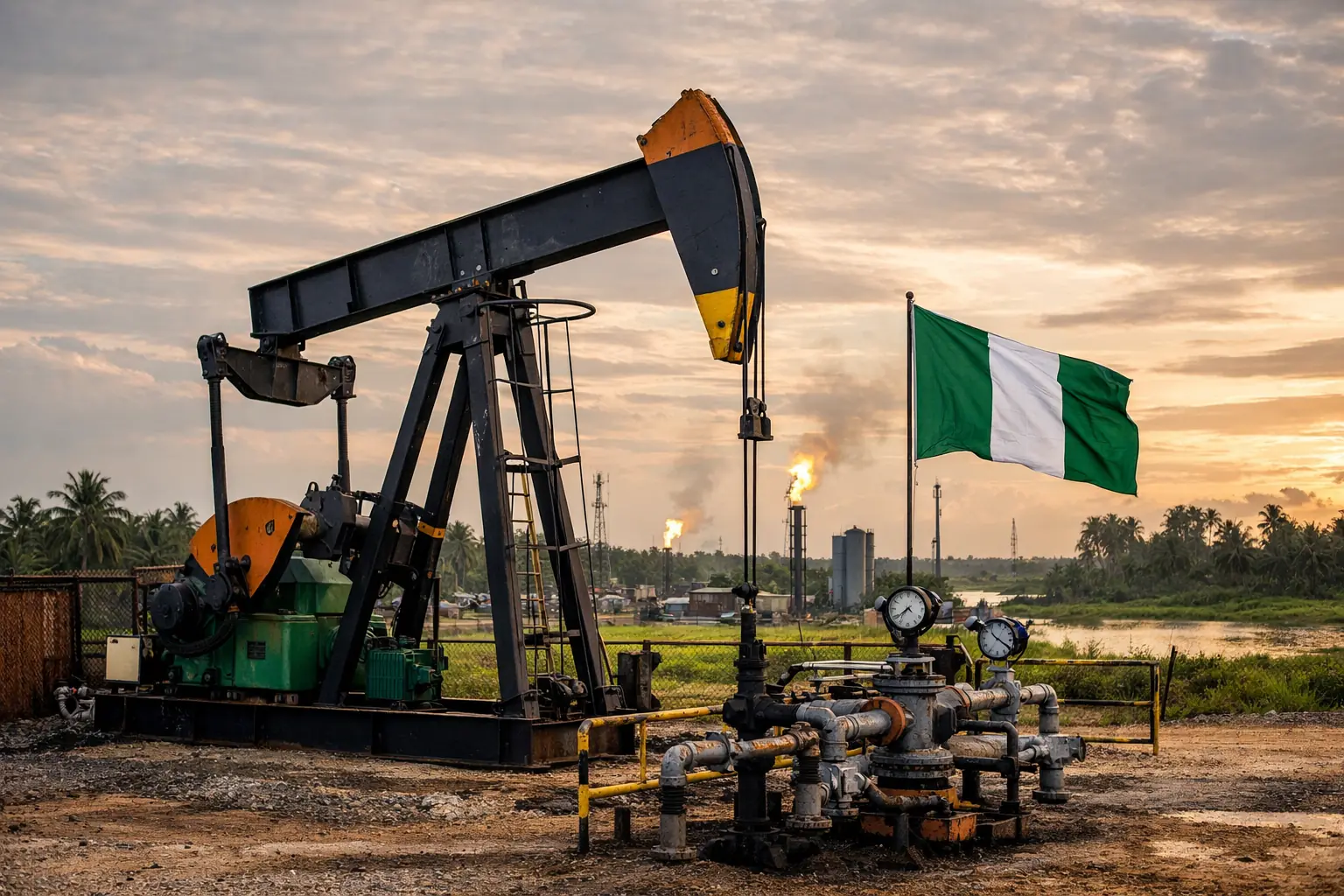
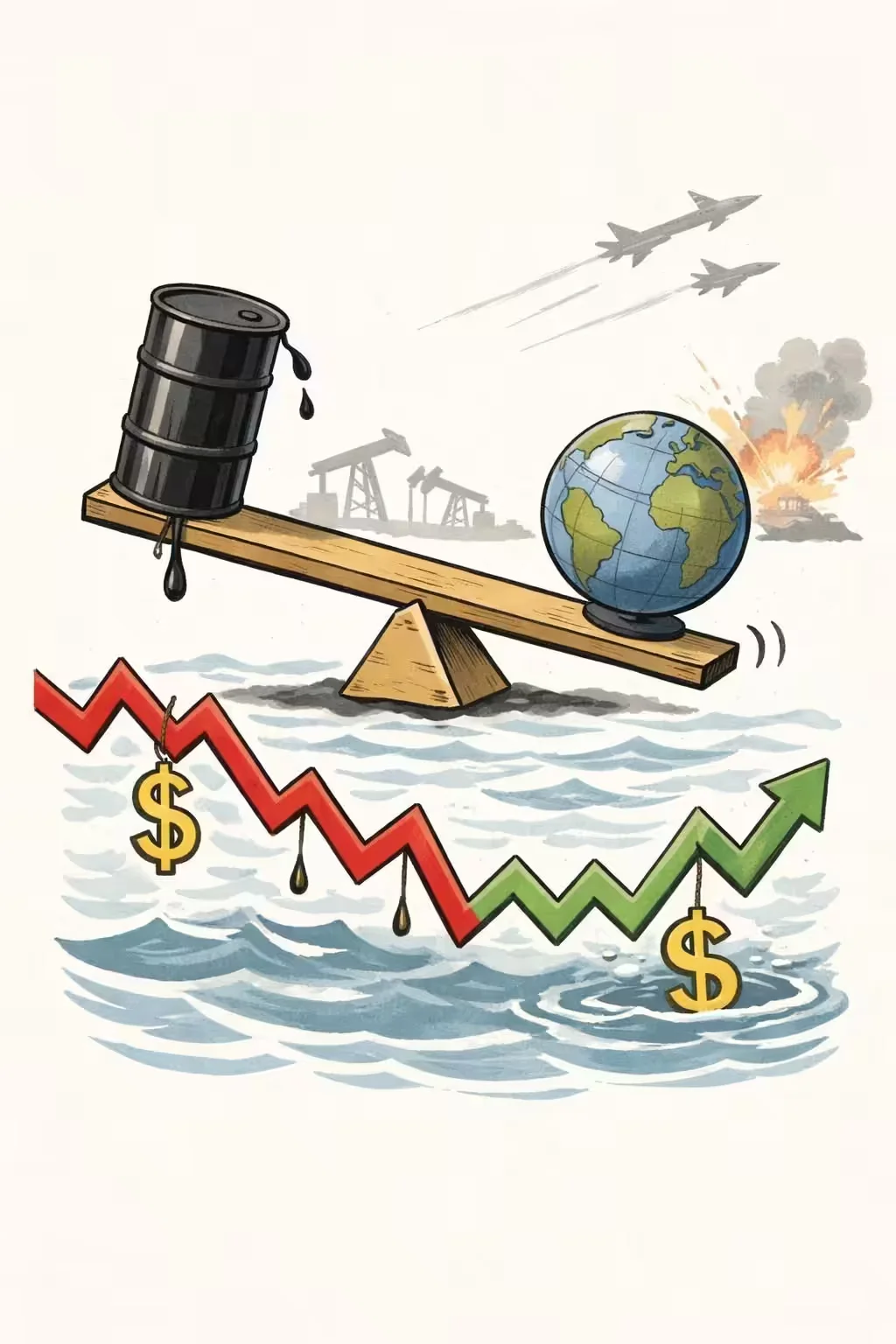
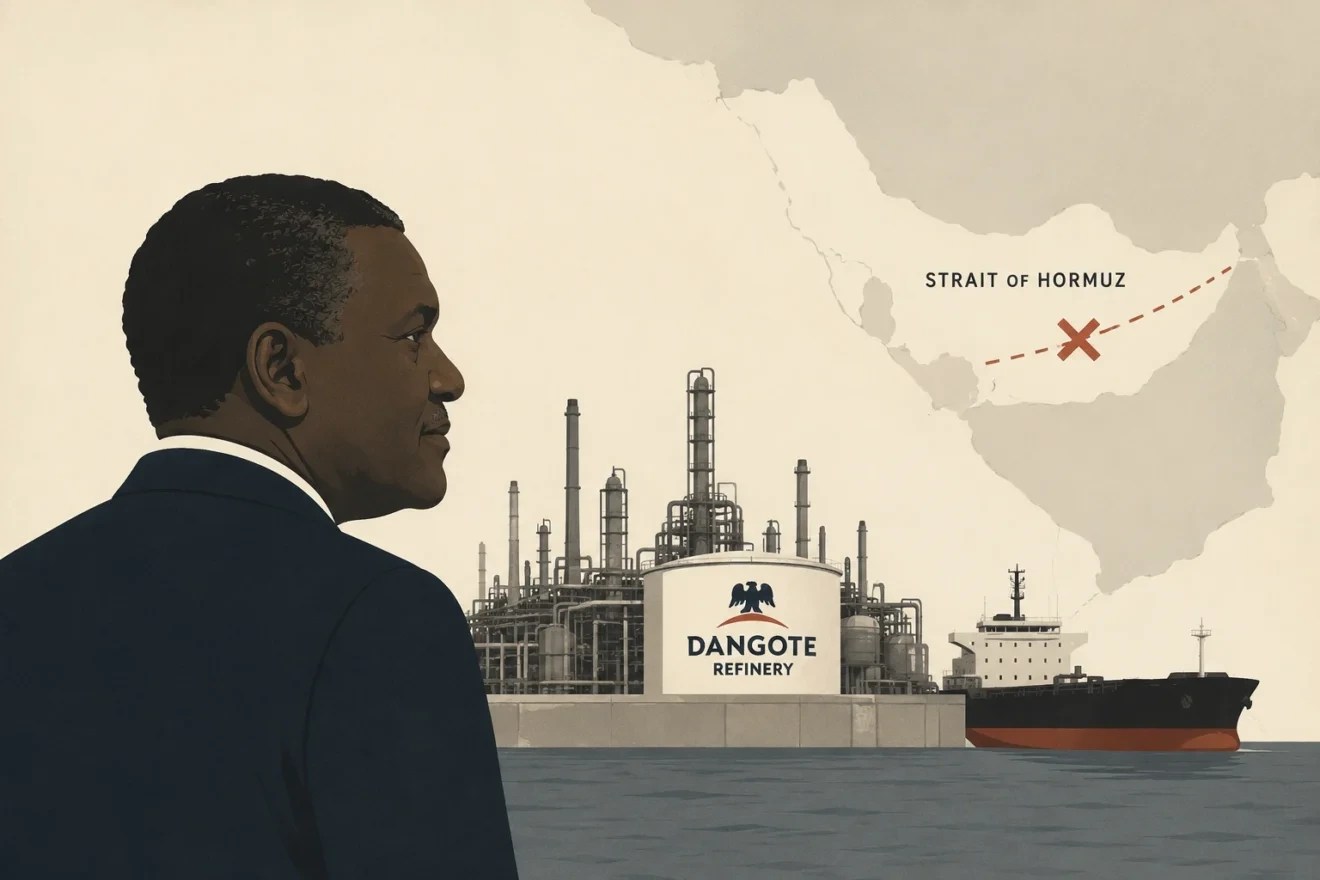
In 2026, however, the refinery became something else: a hedge against a global supply shock. The plant reached its full 650,000-barrel-a-day nameplate capacity in February, just before war between the United States and Iran disrupted the Strait of Hormuz and squeezed the flow of crude oil and refined products from the Gulf. A project built to replace Nigerian imports suddenly found itself selling into a world desperate for fuel that did not have to pass through the Middle East.
The timing transformed the refinery’s earnings prospects and, with them, the estimated value of the man who owns most of it. Bloomberg calculated in July that Dangote’s fortune had risen by about $4.86bn since the start of the year, to roughly $34.8bn. Other rich lists use different methods and produce lower figures, but the direction is not disputed: the refinery has become the biggest new source of value in the Dangote empire.
Also Read:
- Africa's Richest Man Aliko Dangote Loses $397 Million in a Day Following Dangote Cement…
- Aliko Dangote Appoints Daughters to Dangote Group Executive Roles
- Dangote Refinery to Expand Capacity to 1.4 million Barrels Per Day, Set to Become World's…
- Port Harcourt Refinery Cannot Compete With Dangote Refinery, Cost May Outweigh Benefits
That does not mean $5bn arrived in Dangote’s bank account. Billionaire rankings estimate what assets might be worth, then subtract debt. For a private company such as the refinery, the number moves when production rises, profits improve, investors pay a higher price for a stake or bankers attach a richer valuation to a proposed listing. The war did not hand Dangote cash. It persuaded markets that the refinery he had spent years struggling to complete was worth substantially more.
A Nigerian solution finds a global market
The refinery’s original logic was familiar. Nigeria exported crude oil and imported the petrol, diesel and aviation fuel made from it. Dangote had built his fortune by repeatedly attacking that kind of contradiction: import a basic product at scale, learn the market, build local production and eventually become the dominant supplier.
Sugar and cement followed that path. Refining was the most audacious version of it. The initial cost estimate was about $9bn; by the time the plant began operating, the bill had climbed beyond $20bn. A change of site, engineering problems, the collapse of the naira, the pandemic and global inflation all added to the expense. Dangote later said the project was the biggest risk of his life. At several points, financiers wondered whether it could pull the rest of the group down with it.
The risk was much greater than in cement. A cement producer can enjoy high transport costs and a protected home market. A refinery buys crude at prices set globally and sells products into a market where traders can redirect cargoes within days. Scale matters, but it does not guarantee profit. The plant needed reliable crude, high utilisation, efficient operations and customers beyond Nigeria.
By February, it had all four. In March, the refinery exported about 456,000 tonnes of petrol and other products to African markets including Ghana, Côte d’Ivoire, Cameroon, Togo and Tanzania. In April, shipment data showed it had become the world’s largest single-site exporter of jet fuel. By June, Nigeria shipped about 466,000 tonnes of aviation fuel to Europe — more than the United States supplied that month.
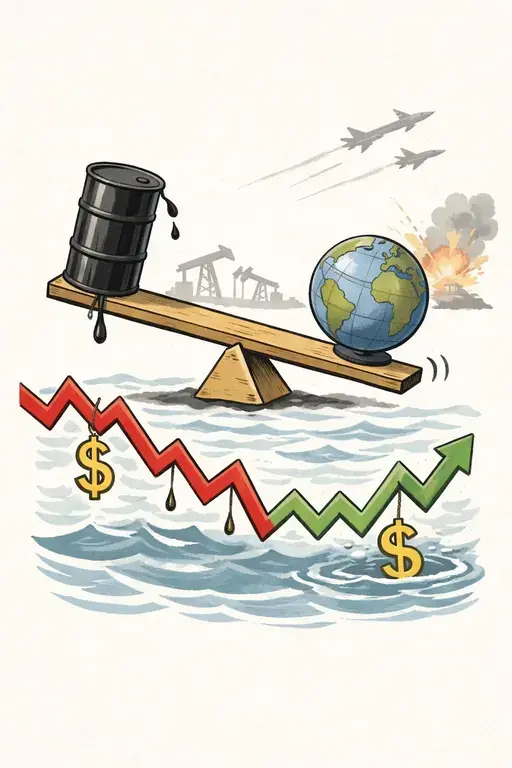
The war explains why those cargoes became unusually valuable. The disruption around Hormuz reduced Middle Eastern supply at the same time that refiners elsewhere had limited spare capacity. European airlines still needed fuel. Traders therefore paid more attention to a giant, newly operational refinery on the Atlantic coast of Africa.
The old Dangote playbook — with a new twist
There is a temptation to describe the refinery as merely the third act in a familiar Dangote story: sugar, cement and now fuel. That is only partly true.
The common thread is import substitution. Dangote looks for large African markets that consume essential products but rely heavily on imports. He then builds at a scale that lowers unit costs, invests in logistics and uses the cash flow from mature businesses to finance the next industrial bet. The group’s political access and ability to secure favourable policy treatment have also mattered, a point critics of the company are right to raise.
But the refinery goes beyond the old model. It is not simply replacing imports inside Nigeria. It is turning Nigeria into a base from which the group can compete in Atlantic fuel markets. That means Dangote is no longer being valued only as the owner of protected African consumer and building-materials businesses. Investors are beginning to value him as the controller of a globally significant energy asset.
The distinction matters. Dangote Cement made him Africa’s richest man. The refinery could make the gap between him and every other African billionaire much wider — provided the plant keeps running near capacity and can secure enough crude without surrendering its margins.
The IPO will put a price on the refinery
The clearest test will come when the refinery reaches the stock market. The group has discussed selling roughly 10 per cent of the business through an African listing, with estimates of the refinery’s value ranging from about $40bn to $50bn. At the upper end, even a modest share sale could raise several billion dollars.
The market has already offered a preview. In July, Dangote secured $2.5bn from investors for the refinery’s expansion in what the Financial Times described as Africa’s largest publicly disclosed private-equity placement. The offer was said to have been 3.7 times oversubscribed. The money is intended to help lift capacity from 650,000 barrels a day to 1.4m by 2028.
For Nigerian investors, however, excitement should not run ahead of the paperwork. The Securities and Exchange Commission warned in June that it had not yet received or approved an application for a public offer and ordered unauthorised marketing to stop. The IPO is a serious plan, but until the prospectus is filed and cleared, its valuation, timing and final structure remain proposals rather than settled facts.
When the filing arrives, it will do more than give Nigerians a chance to buy shares. It should reveal what the refinery earns, how much debt it carries, the terms of crude supply, the profitability of domestic sales versus exports and how much capital the expansion will consume. In other words, the IPO will turn a national industrial symbol into a company that public investors can examine line by line.
Dangote’s daughters step forward
The refinery listing is also becoming part of a quieter change inside the group: the emergence of Dangote’s three daughters as public representatives and operating executives of the business.
Fatima Aliko-Dangote now leads commercial operations across the group’s oil and gas businesses and sits on the refinery’s board. In a Bloomberg interview in Lagos last week, she disclosed that the group currently generates about $20bn in annual revenue and expects that figure to rise to $80bn within three years and $100bn by 2030. The expansion, she said, would require about $40bn of investment, to be financed partly through the refinery IPO and other capital-market transactions.
Mariya Aliko-Dangote, who joined the Dangote Cement board after her father stepped down as chairman, oversees commercial operations across the cement and food businesses. She has also begun explaining the group’s capital-market choices in public, recently saying that Dangote Cement preferred a secondary listing in London because it was more compatible with the business and quicker to execute than a Dubai listing.
Halima Aliko-Dangote runs the family office and the group’s international offices in Dubai and London, with responsibilities that include supporting capital raising and overseas expansion. The three sisters are therefore being positioned around the empire’s central tasks: energy, cement and food, and the management of family capital.
This is more than a succession story. Dangote is trying to convert a founder-led conglomerate into an institution capable of borrowing, listing companies and investing tens of billions of dollars after its founder is no longer making every major decision. The daughters’ growing visibility suggests they are being prepared not simply to inherit shares, but to explain strategy to investors and take responsibility for execution.
A windfall, not a guarantee
The war has improved the refinery’s fortunes, but it has not removed the risks. A lasting reopening of Gulf supply routes would reduce refining margins. Nigeria still does not produce enough easily available crude to satisfy the plant at full capacity without imports or difficult negotiations with NNPC. Exporting large volumes while Nigerians face high domestic fuel prices could also revive political pressure on the company.
Then there is the expansion itself. Doubling an already enormous refinery to 1.4m barrels a day will demand new crude supplies, storage, ships, pipelines and customers across Africa. The same appetite for scale that created Dangote’s wealth can destroy value when projects are late, overleveraged or badly timed.
Still, the lesson of 2026 is hard to miss. Dangote’s most important business advantage was not that he predicted a war in the Gulf. It was that, after a decade of delays and rising costs, he had finally created an asset large enough to benefit when the world changed. The war did not make Aliko Dangote. It arrived at the moment his biggest gamble was ready to be repriced.