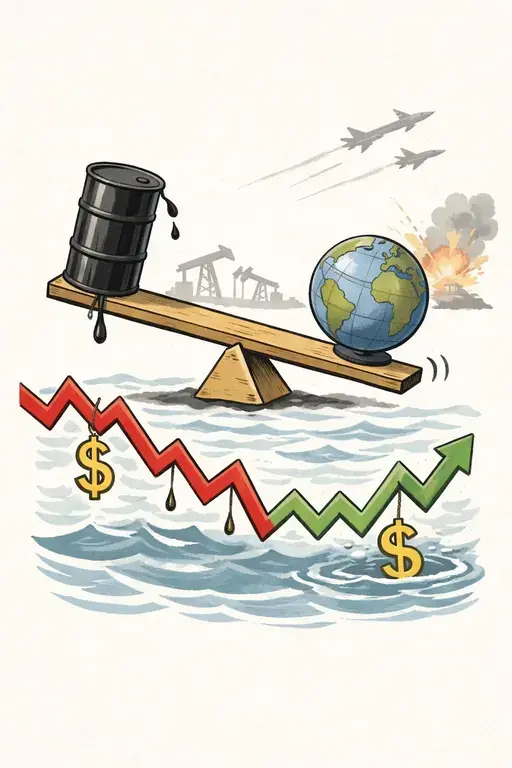
Oil prices climbed above $90 per barrel for the first time in more than a month on Monday after escalating military hostilities between the United States and Iran heightened concerns over the security of global energy supplies.
Brent crude, the international benchmark, rose about 2.4% to $90.25 per barrel, extending July’s rally to more than 23%, its strongest monthly gain since March.
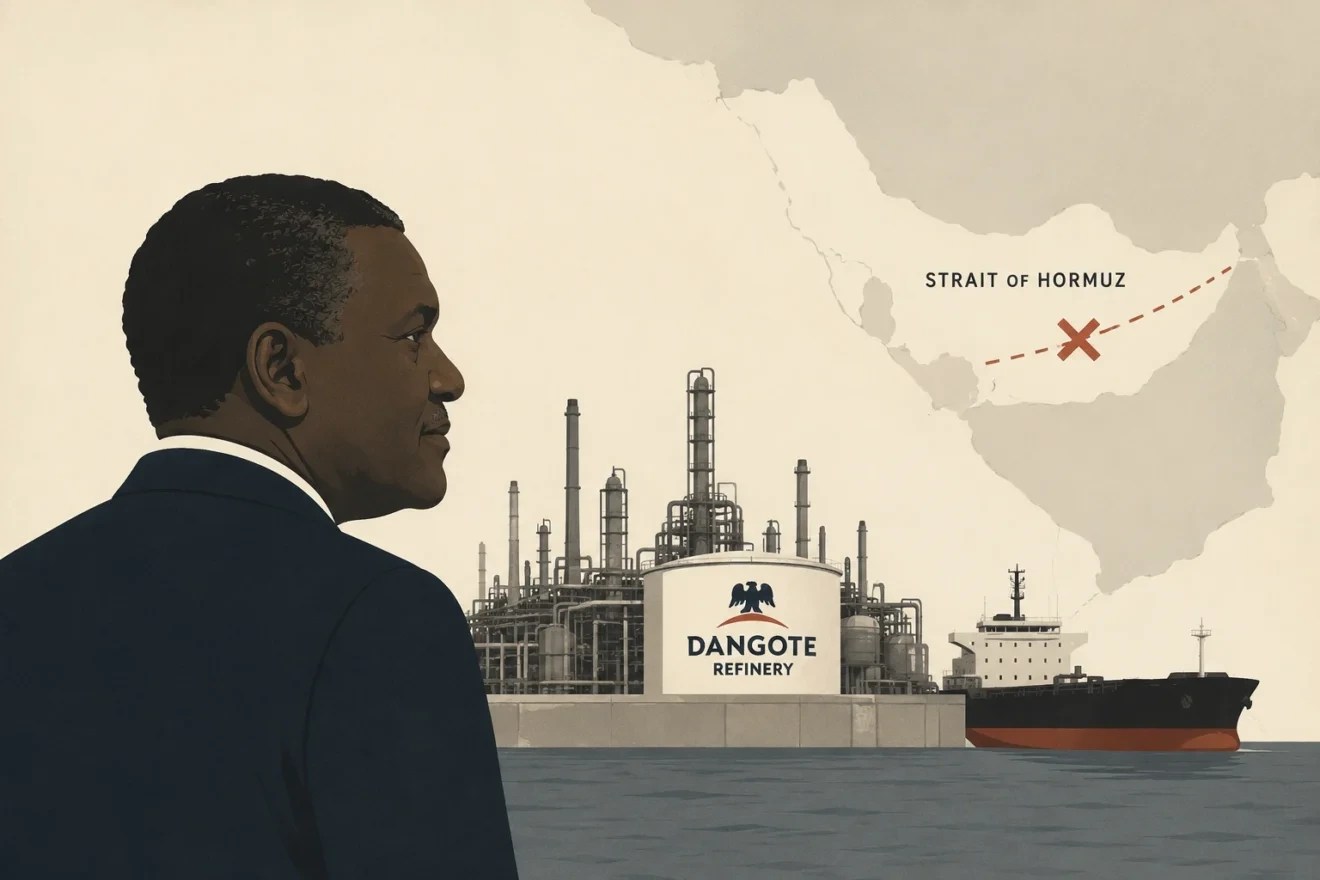
The sharp increase came after Iran reportedly attacked two oil tankers attempting to transit the Strait of Hormuz, while the United States launched another round of air strikes on Iranian military targets.
The latest escalation follows the collapse of a ceasefire agreement that had briefly eased tensions in the strategic waterway, which normally carries around one-fifth of the world’s oil and liquefied natural gas exports. Fighting has intensified in recent weeks, with both Washington and Tehran exchanging missile, drone and air strikes across the region.
According to Iran’s Revolutionary Guards (IRGC), two oil tankers were “blown up and brought to a halt” after attempting to navigate what it described as an “unauthorised” southern route through the Strait of Hormuz. The IRGC warned that oil, gas and fertiliser shipments would not be allowed to pass through the waterway while US military operations continue in the region.
US Secretary of State Marco Rubio said Washington remained open to diplomatic negotiations but insisted Iran must demonstrate genuine willingness to de-escalate.
The impact has been particularly significant for major energy importers. India’s central bank reportedly intervened in the foreign exchange market by selling US dollars to support the rupee, which has weakened amid rising concerns over higher crude import costs. India’s foreign exchange reserves have reportedly fallen by around $53 billion since the conflict intensified as authorities sought to stabilise the currency.