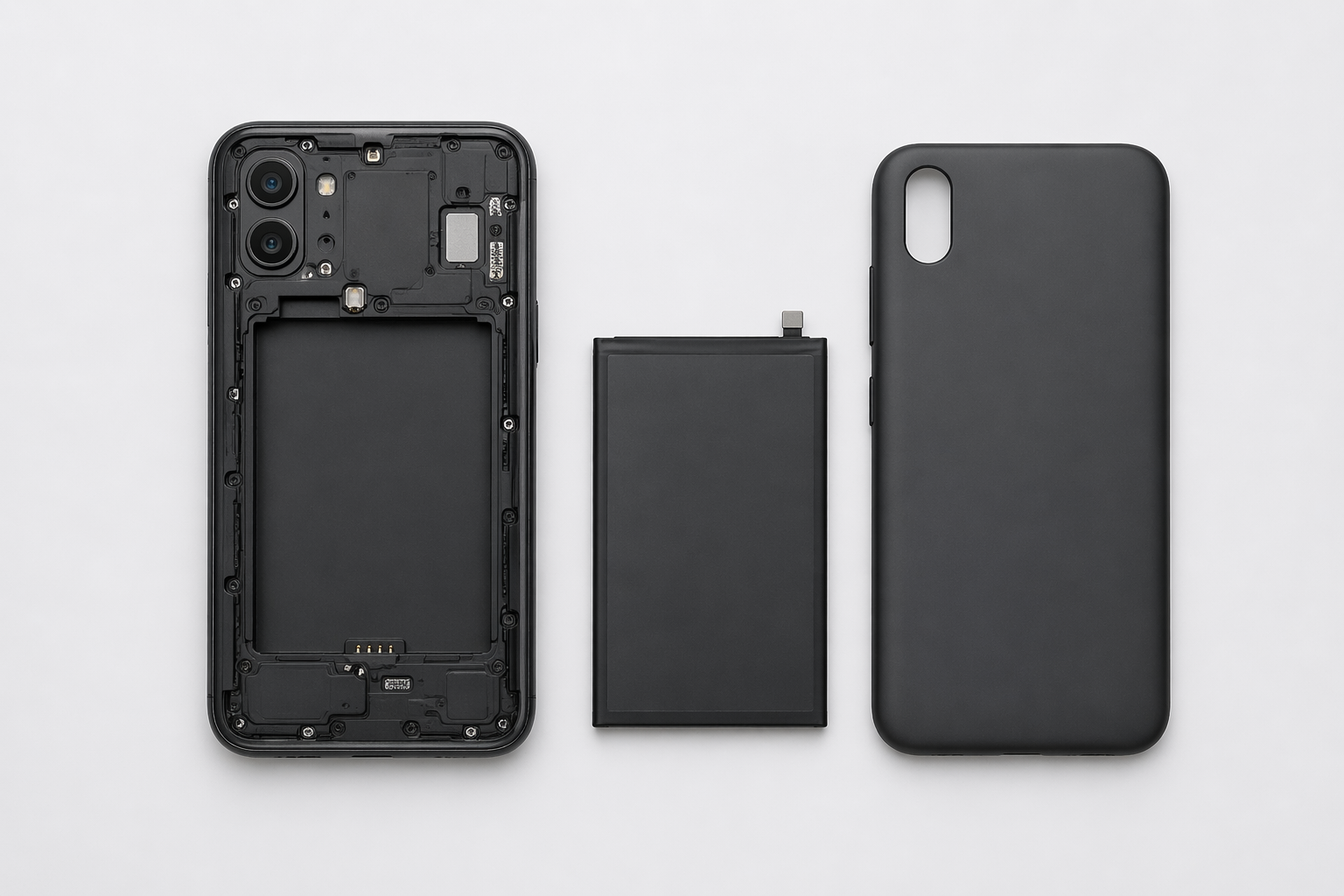
Under the European Union’s Batteries Regulation (EU) 2023/1542, smartphones and tablets sold within the EU will be required to feature batteries that users can remove and replace themselves starting February 18, 2027. The rule is part of a broader push by regulators to reduce electronic waste and make consumer electronics easier to repair and maintain.
The regulation targets one of the most common issues that shortens a phone’s lifespan: battery degradation. By making batteries easier to replace, regulators hope consumers will keep their devices longer instead of replacing them entirely.
What the New Rule Requires
The law states that portable electronic devices must allow batteries to be “readily removable and replaceable by the end user.” This means consumers should be able to swap out batteries without specialised tools or professional repair services.
In practice, the rule requires manufacturers to ensure:
- Batteries can be removed without damaging the device
- Replacement can be done using commercially available tools
- Consumers do not need technical training or repair centers
- Replacement batteries remain available for several years
While this doesn’t necessarily mean phones will return to the fully removable backs common in early smartphones, manufacturers must design devices so the battery can be easily replaced by the average user.
Why the EU Is Introducing the Rule
The regulation is part of the EU’s larger right-to-repair initiative, which aims to extend the lifespan of electronics and reduce the growing problem of e-waste.
According to the European Commission, batteries are one of the primary reasons consumers replace otherwise functional devices. Making them easier to replace could significantly extend the life of smartphones and tablets.
How It Could Impact Smartphone Design
Major smartphone manufacturers, including Apple, Samsung, and Google, may need to redesign future devices to comply with the regulation.

Although the rule only applies to devices sold in the European Union, global tech companies often adopt consistent designs across markets to simplify manufacturing. A similar situation occurred when EU regulations pushed the industry toward adopting USB-C charging ports, which eventually became the new global standard.
If manufacturers follow the same approach, the EU’s regulation could bring user-replaceable smartphone batteries back to devices worldwide, something many consumers haven’t seen in modern smartphones for nearly a decade.