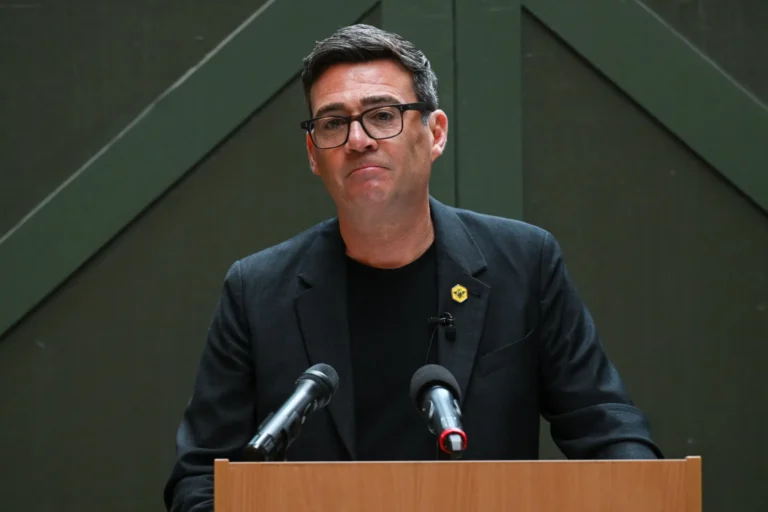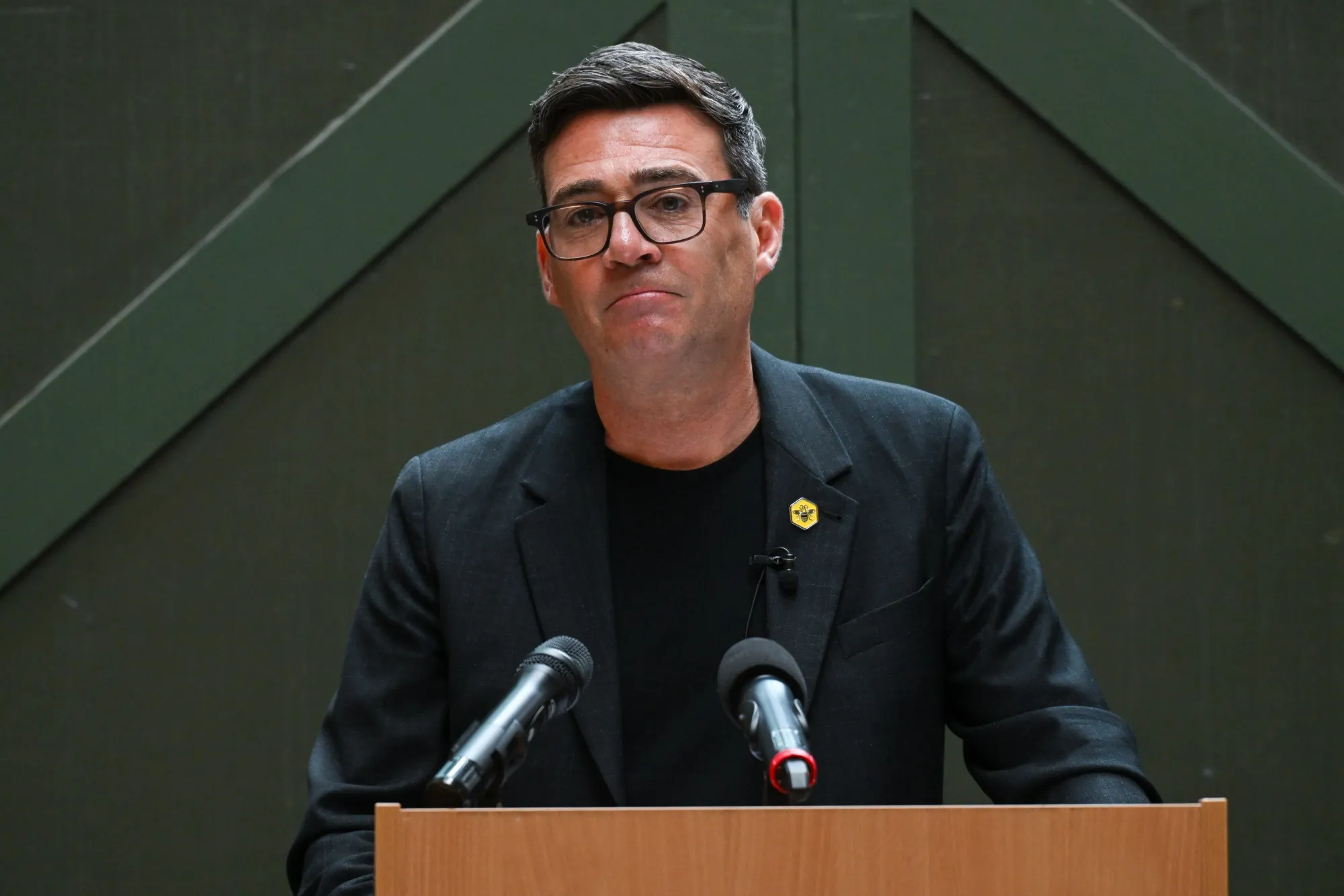
UK Prime Minister Andy Burnham has announced plans to begin the process of reforming the country’s electoral system, including a proposal to move away from the first-past-the-post voting system towards proportional representation.
Burnham made the announcement on Tuesday, September 29, 2026, during his first speech as Labour leader at the party’s annual conference in Liverpool.
He said Labour would seek to include a commitment to electoral reform in its manifesto for the next general election, expected in 2029, and announced plans for a national commission to examine possible changes to the voting system.
The proposed commission is expected to examine how the UK could change the system used to elect members of the House of Commons and build support for reform across political parties.
UK’s Current Electoral System
Under the current first-past-the-post system, voters choose a candidate in their constituency and the candidate with the most votes wins. A party generally needs at least 326 of the 650 seats in the House of Commons to command a majority.
Burnham has long supported replacing the system with proportional representation. In May, he said he wanted Labour’s next manifesto to contain a commitment to introduce a proportional system, although he also said the change should not be made before a general election without a prior manifesto commitment.
His latest announcement represents a move from expressing support for reform to establishing a formal process for considering how it could be implemented.
Burnham has previously argued that changes to the electoral system are necessary to make Parliament more representative. In his first conference speech as Labour leader, he linked the proposal to wider concerns about political instability and the changing relationship between voters and the traditional political parties.
The proposal follows growing discussion within Labour over electoral reform. In August, almost 100 Labour MPs backed an amendment calling for a national commission on changing the Westminster voting system. Burnham had previously indicated that electoral reform was a matter for a future Labour manifesto because the government would need a mandate for such a change.
Kemi Badenoch Reacts
Tory leader Kemi Badenoch swiftly rejected the proposal stating the PM was trying to return UK to the dark ages.
“Andy Burnham wants to take Britain back to the 1970s, a time of more government control, more trade union control and no economic growth. There is a reason our country took a different course after that decade.
“Nothing Burnham announced today will do anything to fix Britain’s long-term problems. He had no plan to fix our stagnant economy. No plan to fund defence. No plan to sort out the spiralling welfare bill, beyond more government schemes.
“His proposal to change the triple lock is already falling apart under scrutiny, and it won’t generate enough savings to fund a nationalised care system for another two decades, which means more tax rises are inevitable.
“Britain does not need to recreate the politics of the 1970s. It needs a government prepared to take the difficult decisions, back those who work and build businesses, and look confidently to the future.” She noted.
The UK last held a nationwide referendum on changing the voting system for Westminster elections in 2011. Voters rejected a proposal to replace first-past-the-post with the alternative vote system.

Burnham’s plan would therefore reopen a longstanding debate over how MPs are elected, with proportional representation potentially changing the relationship between the share of votes won by political parties and the number of parliamentary seats they receive.
The government’s proposed commission is expected to consider the options and seek wider political consensus before Labour makes a detailed commitment in its next election manifesto.