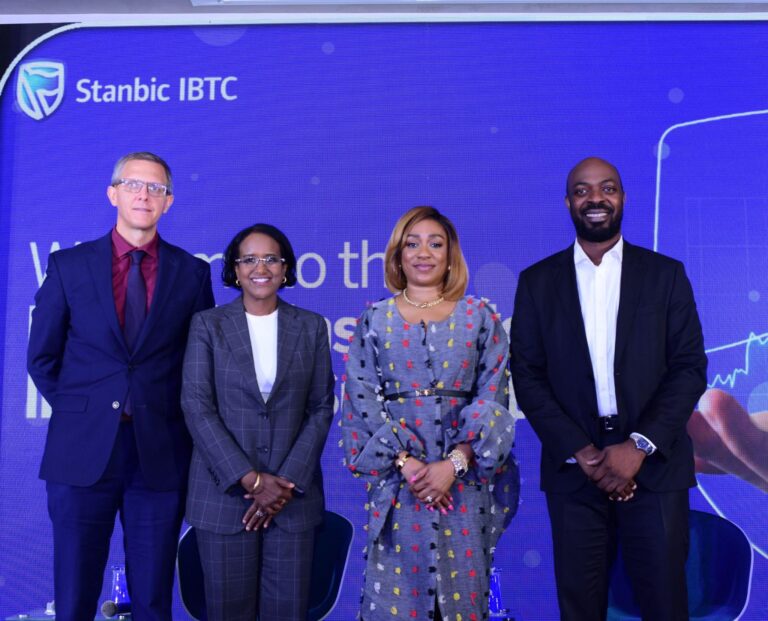
By Engr. Aliyu Yusuf Aboki, Executive Secretary, West Africa Telecommunications Regulators Assembly (WATRA)
As Africa moves from global commitments to implementation, recent continental discussions have reinforced an important shift in thinking. The World Summit on the Information Society (WSIS) Forum 2026 established a renewed vision for accelerating inclusive digital transformation under the WSIS+20 outcomes and Agenda 2063.
That conversation has since continued at the African Telecommunications Union (ATU) Plenipotentiary Conference in Abuja, where regulators and policymakers turned their attention to a practical question: how can Africa build stronger regulatory institutions capable of responding to increasingly complex and interconnected digital markets?
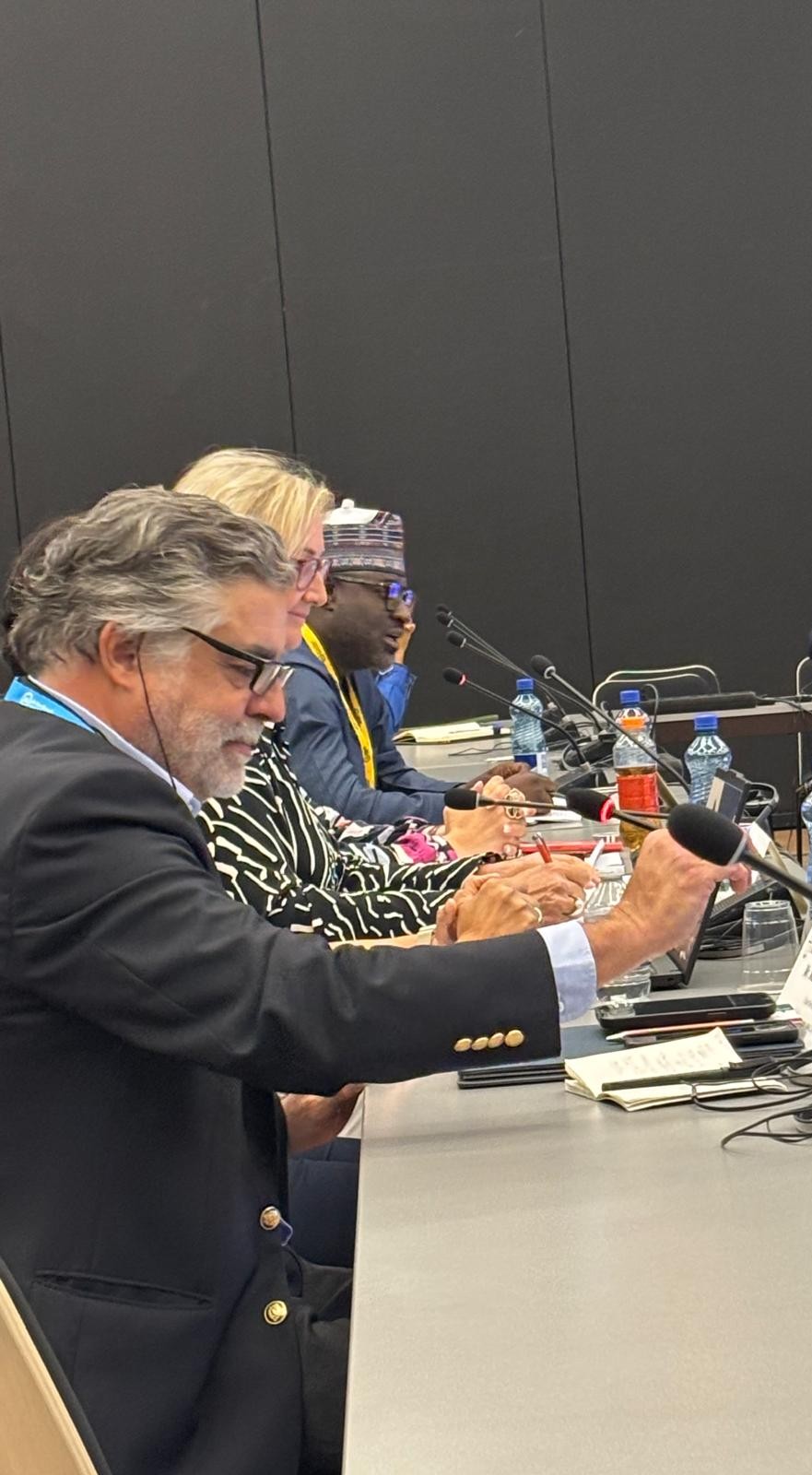
Across both forums, one message has been consistent. Expanding connectivity remains essential, but the next phase of Africa’s digital transformation will depend equally on strengthening regulatory capacity, improving the use of evidence in decision-making and deepening regional cooperation.
As digital technologies become embedded across every sector of society, institutions must be equipped not only to regulate today’s markets but also to anticipate tomorrow’s challenges.
Every time an African farmer receives a mobile payment, a truck crosses a border using digital customs systems, a nurse consults a specialist remotely, a student attends an online class, or an entrepreneur launches an online business, telecommunications is quietly powering an economic opportunity. It has become the invisible infrastructure that enables modern economies to function.
Today, mobile technologies and services contribute approximately US$240 billion to Africa’s economy, representing more than 8% of the continent’s GDP, while supporting millions of jobs directly and indirectly.
The sector’s impact extends far beyond mobile network operators. It sustains mobile money agents, device retailers, software developers, digital entrepreneurs, logistics providers, content creators and thousands of small businesses whose livelihoods depend on reliable connectivity. More importantly, it enables almost every sector of the economy to become more productive and inclusive.
For much of the past two decades, digital transformation has rightly focused on expanding network coverage and connecting communities. While these priorities remain essential, the continent has reached a point where connectivity alone is no longer enough. The next phase of Africa’s digital transformation will depend on whether we build institutions that can transform connectivity into inclusive economic opportunity.
Telecommunications Is No Longer Just an ICT Issue
The digital economy is no longer confined to the ICT sector. Recent discussions among African regulators have increasingly recognised that this broader economic role also requires a new approach to regulation, one that is informed by timely data, cross-border cooperation and a better understanding of how networks perform for the people who depend on them. Hence, the digital economy is the platform upon which every other sector increasingly depends.
Healthcare is expanding through telemedicine, electronic health records and digital disease surveillance. Education is reaching learners through online platforms and digital classrooms. Agriculture is becoming more resilient through weather forecasting, digital extension services and access to market information.
Manufacturers rely on connected supply chains, while Financial services continue to deepen inclusion through mobile money and digital payments. Governments are digitising public services, making them more efficient, transparent and accessible.
Even Africa’s electrification agenda is becoming increasingly dependent on digital infrastructure. Smart grids, renewable energy systems, remote monitoring, smart metering and rural electrification projects all require reliable telecommunications networks. As Africa accelerates investments in clean energy and industrialisation, digital infrastructure and energy infrastructure must increasingly be planned together rather than separately.
Africa’s Digital Economy Presents One of the World’s Greatest Investment Opportunities. Home to the world’s youngest population, a rapidly expanding middle class and increasing demand for digital services, the continent is well positioned to become one of the fastest-growing digital markets globally.
Realising that opportunity, however, will require significant investment. Industry estimates suggest that approximately US$77 billion will be needed over the coming years to expand broadband infrastructure, modernise networks, strengthen fibre connectivity, deploy 4G and 5G, develop data centres and integrate emerging technologies such as satellite communications. Much of this investment is expected to be concentrated in Sub-Saharan Africa, where demand for digital services continues to accelerate.
For more than two decades, mobile operators have been among Africa’s largest long-term private investors. They have financed towers, fibre networks, international connectivity and increasingly advanced mobile technologies, often investing in areas where commercial returns take many years to materialise.
Maintaining this momentum requires predictable, transparent and investment-friendly regulatory environments. Investors seek confidence that markets will remain competitive, spectrum will be managed efficiently, regulations will evolve with technology and institutions will provide consistency over time. Strong regulatory institutions therefore become not only a governance imperative but an economic one.
The Next Digital Divide Is the Usage Gap
Across much of the continent, mobile broadband networks now reach the majority of the population. Yet connectivity alone does not guarantee participation in the digital economy. Nearly 790 million people across Sub-Saharan Africa live within broadband coverage but still do not use mobile internet.
The reasons are well known: smartphones remain unaffordable for many households, devices are inaccessible, digital literacy remains uneven and locally relevant digital services are still developing. In many markets, the usage gap has become far larger than the remaining coverage gap.
Closing this usage gap requires moving beyond traditional telecommunications policy. Affordable devices, innovative financing models, digital skills programmes, local digital content and inclusive public policies must become part of the digital infrastructure agenda.
Therefore, access to coverage alone does not guarantee meaningful participation in the digital economy. A community may appear fully connected on a coverage map while still experiencing dropped calls, slow internet speeds, network congestion, unreliable electricity or digital services that fail to meet local needs. Meaningful connectivity therefore depends not only on availability, but also on the quality and reliability of the user experience.
Meaningful connectivity is no longer measured simply by whether a network exists. It is measured by whether people can use digital technologies to improve their livelihoods, access education, receive healthcare, build businesses and participate fully in the digital economy.
Preparing Africa for the AI Economy
Artificial intelligence represents perhaps the most significant technological shift of our generation. It has enormous potential to improve healthcare, agriculture, education, financial services, disaster response and public administration. At the same time, it presents new regulatory questions around data governance, cybersecurity, consumer protection, ethics and competition.
Africa has an opportunity to participate not only as a consumer of AI technologies but as a contributor to their development. Ensuring that African languages, cultures and knowledge systems are represented within large language models is essential if AI is to serve the continent’s diverse societies effectively. Likewise, creating enabling regulatory environments that encourage innovation while safeguarding citizens will determine how successfully Africa harnesses AI for inclusive development.
Preparing for this future requires institutions that can anticipate technological change rather than simply react to it.
Building Smarter Regulation Through Better Intelligence
As Africa’s communications markets become more interconnected, regulators also need better intelligence about how those markets are performing. Timely information, comparable indicators and modern monitoring tools enable regulators to identify emerging risks earlier, strengthen consumer protection and respond more effectively to disruptions.
Equally important is the ability to learn from one another. When regulators share evidence, implementation experiences and successful policy approaches, countries can adapt proven solutions rather than starting from scratch. Better regulatory intelligence ultimately leads to better regulatory decisions.
Learning Together, Growing Together
Across West, East, Central and Southern Africa, regulators are confronting remarkably similar challenges: managing spectrum, strengthening cybersecurity, regulating satellite services, promoting consumer protection, expanding meaningful connectivity and preparing for AI-enabled economies.
Rather than solving these challenges independently, countries can accelerate progress by learning from one another.
This is precisely the philosophy underpinning the ICT Policy and Regulation –Institutional Strengthening (iPRIS) initiative. Since 2023, iPRIS has brought together African and European regulatory authorities through peer-to-peer learning, creating practical platforms where regulators exchange experience, develop strategic projects and strengthen institutional capacity.
By progressively expanding its programmes in English, French and, from 2027, Portuguese, iPRIS is helping ensure that knowledge moves across linguistic boundaries, allowing successful regulatory practices to benefit countries throughout the continent. Diversity, equity and inclusion are also integrated throughout the programme, ensuring that digital transformation reflects the needs of all communities.
Regional Cooperation Delivers Results
Regional telecom regulatory organisations across Africa also have an increasingly important role in building integrated digital markets. At WATRA, we have witnessed how cooperation among regulators across ECOWAS member states can translate into tangible benefits for citizens and businesses.
Working closely with ECOWAS, national regulatory authorities and development partners, WATRA has supported initiatives such as the ECOWAS Free Roaming Initiative, which is reducing communication barriers, lowering the cost of staying connected across borders and facilitating regional trade and mobility.
Recent progress involving Benin, Senegal and Togo demonstrates how regulatory cooperation can directly improve the everyday experiences of citizens while strengthening regional integration.
Recent discussions within the ATU have also highlighted the growing importance of common regulatory indicators and stronger mechanisms for sharing information across borders. Developing comparable approaches to measuring quality of service, affordability, resilience and meaningful connectivity will help regulators better understand regional trends while supporting more coordinated policy responses.
Building Africa’s Digital Future Together
Africa’s digital transformation is entering a defining decade. The continent has the talent, the entrepreneurial energy, the growing digital markets and the investment potential to become a leading force in the global digital economy. Realising that ambition will require continued investment in infrastructure, but equally in the institutions that govern it.
Finally, multi-stakeholder collaboration will be the catalyst that turns ambition into impact. Governments, regulators, telecommunications operators, regional organisations, development partners, technology companies, academia and civil society all have a role to play in building an inclusive digital future.
By aligning investment, policy, innovation and institutional capacity, Africa can accelerate meaningful connectivity, expand digital opportunities and ensure that no community is left behind.
The continent’s greatest digital asset will not simply be its fibre networks, towers, satellites or data centres. It will be the strength of the institutions and partnerships that transform connectivity into opportunity, innovation into prosperity and technology into sustainable, inclusive development.

The momentum generated through WSIS+20 and reinforced during the recent ATU Plenipotentiary Conference demonstrates that Africa is entering a new phase of digital development. The challenge is no longer defining our ambitions; it is implementing them.
That will require continued investment in infrastructure, stronger institutions, smarter regulation, better evidence and deeper collaboration among governments, regulators, industry and development partners. By working together and learning from one another, Africa can build a digital future that is more resilient, more inclusive and better equipped to deliver opportunities for every citizen.