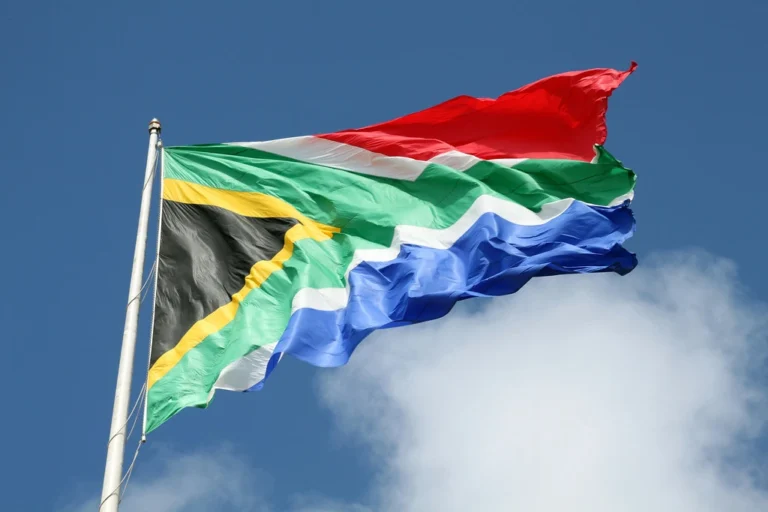
The United States has imposed visa restrictions on South African officials and other individuals it accuses of supporting policies Washington says discriminate against the country’s white minority, opening another front in an increasingly strained relationship between the two countries.
US Secretary of State Marco Rubio announced the restrictions on Tuesday, saying the measures would target people involved in what the administration described as “race-based discrimination”, incitement of violence or efforts to facilitate land confiscation without compensation.
Rubio did not identify the individuals affected by the restrictions.
The move marks the latest escalation in a dispute that has expanded from arguments over South Africa’s domestic racial and land policies into wider diplomatic, trade and immigration tensions between Pretoria and Washington.
Why the US is targeting South Africa
The Trump administration has repeatedly accused South Africa of failing to adequately address what Washington characterises as discrimination against Afrikaners, descendants of predominantly Dutch and French settlers who form part of the country’s white minority.
South African authorities have rejected the allegations, particularly claims that white South Africans are being systematically persecuted or face a campaign of racial violence.
The dispute has focused heavily on South Africa’s land reform programme.
The country adopted legislation allowing the state, under specified circumstances, to expropriate property in the public interest without compensation. The law has become a major point of contention because Washington argues that it could facilitate discriminatory land seizures.
Pretoria says the legislation is intended to address the economic and land inequalities created during apartheid, when the Black majority was systematically excluded from land ownership and other economic opportunities.
The law does not provide for indiscriminate seizure of private property. Authorities are required to attempt to reach agreement with affected owners, while disputes can be challenged through the courts.
Land ownership remains one of South Africa’s most politically sensitive issues more than three decades after apartheid ended.
From diplomatic dispute to immigration policy
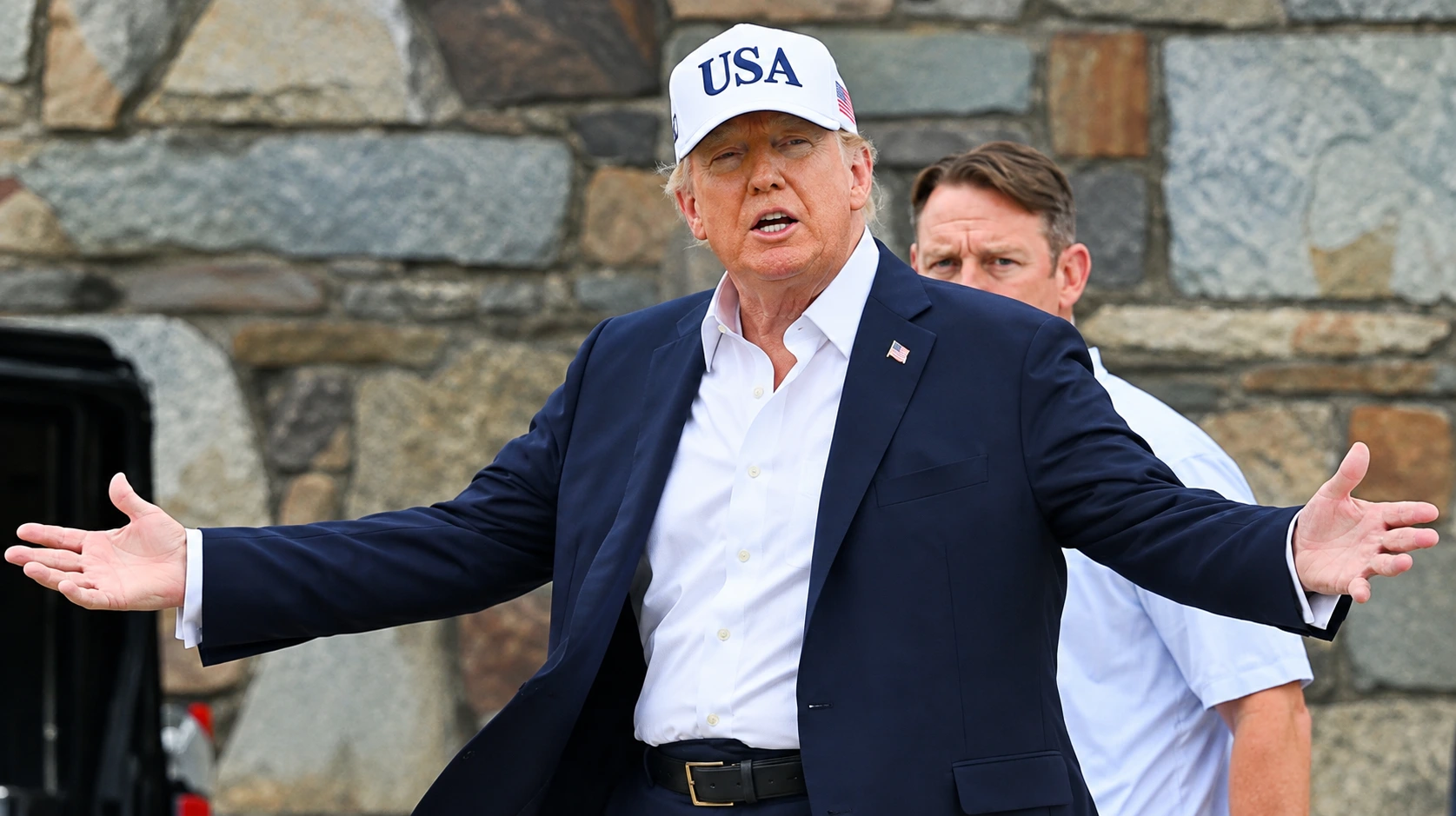
The disagreement intensified after Donald Trump returned to the White House.
His administration cut US assistance to South Africa, expelled the country’s ambassador and introduced a refugee pathway for Afrikaners who claimed they were facing racial discrimination.
In 2025, groups of white South Africans were resettled in the United States under the programme.
South African President Cyril Ramaphosa has dismissed the narrative of white persecution and argued that those leaving the country are responding to political and social disagreements over how South Africa should address the legacy of apartheid.
South African authorities have also disputed claims that the country is experiencing a campaign of genocide against white farmers.
The issue has nevertheless remained central to Trump’s criticism of Pretoria.
Ramaphosa’s efforts to repair ties
The diplomatic relationship has not been without attempts at reconciliation.
Ramaphosa travelled to Washington in May in an effort to ease tensions, taking a delegation that included members of South Africa’s coalition government as well as prominent white South Africans.
The meeting, however, failed to settle the dispute.
Trump again raised allegations of violence against white farmers during the encounter, claims that have been challenged by South African authorities and other observers.
Pretoria has continued to reject the genocide narrative and maintains that its land reform policies are aimed at correcting historical inequalities rather than targeting white South Africans.
Trade tensions add pressure
The visa restrictions come after the US also imposed a 30% tariff on South African exports to the United States in August.
That tariff is particularly significant because South Africa is Africa’s largest economy and relies on access to major international markets for sectors including agriculture, mining and manufacturing.
The latest restrictions therefore add immigration and diplomatic pressure to an already broader economic dispute.
The US Embassy in Pretoria said Washington had reached the conclusion that its attempts at dialogue with South Africa had not produced the desired response.
The embassy described the visa restrictions as an initial measure and indicated that additional actions could follow.
South Africa had not publicly responded to the latest restrictions at the time of the announcement.
What the visa restrictions mean
The restrictions were imposed under a provision of US immigration law that gives the secretary of state authority to deny entry to foreign nationals whose presence in the United States is considered contrary to US foreign-policy interests.
Unlike a blanket travel ban on South Africans, the measure is targeted at individuals whom Washington identifies as responsible for conduct it considers unacceptable.
The immediate identities and number of people affected remain unclear.
The significance of the announcement therefore extends beyond the individuals directly affected: it signals that the disagreement between Washington and Pretoria has moved further into the use of immigration restrictions as a diplomatic tool.
For South Africa, the dispute now spans land reform, racial policy, refugee policy, trade and diplomatic relations with one of its major international partners.
For the United States, the restrictions represent another attempt by the Trump administration to pressure Pretoria over policies it regards as discriminatory.
The two governments now face a relationship in which disagreements that once centred mainly on domestic South African policy have increasingly become a broader dispute over trade, foreign policy and the conditions of their bilateral relationship.