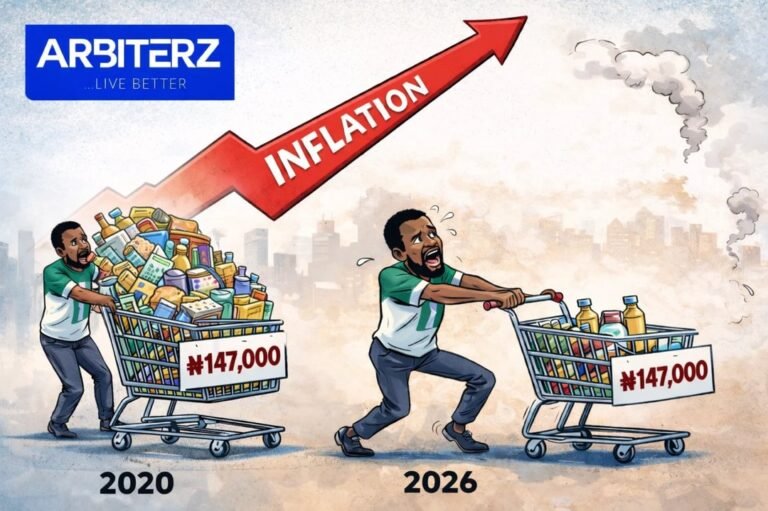
Nigeria’s headline inflation rate eased to 15.39% in August 2026, from 15.43% in July, according to the National Bureau of Statistics (NBS). The latest figure represents a 0.04 percentage-point decline from the July rate.
However, inflation remained significantly below the 23.14% recorded in August 2025, reflecting a 7.75 percentage-point decline year-on-year.
“In August 2026, the Headline inflation rate stood at 15.39%, down from 15.43% in July 2026 and stood at 23.14% in the same month of the preceding year (August 2025),” the NBS said.
“Looking at the movement, the August 2026 Headline inflation rate showed a decrease of 0.04% compared to the July 2026 Headline inflation rate,” it added.
On a month-on-month basis, price pressures eased more significantly. The inflation rate slowed to 0.71% in August from 1.57% in July, indicating a sharp reduction in the pace at which prices increased during the month.
The Consumer Price Index, which measures changes in the prices of goods and services consumed by households, increased to 146.30 points in August from 145.30 points in July.
The moderation in inflation comes against the backdrop of greater relative stability in the foreign-exchange market and easing price pressures across some categories of consumer goods and services.
The latest inflation reading also suggests that the pace of price increases has continued to slow from the significantly higher levels recorded a year earlier. However, the headline rate remains elevated, meaning households and businesses continue to face higher prices even as the rate of increase moderates.

The sharper slowdown in month-on-month inflation is particularly significant because it provides an indication of more immediate price movements. The decline from 1.57% in July to 0.71% in August suggests that the intensity of monthly price increases more than halved during the period.
The continued moderation will be closely watched by policymakers, businesses and consumers, particularly as inflation remains one of the major factors influencing household purchasing power, business costs and monetary policy decisions.