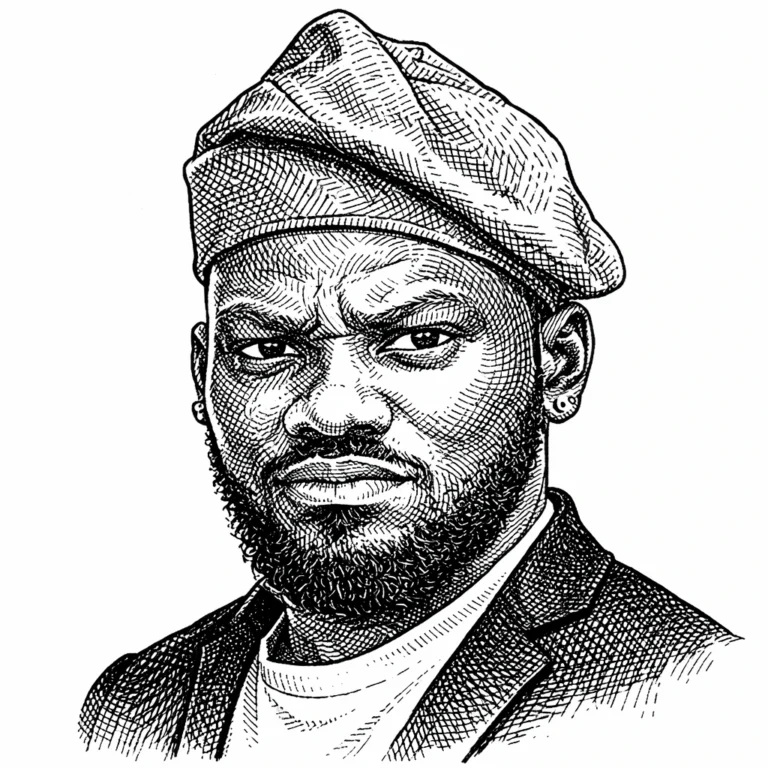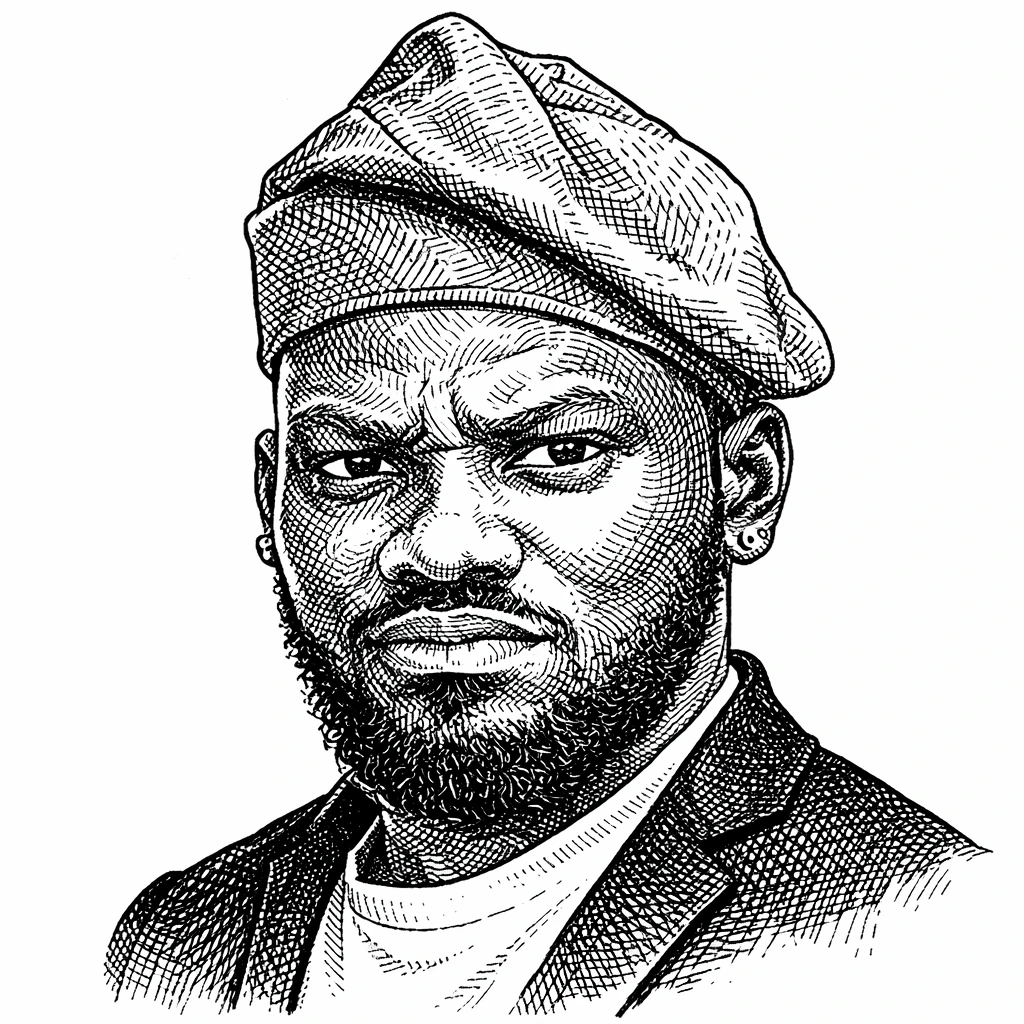
Nigerian journalist David Hundeyin has questioned the commercial rationale behind Uber’s 12-year presence in Nigeria, arguing that the ride-hailing company’s business model was effectively a form of data mining.
Hundeyin argued the model was fundamentally unsuited to the country’s highly price-sensitive transport market.
Hundeyin’s comments follow Uber’s decision to end its operations in Nigeria on September 2, 2026, after 12 years in the country. Uber said it had taken the decision following a “thorough review” of its business but did not disclose specific reasons for the withdrawal. The company also announced its exit from Uganda.
Uber’s Strange Model
According to Hundeyin, Uber’s conventional strategy of subsidising rides to build market share and eventually increase prices could not work effectively in Nigeria because the company was not competing only with traditional taxis.
“For the record, Uber never made or intended to make money in Nigeria,” Hundeyin said, arguing that anyone familiar with Uber’s core business model would have recognised the problem as far back as 2015.
He described Uber’s model as one in which the company enters a market, prices below existing taxi operators and uses venture-capital funding to absorb losses while attempting to displace competitors.
“Uber’s business model is to enter a market, set its fares well below those of the existing traditional taxis, burn VC money to absorb the losses while driving taxis out of the market, then raise prices after it becomes a monopoly,” he said.
Hundeyin argued that the strategy requires a sufficiently large middle-income customer base—people who do not own cars or employ personal drivers but have enough disposable income to regularly use private transport.
“People above it who own their own cars and/or have their own personal driver don’t need a ride hailing service, and the vast majority below it who don’t, generally aren’t willing to pay even the VC-subsidised ‘cheap’ fares because what is considered ‘cheap’ in San Francisco is definitely not cheap in Bariga,” he said.
“In the ideal market, Uber is only competing against the traditional taxi,” he said. “In the extremely price-sensitive environment of Nigeria, the opportunity cost of taking an Uber in the minds of the addressable market is the cost savings one can make from taking a danfo, BRT bus, korope, keke, okada, or even literally walking instead.
“All the VC dollars in the world cannot subsidise a trip made in a low-capacity, air-conditioned, 4-wheeled car into ever becoming cheaper than a bus or rickshaw trip over the same distance,” he said.
Drivers and Vehicle Economics
Hundeyin also questioned the economics of Uber from the perspective of drivers and vehicle owners.
He described the platform as operating in a manner that depended on a continuing inflow of new drivers and vehicles to replace those leaving the platform.
“Uber is known to operate like a pyramid scheme,” he said, arguing that the platform depends on “a constant stream of new drivers and cars being onboarded onto the platform to replace the drivers and car owners who drop out in vast numbers everyday.”
He attributed driver attrition to the cost of fuel, vehicle maintenance and depreciation.
“The best one can do with it (as I did for 3 months in 2016) is just use it to temporarily get by—but the fuel costs will eat nearly half of whatever you make, the repairs will be expensive and incessant, and your car will be transformed into a pile of moving metal trash with next to no resale value,” he said.
Uber drivers in Nigeria have in fact repeatedly raised concerns about fares, commissions and working conditions. TheCable reported that drivers protested against issues including fares, commission rates and treatment by the company in 2017, 2023 and 2025.
Data Mining Allegation
Hundeyin alleges data, rather than ride-hailing, was the real business. “There was no real business case for Uber Nigeria,” he said.
Hundeyin argued that the company’s continued presence was not primarily about ride-hailing but about data.
“The real reason it stayed another 11 years after the entire initial set of drivers and car owners pulled out citing everything I just said, is that its real business in Nigeria was not ride hailing, but data gathering,” he alleged.
He further linked Uber to what he described as the wider US military-industrial complex and alleged that US intelligence agencies could use ride-hailing platforms as sources of information about people’s movements and relationships.
“Edward Snowden’s leaked files already showed us that the American NSA uses Uber, Lyft etc as its ‘God’s Eye’ system,” Hundeyin claimed.

He alleged that such access could potentially provide governments with information about where people travel, the routes they use, their social relationships and other behavioural patterns.
However, these claims were not substantiated by evidence accompanying the argument, and Uber has not said that data gathering or any US government contract was the reason for its Nigerian exit.