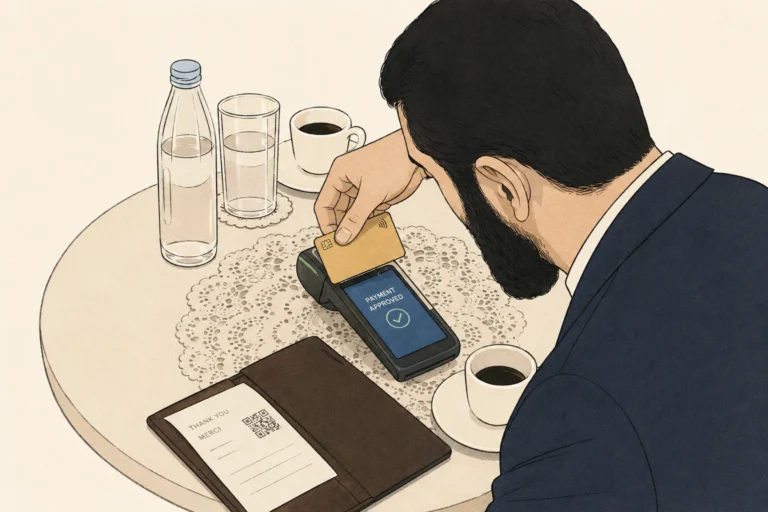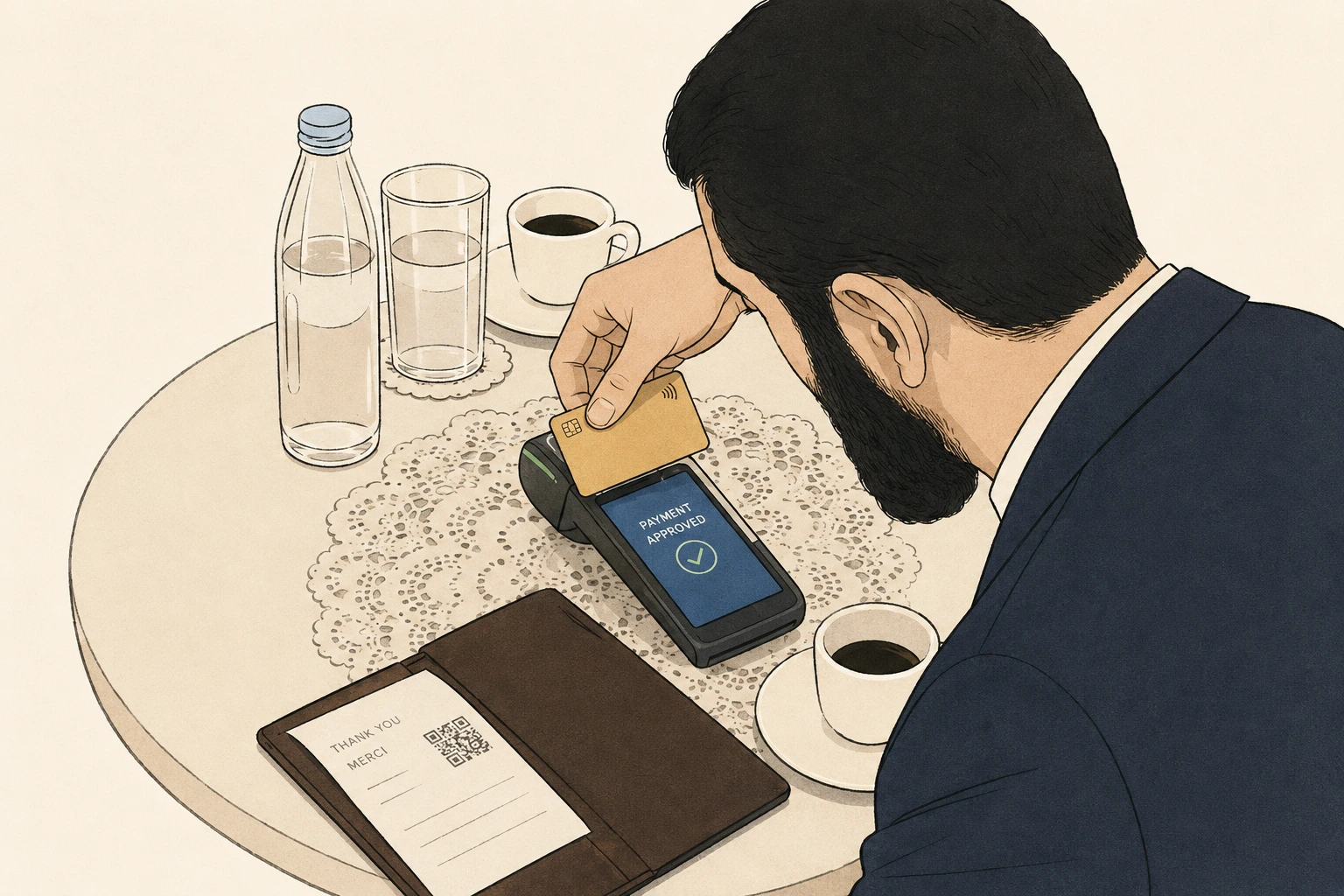
Syrian President Ahmed al-Sharaa used a Visa card to make a payment in Damascus, turning an otherwise routine transaction into a public demonstration of Syria’s attempt to reconnect with the global financial system.
The payment came a day after the United States removed Syria from its list of state sponsors of terrorism, ending a designation that had been in place since December 1979. The decision removes one of the additional layers of US restrictions that had complicated Syria’s access to international finance.
Al-Sharaa described the change as the beginning of a new phase for Syria’s reconstruction and development. For his government, the return of international payment services offers something more tangible than diplomatic symbolism: a route toward normalising commerce.
Why Syria Was Cut Off From Global Banking
Syria’s financial isolation developed over decades but intensified sharply after the outbreak of the civil war in 2011.
US and European sanctions restricted transactions involving the Syrian government, banks and other parts of the economy. International banks became increasingly cautious about dealing with Syrian institutions because of sanctions exposure and compliance risks.
The result was an economy in which cash remained disproportionately important while formal banking and electronic payment systems lagged behind those in neighbouring countries.
The US terrorism designation was only one component of that isolation, but its removal is another barrier being taken away as Damascus seeks to rebuild economic links with the outside world.
Visa and Mastercard Are Returning
The reappearance of international card payments is not happening overnight.
Visa has been working with Syrian financial authorities on the infrastructure required to establish a modern electronic payments system. Mastercard has also announced plans involving Syria’s central bank and QNB Group to develop card payments, point-of-sale transactions and e-commerce capabilities.
Both companies had been absent from Syria’s mainstream payments system for more than a decade.
That distinction matters. The latest Visa transaction represents the visible arrival of a system whose underlying infrastructure has been gradually rebuilt rather than an instantaneous reopening of Syria to international finance.
Syria Needs More Than Card Payments
The economic importance of the change lies beyond consumers being able to tap a card at a shop.
International investment depends on functioning banks, reliable payment systems, correspondent banking relationships and the ability to move money across borders under recognised compliance standards.
Syria has major gaps in all of these areas.
The World Bank estimates that rebuilding Syria’s physical infrastructure, homes and other damaged assets will require hundreds of billions of dollars. Years of war have destroyed or weakened electricity networks, transport infrastructure, businesses and financial institutions.
A functioning banking system will be necessary if international capital is eventually to reach those reconstruction projects at scale.
The World Bank Is Already Back
Syria’s financial reintegration began before the latest US decision.
In 2025, Syria regained access to the World Bank after Saudi Arabia and Qatar helped settle its arrears to the institution. The development opened the way for new international financing after years in which Syria had been largely excluded from multilateral development lending.
The World Bank subsequently approved a $100 million grant aimed at modernising Syria’s financial sector.
The programme includes work on payment infrastructure, banking technology, financial supervision and cybersecurity — precisely the institutional foundations required for a broader transition from cash to electronic payments.
Removing Sanctions Does Not Guarantee Investment
The biggest challenge for Damascus is that legal access to international finance does not automatically translate into investor confidence.
Syrian banks will still need to demonstrate that they can meet international standards for anti-money-laundering controls, counter-terrorist financing and financial transparency.
International banks and companies will also continue to conduct their own risk assessments before entering the Syrian market.
The country therefore faces a paradox: it needs foreign capital to rebuild its economy, but attracting that capital requires institutions capable of convincing investors that their money can move safely through the system.
A Much Larger Reconstruction Challenge
The scale of the task is considerable.
The World Bank estimated that Syria’s post-war reconstruction needs could reach about $216 billion, with infrastructure accounting for tens of billions of dollars in damage.
The economy itself remains far smaller than before the war. Years of conflict, displacement, destroyed productive capacity and sanctions have sharply reduced economic activity and household incomes.
Restoring international card payments will not solve those problems. But it is part of the financial infrastructure required to address them.
What the Visa Payment Signals
For al-Sharaa’s government, the transaction provides an unusually simple image of a complicated economic transition.
A Syrian consumer being able to use an internationally recognised payment network means banks, payment processors and merchants can begin operating within systems that connect Syria to businesses and consumers outside the country.
That could eventually make it easier for Syrian companies to conduct international trade, for tourists to spend money in the country and for foreign businesses to establish commercial relationships.
The process will depend on how quickly Syria’s banking institutions, regulators and payment companies can meet international standards.

For now, the president’s card payment is less evidence that Syria’s economic problems have been solved than evidence that the country’s financial isolation is beginning to unwind.
After 47 years on Washington’s terrorism list and more than a decade largely outside international card networks, the tap of a bank card in Damascus has become a small but highly visible marker of that change.