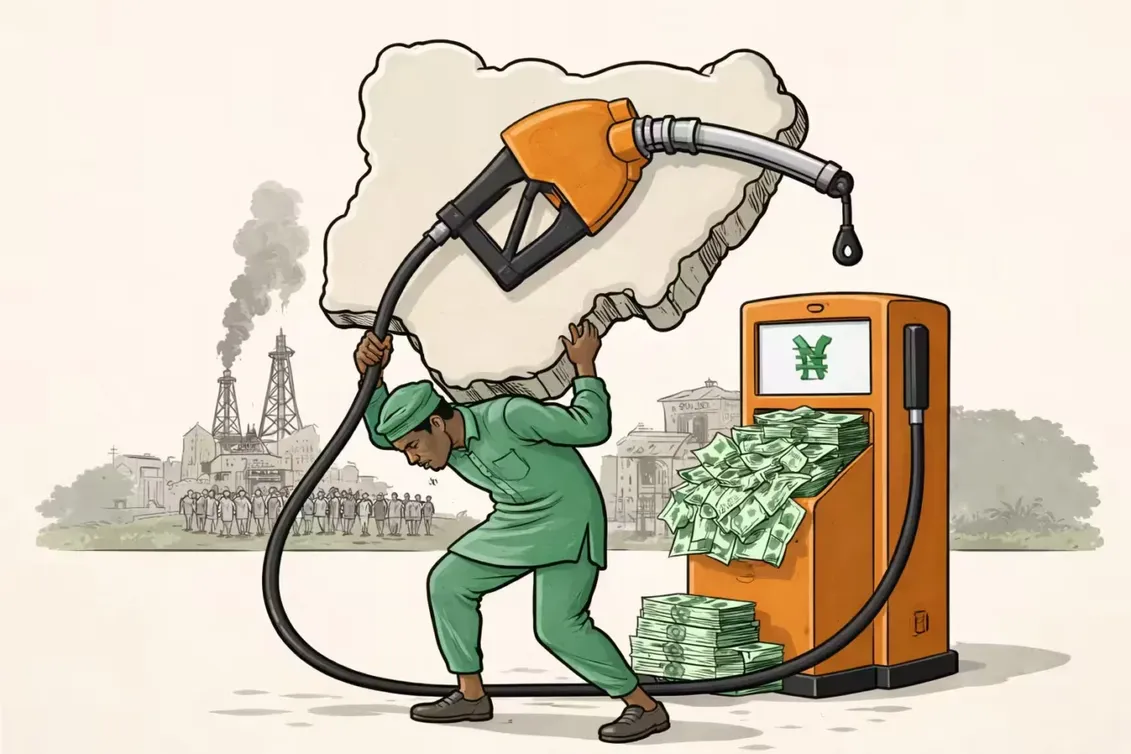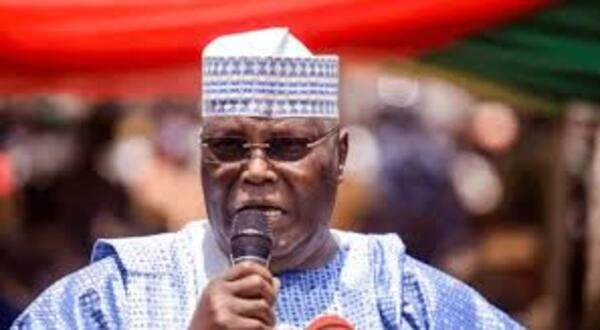
African Democratic Congress (ADC) presidential candidate Atiku Abubakar has reaffirmed his pledge to restore petrol subsidy if elected president in 2027, distancing himself from comments by one of his media aides that the intervention would eventually be phased out.
Atiku made the clarification on Tuesday while receiving the Osun State leadership of the ADC in Abuja, where he said his position on petrol subsidy had not changed.
The former vice president said an administration led by him would intervene to reduce the cost of energy and transportation and restore the purchasing power of Nigerians.
“On the question of subsidy, my position has not changed and will not change: I will restore it,” Atiku said. He added that Nigeria, given its natural resources, should be able to protect citizens from severe economic hardship.
“A nation as blessed as ours has no business abandoning its citizens to hardship. Nigeria is rich enough to look after her own,” he said.
Atiku’s comments came after his media aide, Paul Ibe, suggested during an interview on AIT that a subsidy introduced by an Atiku administration would eventually be withdrawn as economic conditions improved.
The ADC candidate subsequently clarified that Ibe was not speaking with his authority and reiterated that he would restore the intervention if elected.
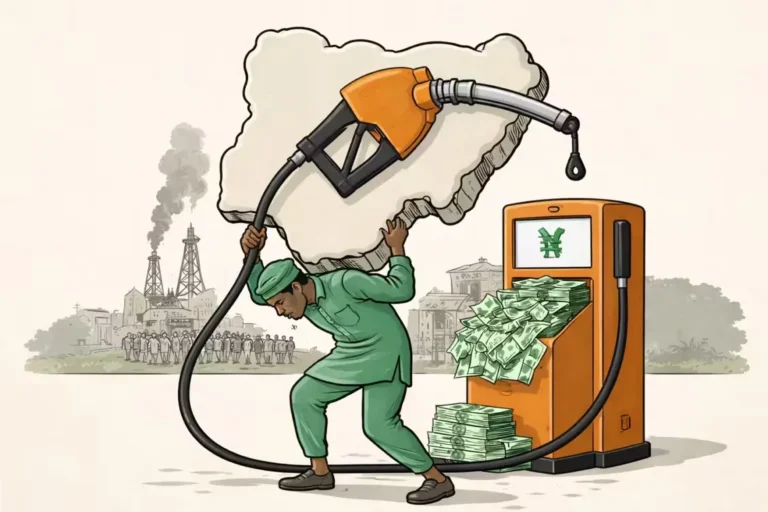
Atiku’s Fuel Subsidy Restoration Proposal
The policy is intended to reduce energy and transportation costs, lower the cost of production and improve the real value of wages for Nigerian households.
“I want wages to have value again. I want farmers to move produce without transport swallowing their profits. I want families to fill their baskets without emptying their pockets. I want businesses to produce, employ and prosper,” Atiku said.
The former vice president’s position places petrol subsidy once again at the centre of the 2027 presidential contest, with the policy likely to remain one of the most contentious issues surrounding the Tinubu administration’s economic reforms.

Tinubu ended the petrol subsidy at his inauguration, triggering an immediate increase in petrol prices and a significant rise in transportation and household costs. The Federal Government has defended the removal as necessary to reduce fiscal pressure, eliminate a costly subsidy regime and create conditions for greater investment in the downstream petroleum sector.
Atiku’s camp however argues that the alternative should not be a return to an opaque system in which government funds were used to subsidise imported petrol.