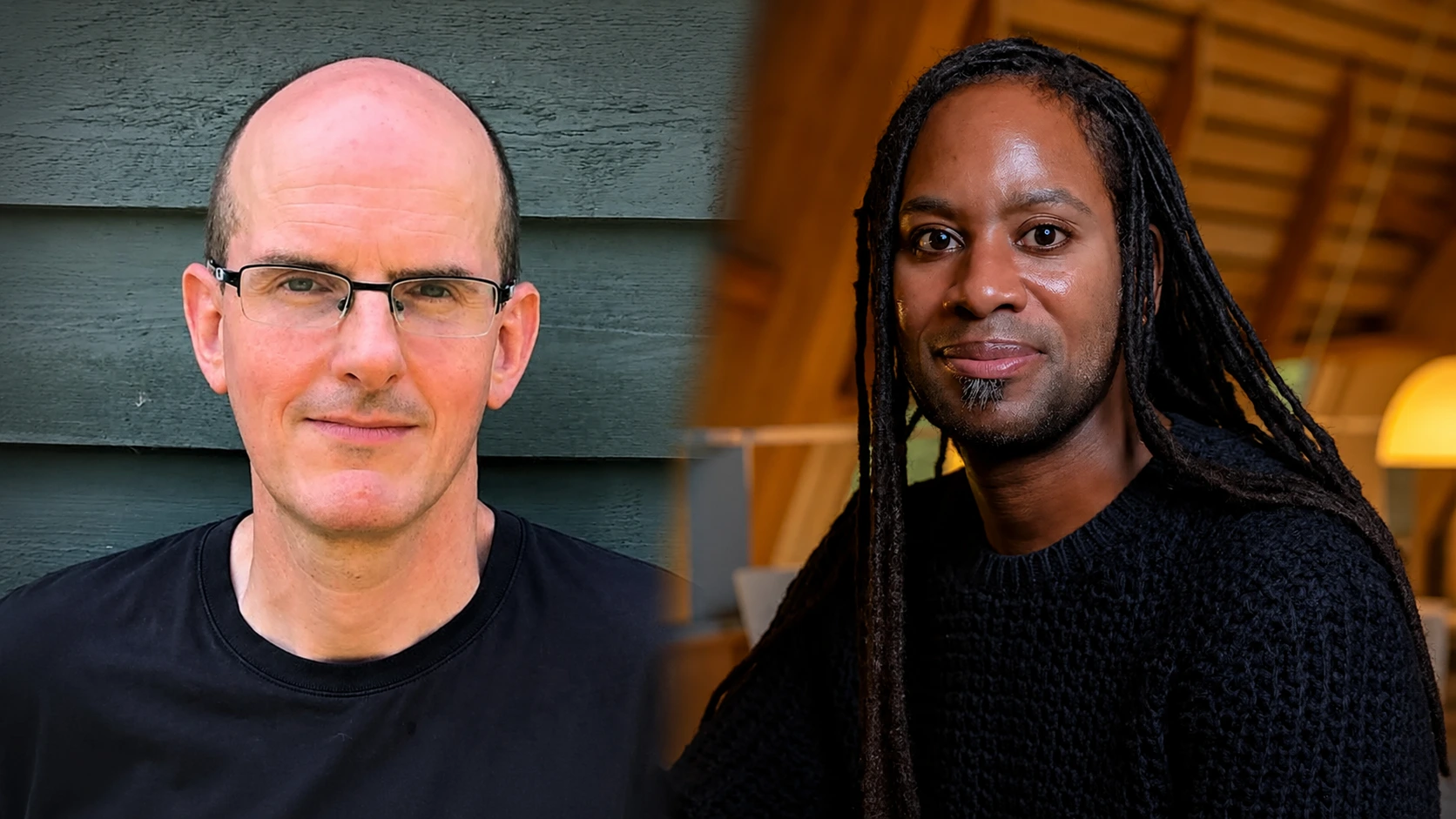
The controversy over Jason Arday’s rise to a professorship at the University of Cambridge has become a proxy battle over diversity, equity and inclusion in British universities.
But Professor Nicholas Guyatt, a historian at Cambridge, argues that the case tells a much narrower story: one about the scrutiny of an individual appointment and the university’s handling of it, rather than evidence that diversity policies have systematically displaced merit.
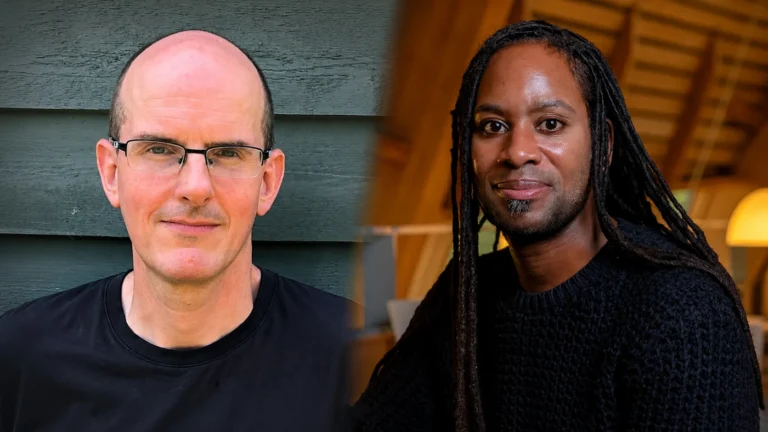
Guyatt, who has worked at Cambridge for 12 years, said the suggestion that Arday’s appointment represented a broader “woke-gone-mad” culture was false. He also criticised the university’s failure to publicly defend Black and other minority academics who, he said, were now being forced to demonstrate that they legitimately belonged in their jobs.
The appointment that became a culture-war flashpoint
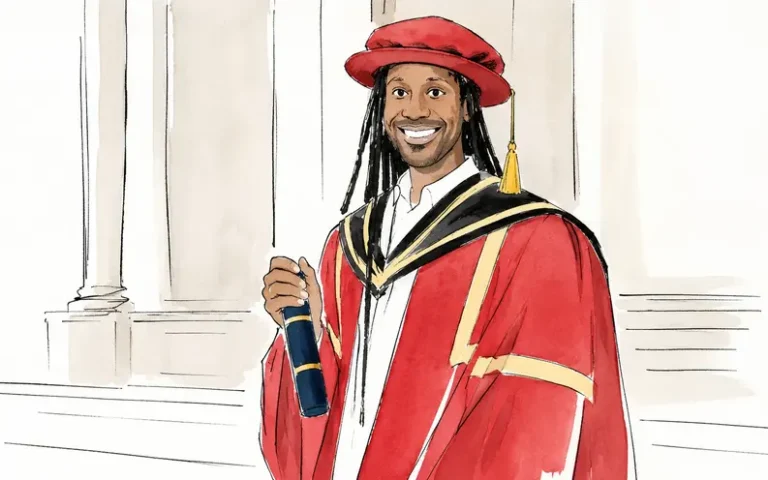
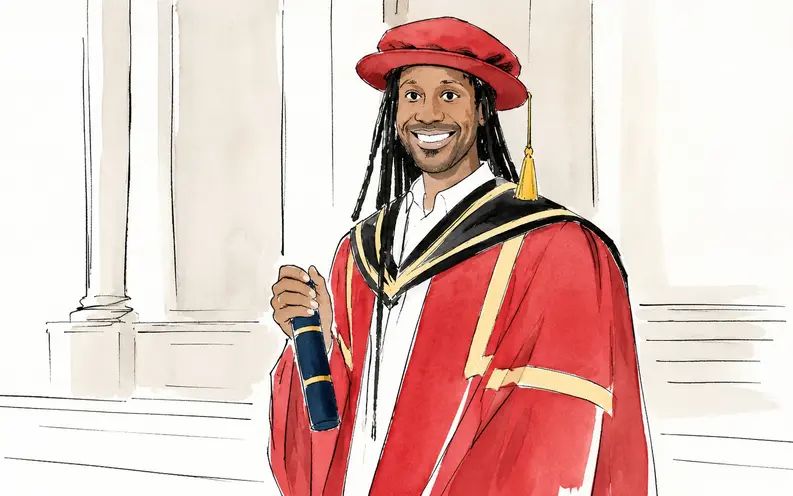
The controversy has grown far beyond the question of one academic’s career. Arday’s appointment was initially celebrated as a landmark moment for Cambridge: he became the youngest Black person appointed to a professorship at the university.
Cambridge formally elected him Professor of Education in December 2022, with the appointment taking effect in March 2023. Before joining Cambridge, Arday had held senior academic positions elsewhere, including at the University of Glasgow and Durham University.
His academic work focused heavily on race, inequality, education and the experiences of under-represented groups in higher education. Cambridge presented him as an established scholar in those fields.
His personal history also attracted considerable attention. Cambridge said Arday had been unable to speak until he was 11 and unable to read or write until he was 18. His later academic career therefore became part of a powerful narrative about overcoming barriers to higher education.
Why Cambridge is now under pressure to explain itself
The debate changed when questions emerged over aspects of Arday’s academic record and professional history.
Cambridge has now commissioned an independent investigation into his appointment. The university’s response effectively separates two questions that have increasingly become intertwined in public debate: whether Arday’s academic work and professional claims withstand scrutiny, and whether Cambridge’s own procedures were sufficiently rigorous when it appointed him.
That distinction is crucial.
If Cambridge’s processes failed, the immediate institutional issue is whether its systems for appointing senior academics need strengthening. It does not automatically follow that the university’s diversity policies caused the failure.
Conversely, if investigators find that normal academic standards were deliberately weakened, the implications would extend well beyond one appointment.
Guyatt says the bigger story is being missed
For Guyatt, the intense attention on Arday is obscuring a much larger crisis inside British higher education.
He pointed to widespread redundancies and the closure of university programmes, arguing that minority academics are also losing jobs as institutions respond to financial pressure.
“There are far more black academics losing their jobs right now because programs are closing down than are getting their jobs through mistaken checks,” Guyatt said.
He described the continuing redundancies as an attack on one of Britain’s major cultural and intellectual institutions, arguing that the media focus on Arday represents a disproportionate concentration on one individual while the wider restructuring of universities receives much less attention.
The argument reflects a broader tension in British higher education. Universities are simultaneously under pressure to demonstrate academic standards, maintain financial sustainability and broaden access to people historically under-represented in academia.
Those objectives can collide when an individual appointment becomes politically symbolic.
The problem with turning one appointment into a verdict on DEI
Guyatt’s strongest objection is not simply to criticism of Arday. It is to what he sees as the use of the case to make a much wider claim about Black academics and diversity policies.
He said the media coverage had created an atmosphere in which Black and brown academics were effectively being asked to prove that they deserved their positions.
That argument places Cambridge’s controversy inside a much older debate over affirmative action, equal opportunity and academic merit.
Critics of DEI policies argue that efforts to increase representation can create incentives to prioritise identity over qualifications. Supporters counter that traditional definitions of merit can themselves reproduce inequalities when access to elite universities and academic careers has historically been uneven.
The Arday controversy has therefore become useful to both sides of that argument. Critics see it as evidence that diversity initiatives can weaken institutional standards. Supporters see the reaction to it as evidence that Black academics remain subject to a level of scrutiny that white academics do not face.
Neither conclusion can be established by the appointment alone.
Cambridge now has to answer a narrower question
The independent investigation gives Cambridge an opportunity to move the debate away from competing political narratives and towards evidence.
The key question is whether the university followed its normal standards when Arday was appointed and whether those standards were adequate.
That is different from asking whether Cambridge should have diversity policies, whether Britain has become too politically correct or whether DEI has gone too far.
The investigation’s findings will determine how much of the controversy concerns one appointment and how much reveals weaknesses in Cambridge’s wider governance.
Until then, Guyatt’s warning is essentially about scale: a disputed appointment should not automatically become evidence for a sweeping claim about an entire university, a generation of academics or the future of British higher education.

At the same time, Cambridge cannot dismiss legitimate questions about its own procedures simply because the controversy has become politically charged.
The institution now faces the more difficult task of doing both — scrutinising what happened in the Arday case while preventing the controversy from becoming either an indictment of every diversity initiative or a reason to avoid uncomfortable questions about academic standards.