The United States has imposed a fresh round of sanctions on Sudan, accusing the country’s military-led government of using chemical weapons during its ongoing conflict with the Rapid Support Forces (RSF), escalating pressure on one of Africa’s deadliest wars.
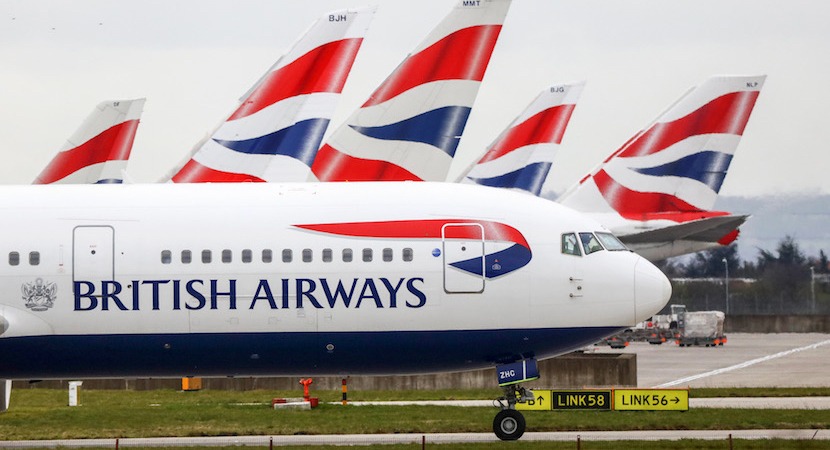
The sanctions, which took effect on Monday, further restrict Sudan’s access to US financing and exports while also prohibiting Sudan-owned airlines from using American airspace. The measures follow a determination by the US State Department last year that Sudan violated the Chemical Weapons Convention by allegedly deploying chemical weapons in 2024.
Although the US has not publicly disclosed the specific locations or timing of the alleged attacks, international investigations have linked the Sudanese military to the reported use of chlorine gas during the conflict. Reports by The New York Times and France 24 alleged that chlorine-filled barrels were dropped from military aircraft in 2024, including near the al-Jaili oil refinery north of Khartoum, then under RSF control.
Sudan’s government has consistently rejected the accusations, describing them as “baseless” and politically motivated.
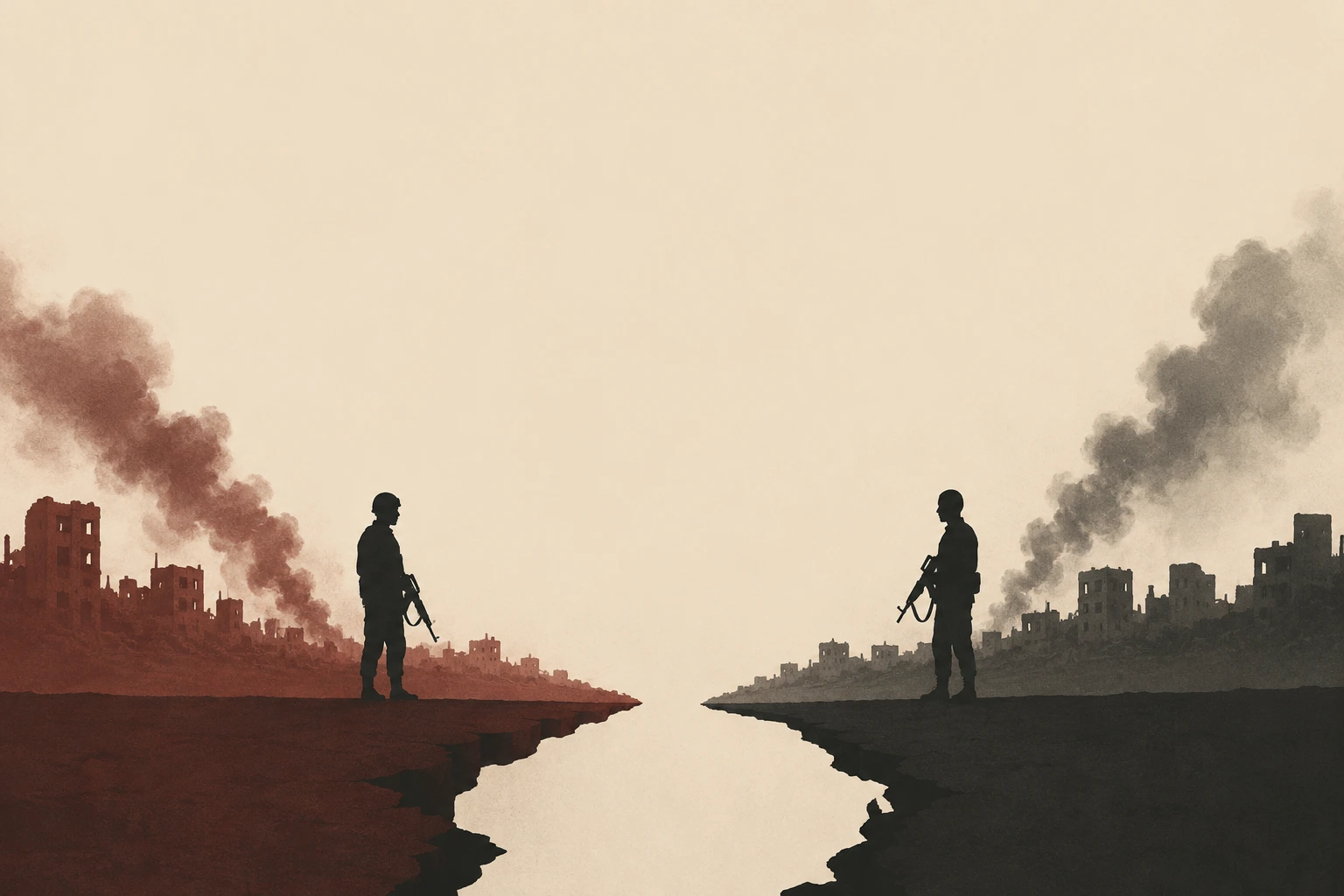
The latest sanctions add to years of US punitive measures against Sudan, whose relations with the US have remained strained since the rule of former President Omar al-Bashir. While some sanctions were eased following Bashir’s removal in 2019, restrictions were reintroduced after the 2021 military coup and expanded following the outbreak of war between the Sudanese Armed Forces, led by General Abdel Fattah al-Burhan, and the RSF under Mohamed Hamdan Daglo (Hemeti) in April 2023.

Sudan Humanitarian Crisis
The ongoing Sudanese conflict has evolved into one of the world’s worst humanitarian crises. According to UN estimates cited in the report, nearly 20 million people are experiencing acute food insecurity, while aid organisations estimate that more than 200,000 people have been killed since fighting erupted.
Diplomatic efforts led by the United States and Saudi Arabia have so far failed to secure a lasting ceasefire, with both sides continuing to pursue military victory. Humanitarian groups warn that prolonged sanctions and continued fighting risk worsening the suffering of millions of civilians already caught in the conflict.