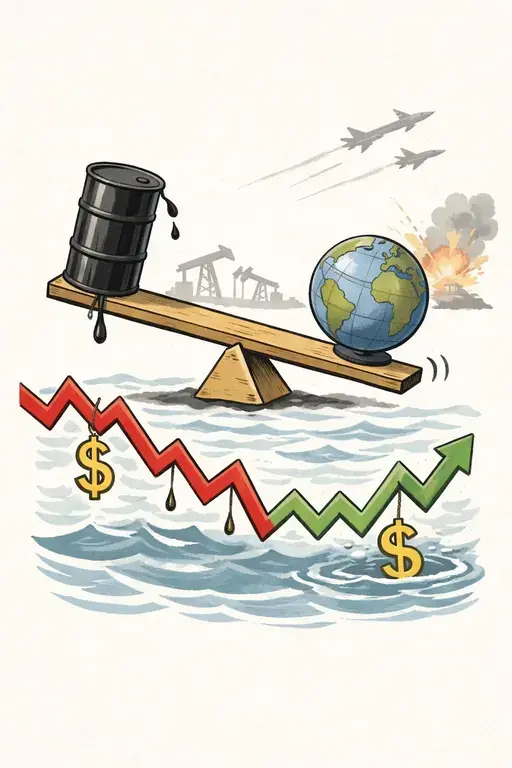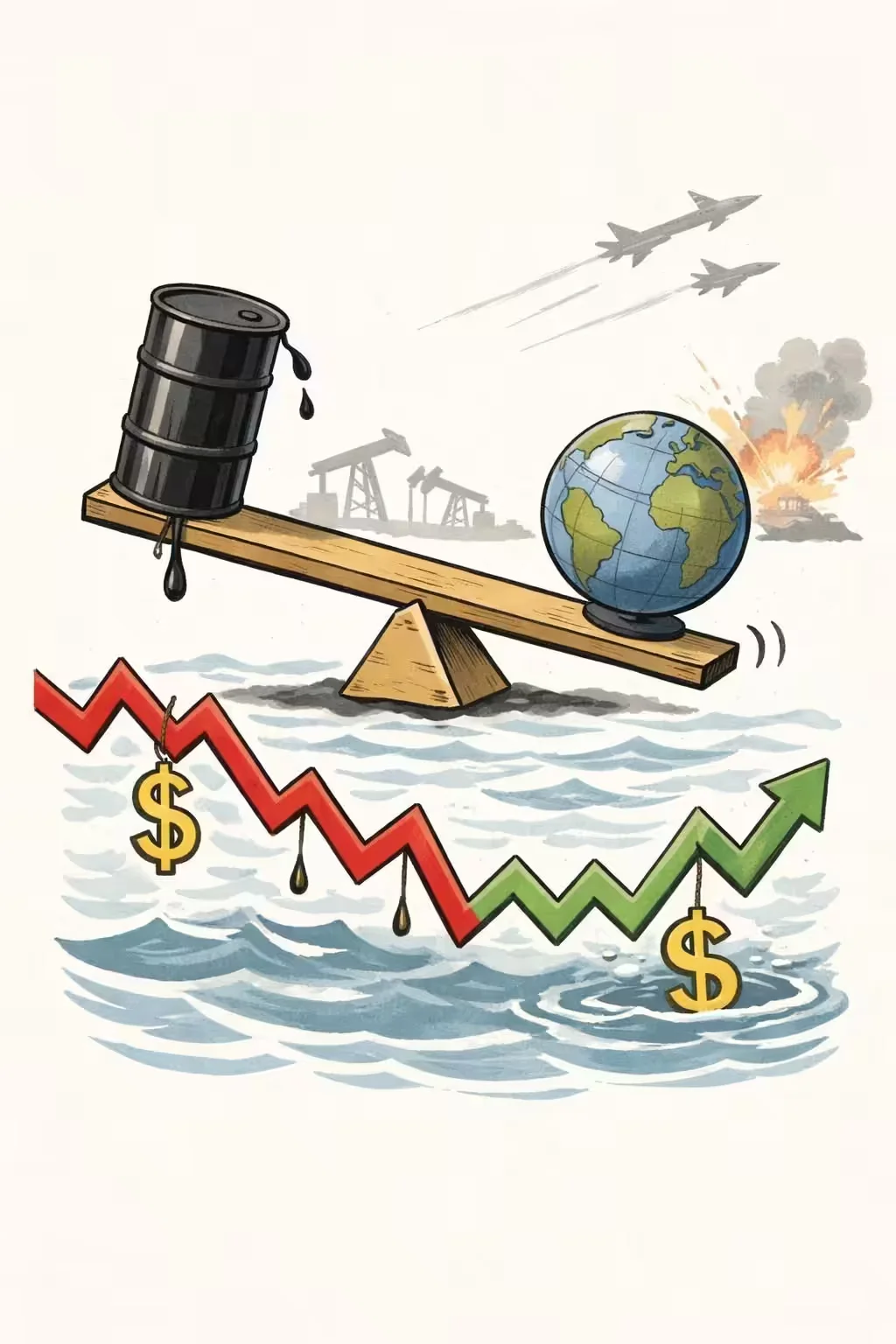
Oil prices jumped sharply on Thursday to $76.80 per barrel after U.S. President Donald Trump declared that the interim ceasefire agreement with Iran had effectively collapsed, describing the recently signed memorandum of understanding as a “waste of time.”
The renewed geopolitical tensions sent oil markets higher, with Brent crude for September delivery rising to $76.80 per barrel, while West Texas Intermediate (WTI) crude for August delivery traded around $75.40 per barrel.
The latest escalation followed Iran’s attack on three commercial vessels transiting the Strait of Hormuz on Tuesday, prompting retaliatory military action by the United States. An LNG tanker was reportedly struck on its port side, triggering an engine room fire, while a Saudi-flagged supertanker sustained minor damage off the coast of Oman.
In response, U.S. Central Command (CENTCOM) launched large-scale airstrikes targeting more than 80 military sites across Iran. According to CENTCOM, the operation employed precision-guided weapons and 5,000-pound bunker-busting munitions against multiple coastal locations, including Qeshm Island, Sirik, and the strategic port city of Bandar Abbas.
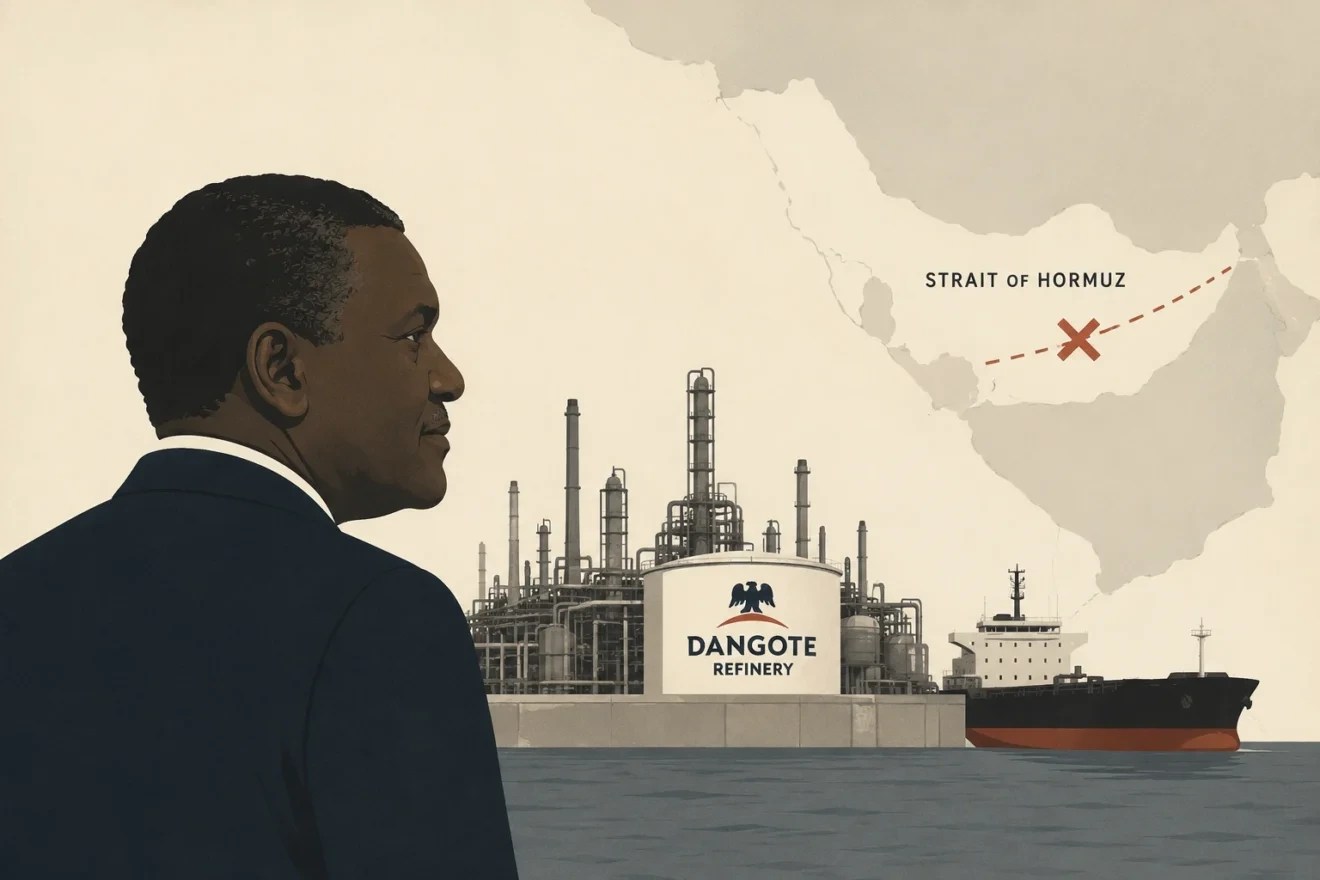
The Trump administration also revoked a temporary sanctions waiver that had allowed Iran to continue selling oil and petrochemicals, cutting off a significant source of revenue for Tehran. Meanwhile, Iran’s Khatam al-Anbiya Central Headquarters announced the closure of the Strait of Hormuz, warning that any commercial vessel attempting to transit the waterway would face direct military action.

In the aftermath of the Closure, traffic through the strait of Hormuz has thinned out as the prospect of prolonged disruption to one of the world’s most critical oil shipping routes has driven freight rates for Gulf tankers sharply higher, as shipowners demand increased risk premiums.
Consequently, refiners across Asia are seeking alternative crude supplies from West Africa, the United States, and Latin America amid growing concerns that sustained restrictions in the Strait of Hormuz could tighten global oil supplies and keep energy prices elevated.