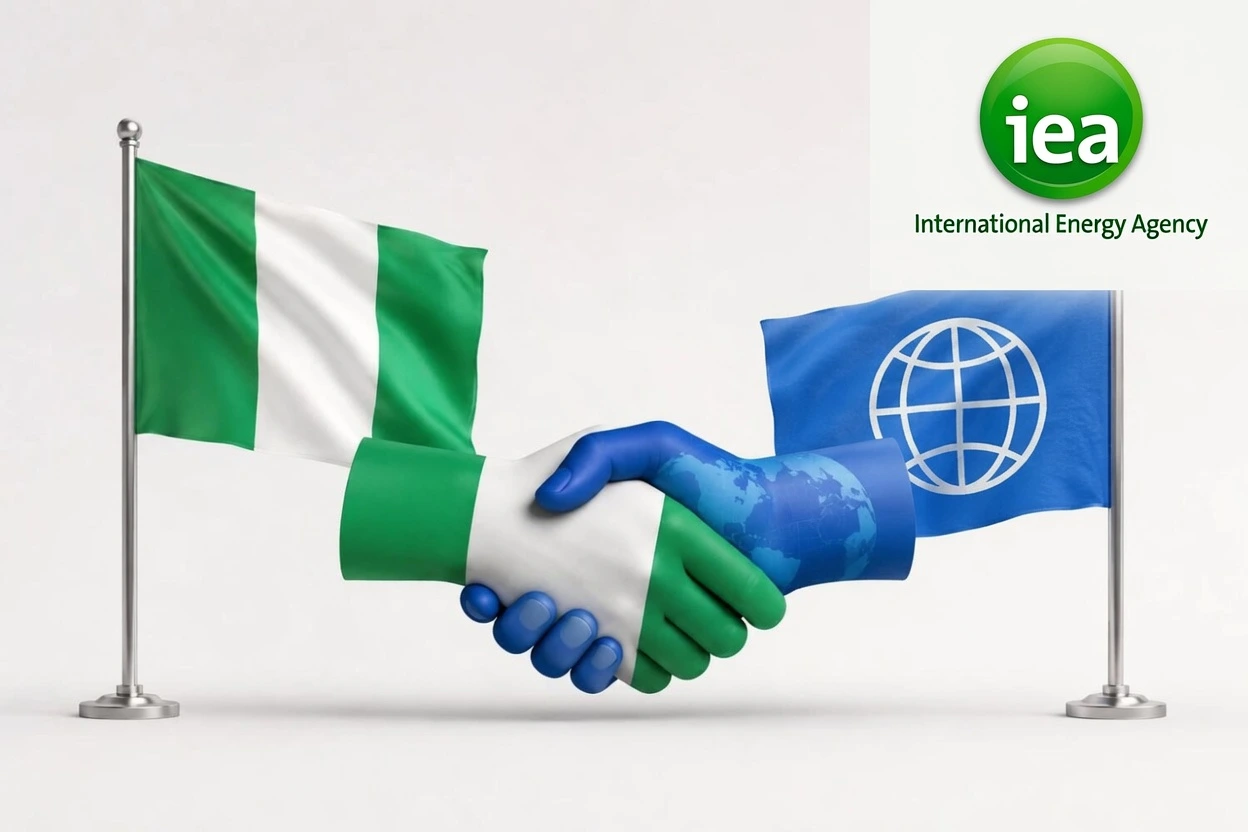
Nigeria has been admitted as an Association country of the International Energy Agency (IEA), marking a significant milestone in the country’s international energy engagement and strengthening its role in global energy governance.
The decision was unanimously approved by the IEA Governing Board, making Nigeria the latest member of the IEA Family, which now collectively represents more than 80% of global energy demand.
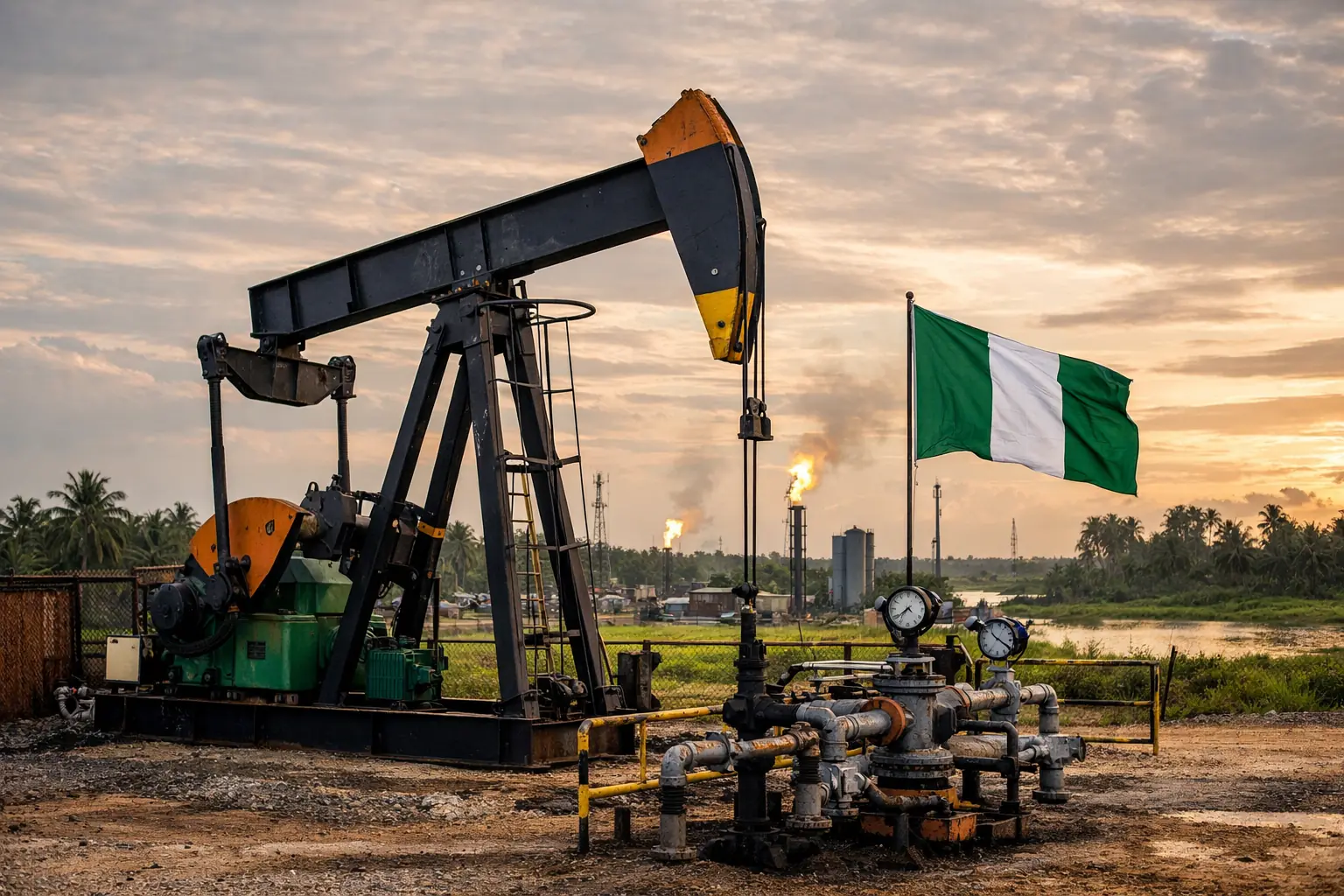
The IEA said Nigeria’s admission reflects its growing importance as Africa’s most populous nation, a major producer of oil and natural gas, and one of the continent’s fastest-growing renewable energy markets. The agency noted that while Nigeria plays a crucial role in global energy supply, it also continues to face challenges in expanding access to reliable electricity and clean cooking solutions for millions of its citizens.
IEA Executive Director Fatih Birol described Nigeria’s admission as a landmark achievement.
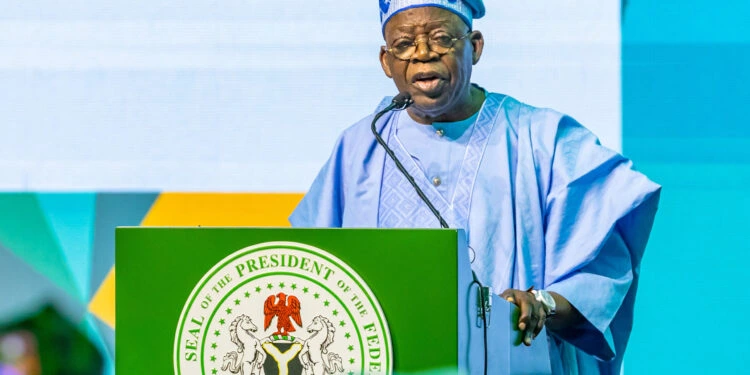
“I am thrilled that Nigeria is joining the IEA – it is Africa’s most populous country and a major international energy player. Nigeria becoming part of the world’s energy authority marks a milestone for global energy governance. I am very thankful to President Tinubu and Minister Ekpo for their trust in the IEA.”
Birol added that deeper collaboration would benefit both parties as Nigeria seeks to strengthen energy security, drive economic growth and expand access to modern energy services.
“As Nigeria works to strengthen energy security, support economic growth and expand energy access, deeper cooperation with the IEA will bring important benefits for both sides. We look forward to building on our already strong partnership and welcoming Nigeria to the IEA.”
Nigeria’s Minister of State for Petroleum Resources (Gas), Ekperikpe Ekpo, welcomed the development, describing it as a major honour for the country.
“I am elated with the decision of the IEA Members to officially welcome Nigeria to the IEA Family as an Association country. It is an honour for Nigeria to join this leading energy agency and I will take this opportunity to encourage the African continent to embrace the IEA, as we all work together to achieve key development goals including universal energy access and industrialisation.”
Milestone Significance
The IEA highlighted Nigeria’s increasing influence in international energy markets, citing recent growth in the country’s refining sector. It noted that increased fuel exports from Nigeria during periods of market disruption have helped improve fuel supply resilience across Africa and international markets.
The agency also acknowledged Nigeria’s emergence as one of the world’s fastest-growing markets for decentralised solar energy, alongside ongoing efforts to expand electricity access and clean cooking solutions nationwide.
The decision builds on more than a decade of cooperation between Nigeria and the IEA, which began in 2014. In September 2025, the IEA, Nigeria’s Ministry of Petroleum Resources and the African Energy Commission co-hosted a regional roundtable in Abuja focused on translating methane reduction pledges into practical action across Africa’s energy sector.

Under the Association programme, launched in 2015, Nigeria will collaborate more closely with the IEA on a broad range of energy issues, including energy security, clean energy transitions, market analysis and the agency’s broader engagement across sub-Saharan Africa.
With Nigeria’s admission, the IEA said its global network has expanded from representing about 40% of worldwide energy demand in 2015 to more than 80% today.