The first batch of Nigerians evacuated from South Africa has arrived in Lagos following weeks of renewed xenophobic violence that prompted a government-coordinated repatriation exercise.
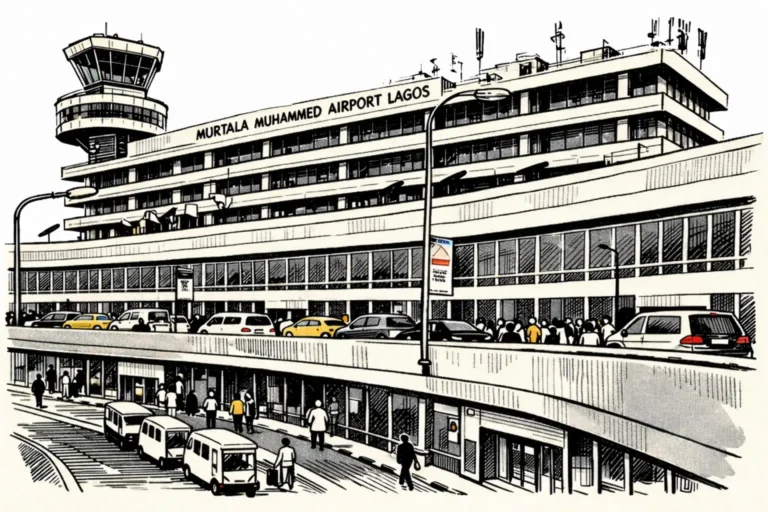
The 262 returnees arrived on Wednesday at the Cargo Terminal of the Murtala Muhammed International Airport aboard a specially arranged evacuation flight organised by the Federal Government to assist Nigerians affected by the unrest.
The aircraft touched down at approximately 10:30 a.m., with officials from the Ministry of Foreign Affairs, the Nigerians in Diaspora Commission (NiDCOM), and other relevant agencies on hand to receive the evacuees.
The returnees are expected to undergo documentation and profiling processes before being reunited with their families and communities.
Government officials said additional evacuation flights are expected in the coming days as authorities continue efforts to bring home Nigerians who have indicated a desire to leave South Africa. However, the exact number of additional returnees and the schedule of subsequent flights have not yet been announced.
Recent Wave of Xenophobic Attacks
The evacuation follows a recent wave of xenophobic attacks and anti-immigrant protests in parts of South Africa, where foreign nationals have reportedly been targeted by groups accusing migrants of contributing to crime, unemployment, and pressure on public services.
The latest tensions reignited concerns among African migrant communities, including Nigerians, after reports of intimidation, assaults, looting of foreign-owned businesses, and threats directed at immigrants in several townships and urban centres.
South Africa has experienced periodic outbreaks of xenophobic violence over the past two decades. Major incidents in 2008, 2015, and 2019 left dozens dead, hundreds injured, and thousands displaced, drawing condemnation from African governments and regional organizations.
In recent weeks, videos circulating on social media and reports from affected communities heightened fears among Nigerians living in South Africa, prompting calls for government intervention and the voluntary evacuation of citizens who felt unsafe.

Nigerian authorities subsequently activated emergency response measures and worked with South African officials, diplomatic missions, and community leaders to facilitate the safe return of affected citizens.
The Federal Government has reiterated its commitment to protecting Nigerians abroad and pledged continued support for those returning home as efforts continue to monitor the situation in South Africa