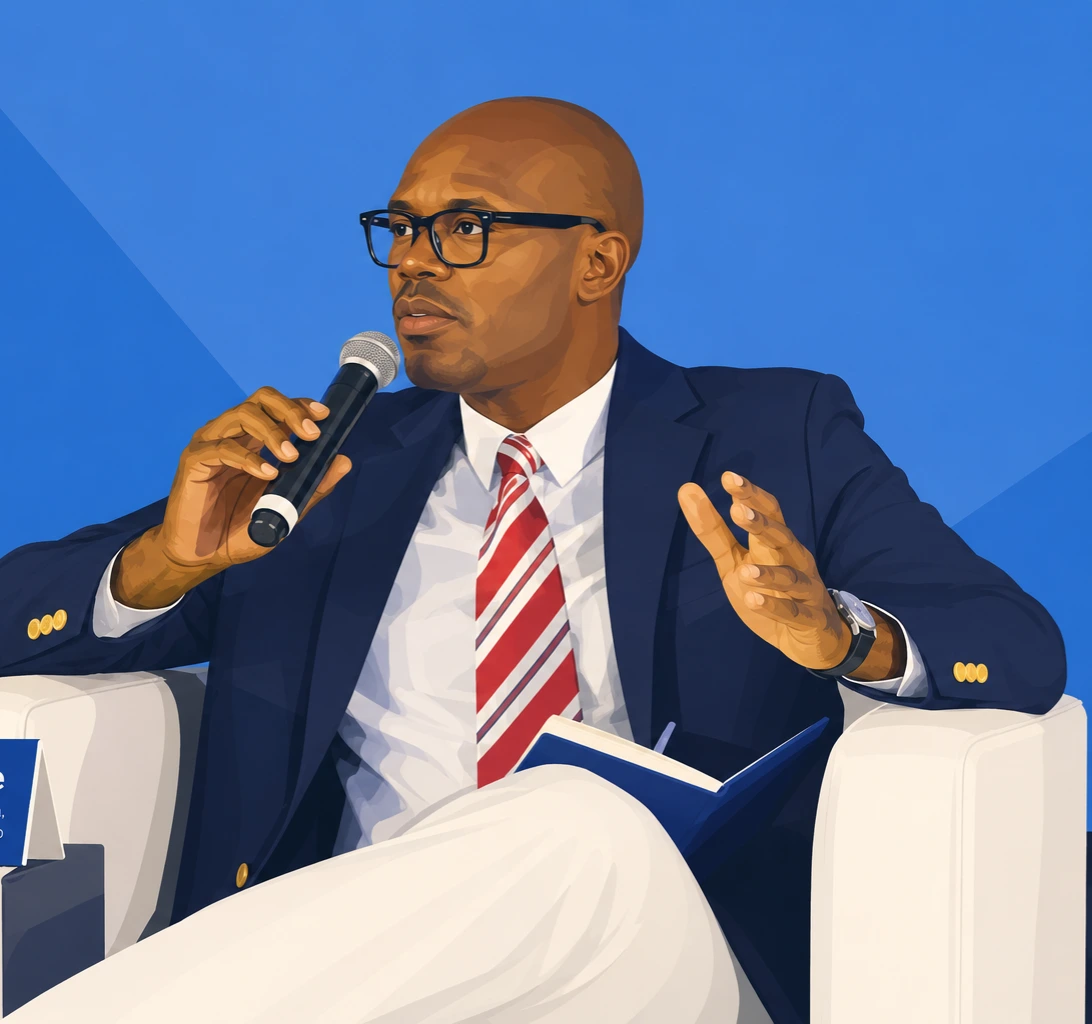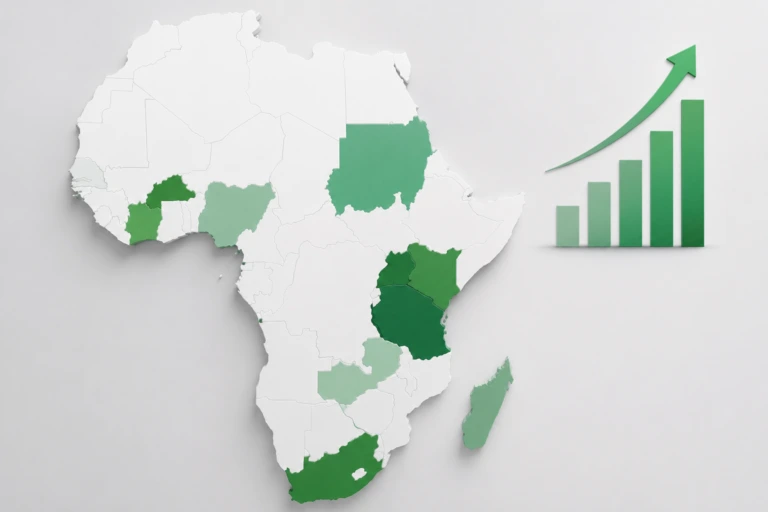
Sidi Ould Tah, President of the African Development Bank Group, has disclosed that 12 of the world’s 20 fastest-growing economies are currently in Africa, highlighting the continent’s increasing economic resilience and growth potential.
Tah made the statement on Tuesday while unveiling the bank’s 2026 African Economic Outlook during the ongoing AfDB Annual Meetings in Brazzaville.
According to him, African economies have continued to show resilience despite global geopolitical tensions, trade disruptions, and declining international development assistance.
“African economies continue to demonstrate resilience despite global geopolitical tensions, trade uncertainties and declining development assistance,” Tah said.
Africa’s GDP Growth to Rise to 4.5% in 2027
The AfDB president revealed that Africa’s real Gross Domestic Product growth stabilised at 4.3% in 2026 and is projected to increase to 4.5% in 2027.
He noted that the figures reflect the continent’s growing economic dynamism amid challenging global economic conditions. “The performance highlights the continent’s growing economic dynamism in a challenging global environment,” he stated.
Tah further disclosed that Africa’s GDP per capita growth improved from 0.9 per cent in 2023 to 1.9 per cent in 2025, indicating gradual economic recovery and improved productivity across several African economies.
According to the AfDB chief, foreign direct investment into Africa rebounded significantly in 2024, rising by 75 per cent to $97 billion.
He added that remittance inflows also surged by 14 per cent in 2024 to reach $186 billion, making remittances one of the continent’s leading sources of external financing.
“Remittance flows rose by 14 per cent in 2024 to $186 billion, making them a leading source of external financing for African economies,” Tah said.
Inflation Declines Across Africa
Tah also said inflation across Africa declined sharply from 21.8 per cent in 2024 to 13.6 per cent in 2025, although recent increases in energy and import costs have continued to exert pressure on prices in some countries.
Despite the positive indicators, the AfDB president warned that major structural challenges and financing gaps still threaten long-term growth across the continent.
He urged African governments to focus on investment-led growth, infrastructure development, financial reforms, and human capital expansion to consolidate economic gains.

Tah further stressed the need for African countries to deepen financial reforms and reduce dependence on external aid in order to strengthen economic sovereignty.
He also called on African nations to leverage the continent’s youthful population and rising investment inflows to sustain long-term development and economic transformation.