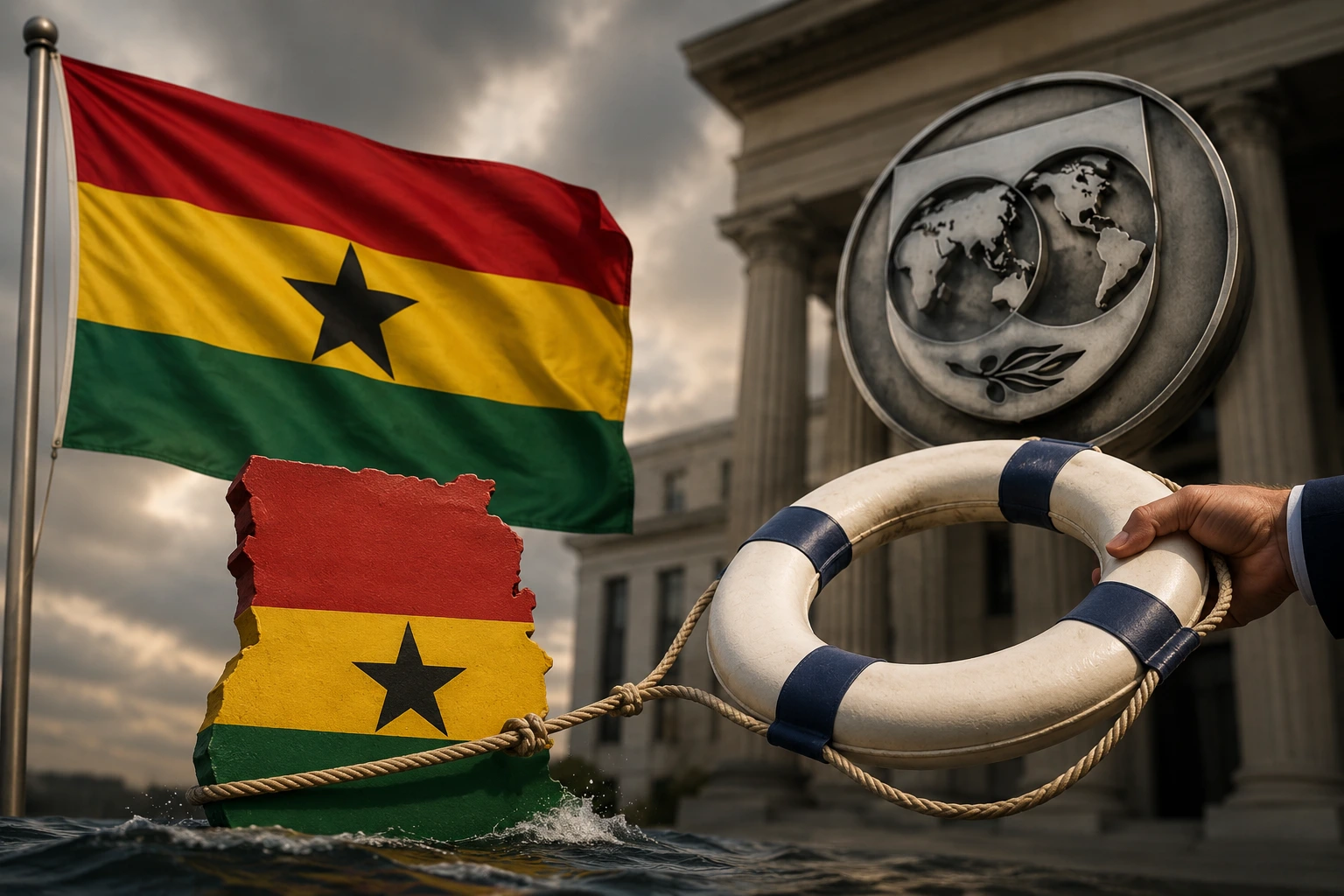
Ghana has declared that it will no longer seek financial bailouts from the International Monetary Fund (IMF) after emerging from one of the most severe economic crises in its recent history.
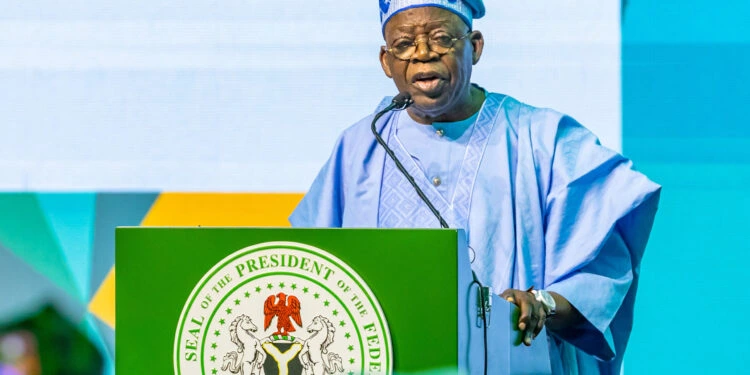
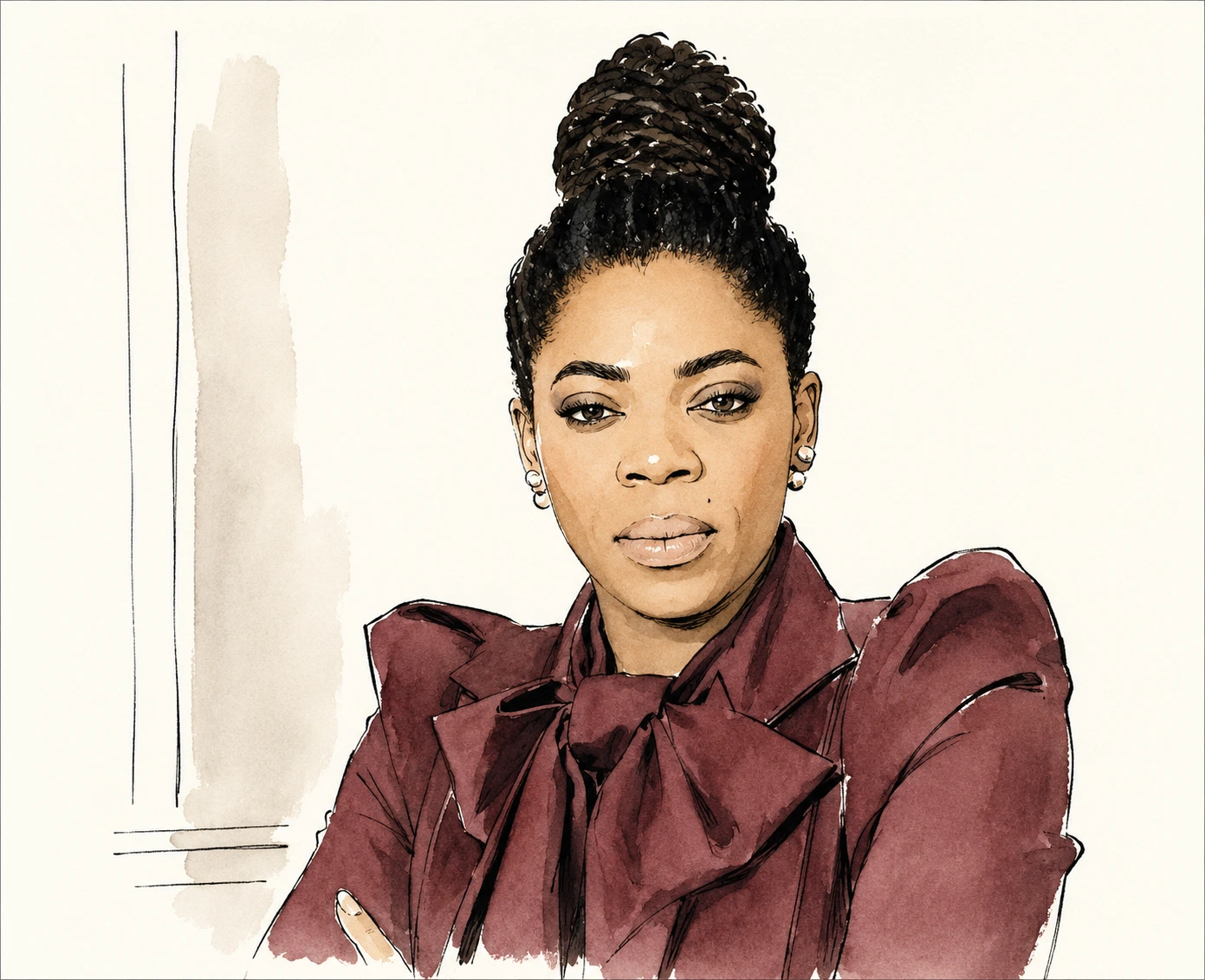
Speaking before Parliament, Ghana’s Finance Minister, Cassiel Ato Forson, said the country had learned hard lessons from the economic turmoil that led it to seek international assistance and was determined not to repeat past mistakes.
“It is important to recount this not to dwell on the past, but to remind ourselves of the heavy price of fiscal indiscipline and economic recklessness, and to affirm our collective resolve that Ghana must never return to that path,” Forson said.
The minister announced that after completing the final review of its current IMF-supported programme, Ghana will transition to a Policy Coordination Instrument (PCI), a non-financing arrangement that focuses on policy reforms, economic coordination, and investor confidence rather than direct financial support.
According to Forson, the move reflects Ghana’s progress from economic crisis management to a more stable and sustainable economic footing under the administration of President John Mahama.
“Ghana has evolved from a position of supplicant to one of partner,” he said, emphasizing that future engagement with the IMF would be centred on reforms and economic governance rather than emergency lending.
He added that no additional IMF bailout would be required in the foreseeable future.
Reforms Driven Economic Recovery
Forson said the government inherited a deep economic and financial crisis that had left many Ghanaians struggling with soaring inflation, declining purchasing power, elevated borrowing costs, job losses, and widespread economic uncertainty.
To restore stability, the administration introduced several fiscal and structural reforms, including tighter public spending controls and debt management measures.
Among the key initiatives highlighted were the implementation of a Public Financial Management commitment control system to curb excessive government spending, the operationalisation of a Sinking Fund to meet future debt obligations, and the establishment of the GoldBod initiative aimed at strengthening foreign exchange reserves and improving currency stability.
The government also moved to reduce public expenditure by trimming the size of government. The number of ministers was cut from 123 to 60, while ministries were reduced from 30 to 23.
In addition, authorities scrapped several taxes, including the E-Levy, Betting Tax, Emissions Levy, and Value Added Tax on motor insurance.
Ghana Targeting Fiscal Surplus by 2026
The finance minister noted that Ghana remains on track to meet the IMF’s fiscal responsibility targets and is projected to achieve a primary budget surplus equivalent to 1.5% of Gross Domestic Product (GDP) by 2026.
The development follows Ghana’s commitment late last year to conclude its IMF programme on a strong note amid signs of economic recovery and improving fiscal performance.
Ghana’s $3 Billion IMF Programme
The programme was designed to help the country recover from its worst economic crisis in a generation, stabilise public finances, and restore investor confidence.
At the time, then-President Nana Akufo-Addo described the bailout as a critical step toward rebuilding trust in the economy and placing the country back on a path of sustainable growth.
The West African nation also announced plans to reduce its external debt burden by approximately $10 billion by 2026 as part of broader debt restructuring efforts.
With economic indicators showing improvement and reforms gaining traction, Ghana now says it is prepared to move beyond financial rescue programmes and pursue long-term economic stability through disciplined fiscal management and structural reforms.SEO Assets