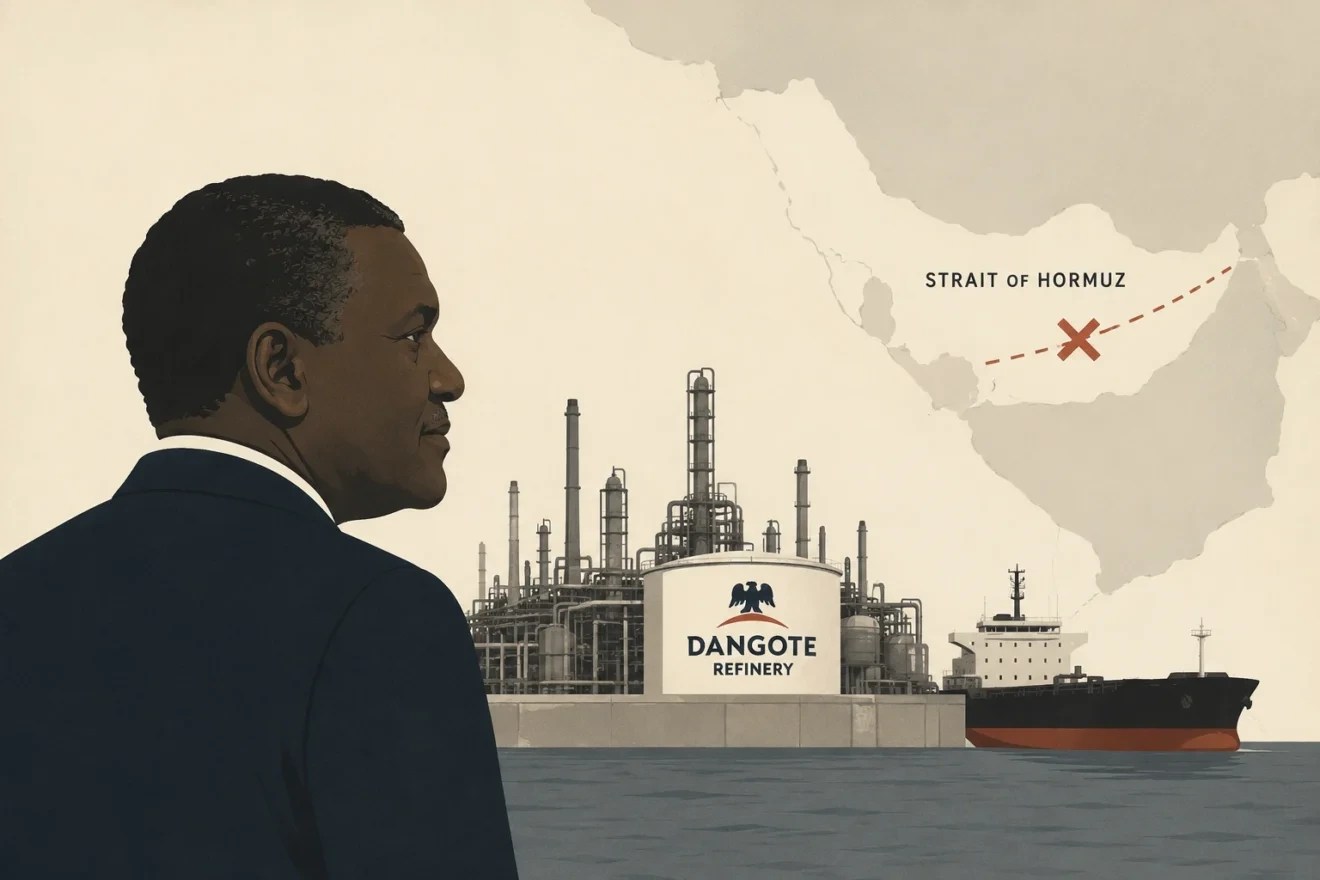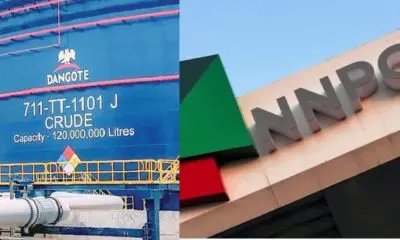
The Nigerian National Petroleum Company (NNPCL) has accused Dangote Petroleum Refinery of seeking to restrict competition and expose the country’s fuel market to monopoly control by challenging import licences issued to rival marketers in its proposed defense of a lawsuit brought against it by the refiner.
According to court documents seen by Reuters,the NNPCL in a proposed defence filed at the Federal High Court in Lagos said granting Dangote’s request to void or restrict import permits would expose Nigeria to supply disruptions, price instability and risks to national energy security.
The Nigerian Midstream and Downstream Petroleum Regulatory Authority (NMDPRA) has also applied to join the case, widening a legal battle over import policy and Dangote refinery’s market position.
The dispute comes months before Dangote refinery’s planned September IPO.
Dangote Refinery’s Earlier Suit
Dangote Petroleum Refinery recently filed a lawsuit in April against Nigeria’s attorney general, challenging fuel import licences issued or renewed by the NMDPRA, to marketers and NNPC.
Dangote refinery had argued the licences undermine local refining and violate provisions of Nigeria’s Petroleum Industry Act.
NNPCL rejected that argument, saying the law allows import licences to companies with local refining licences or proven records in international crude and petroleum-product trading.
It said regulators had discretion to manage imports under Nigeria’s backward-integration policy and that there was no mandatory ban on imports except in cases of domestic shortfall.

NNPCL also said Dangote had not provided “credible, independent or verifiable evidence” that the refinery could meet Nigeria’s total fuel demand or guarantee uninterrupted nationwide supply, the court documents show.
The court has scheduled a hearing on the case in the coming weeks.