The Nigerian Electricity Regulatory Commission (NERC) has commenced the implementation of its Net Billing Regulations 2026, introducing a framework that allows eligible electricity consumers to generate renewable energy for their own use and export excess power to the distribution network in exchange for billing credits.
The regulation creates a new category of electricity users known as “prosumers”, customers who both consume and produce electricity.
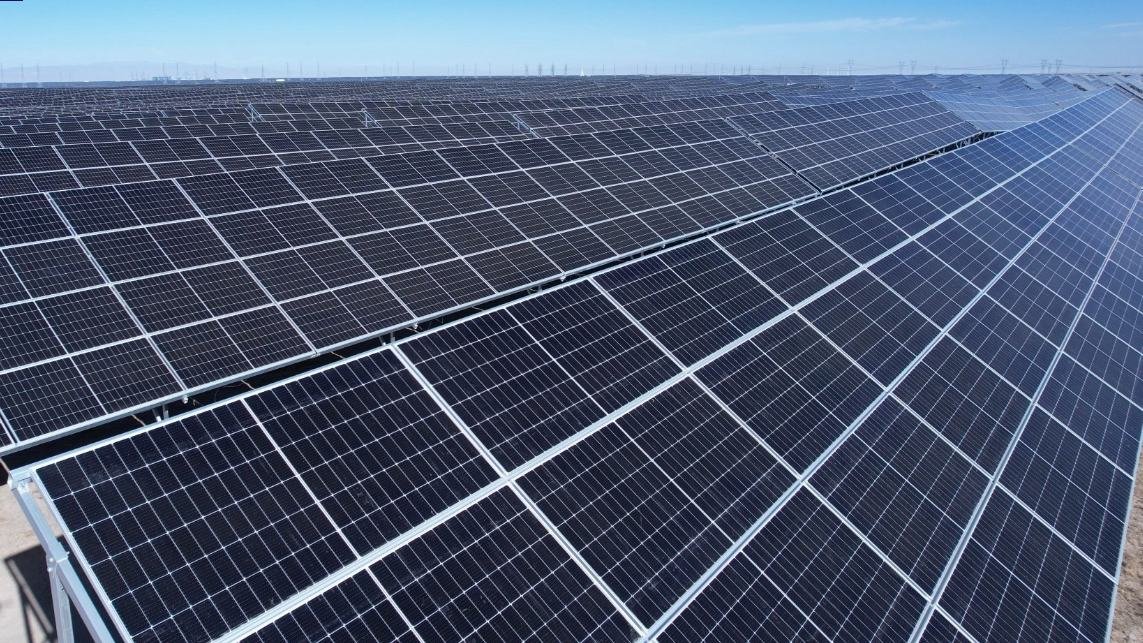
Under the arrangement, electricity generated from approved renewable energy systems, primarily solar photovoltaic installations, can be used on-site, while surplus energy can be injected into the grid and credited through a regulated billing mechanism.
The initiative is part of broader efforts to expand renewable energy adoption, improve grid resilience, and encourage private investment in distributed power generation. NERC had previously sought public comments on the draft regulations before moving toward implementation.
How to Qualify
The scheme is not designed for small residential solar users at this stage. To participate, a customer must:
Be connected to a licensed electricity distribution company’s (DisCo) network.
Install a renewable energy system that meets the approved capacity threshold.
Obtain approval from the relevant DisCo.
Execute a Net Billing Agreement with the DisCo.
Register with NERC as a prosumer.
According to the regulatory framework, eligible renewable energy systems are primarily grid-connected solar photovoltaic and small wind installations. The draft framework covered systems with capacities ranging from 50 kilowatt-peak (kWp) to several megawatts, targeting commercial, industrial and large institutional users rather than typical household solar installations.
How the system works
Under the net billing arrangement, approved prosumers will be equipped with bidirectional meters capable of measuring:
Electricity imported from the grid.
Electricity exported to the grid.
Unlike traditional net metering systems, where exported electricity may directly offset electricity consumed, Nigeria’s framework adopts a credit-based net billing model. Excess electricity supplied to the network is credited at a NERC-approved injected energy tariff, while electricity consumed from the grid continues to be billed under applicable retail tariffs. Credits can be carried forward to subsequent billing cycles subject to regulatory conditions.
Expected impact
Industry stakeholders say the framework could stimulate investments in commercial-scale solar projects, reduce pressure on the national grid, and provide businesses with an opportunity to lower energy costs while generating additional value from excess power production.

The Renewable Energy Association of Nigeria (REAN) has described NERC’s net billing initiative as an important step toward expanding renewable energy access and supporting distributed generation across the country.
The regulations form part of ongoing reforms in Nigeria’s electricity sector following the enactment of the Electricity Act 2023, which opened up new opportunities for private sector participation and decentralized electricity generation.