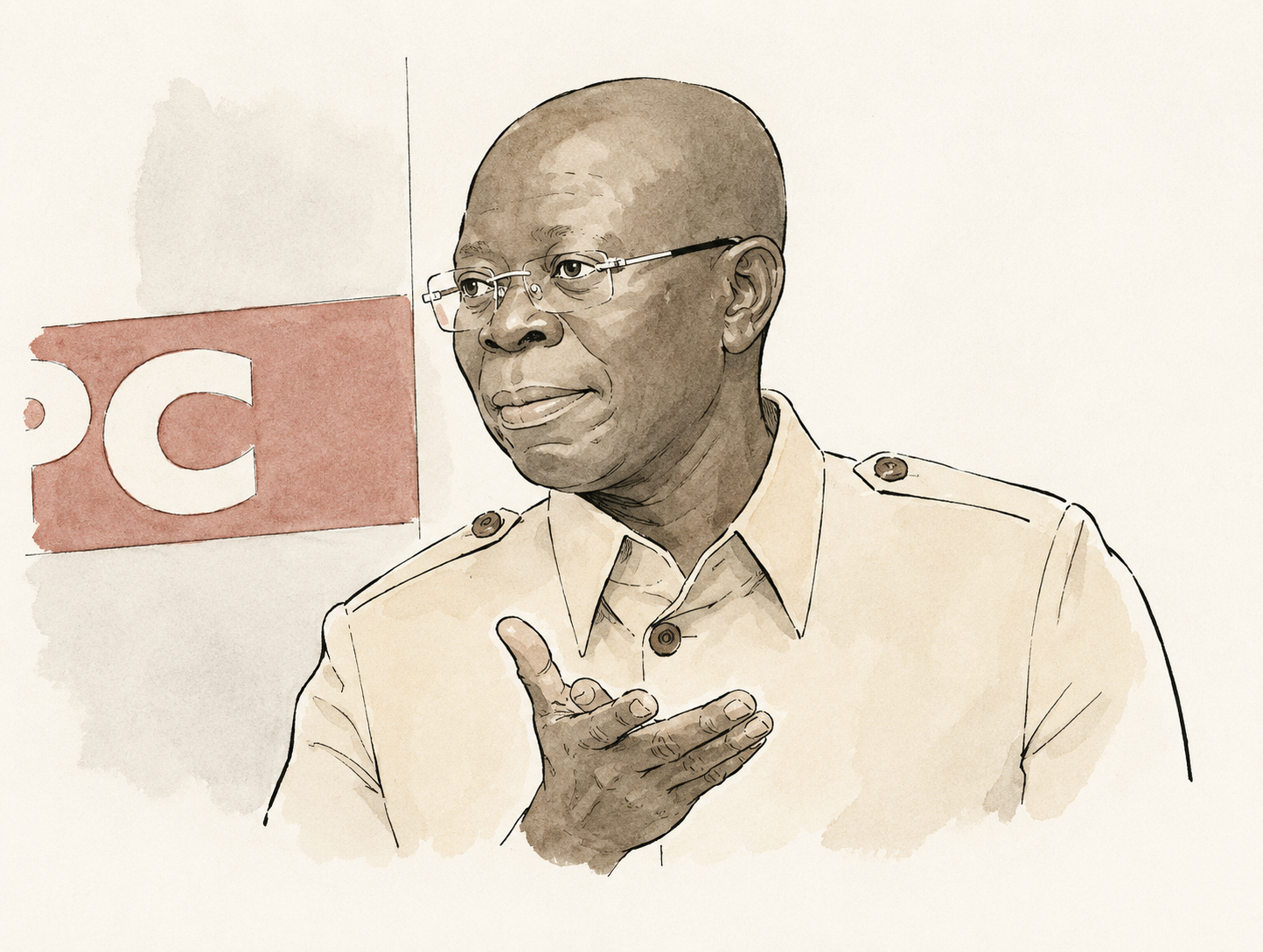
Senator representing Edo North, Senator Adams Oshiomhole has defended his controversial proposal that Nigeria should nationalise South African-owned businesses operating in the country in response to renewed xenophobic attacks against Nigerians in South Africa.
Speaking during an interview on ARISE News, the former Edo State governor said his remarks were rooted in the principle of reciprocity and intended to compel South African authorities to take stronger action to protect Nigerian lives and businesses.
Oshiomhole maintained that economic retaliation is a legitimate diplomatic tool when a country repeatedly fails to protect foreign nationals.
“If you hit me, I hit you. I think it is appropriate in diplomacy. It is an economic struggle.
“When you hit Ramaphosa as president, you touch his economic interest in Nigeria, he will speak up,” he stated.
The senator had earlier called on the Federal Government to revoke the operating licences of major South African companies in Nigeria, including MTN Nigeria and MultiChoice Group, arguing that Nigerians are being unfairly targeted in South Africa.
Oshiomhole Clarifies “Nationalisation” Comment
In the ARISE interview, Oshiomhole said his comments were not motivated by hostility toward investors but by frustration over repeated attacks on Nigerians abroad.
According to him, when diplomatic protests fail to deter violence, governments must demonstrate that there are economic consequences for inaction.
He argued that South African businesses generate substantial revenues in Nigeria and that stronger measures would force Pretoria to address the underlying tensions more decisively. During the interview, he stated that his calls had led to South African president Cyril Ramaphosa taking the issue seriously.
He further noted that human lives should be more imortant than any form of Foreign Direct Investment.
While many lawmakers condemned the attacks, the Senate of Nigeria stopped short of endorsing Oshiomhole’s proposal.
Federal Government Intensifies Diplomatic Pressure
The Ministry of Foreign Affairs has summoned South Africa’s acting high commissioner to protest the attacks and demand stronger protection for Nigerians living in the country. Nigerian officials also urged the immediate activation of bilateral mechanisms designed to prevent future tensions.

The Centre for the Promotion of Private Enterprise has cautioned that nationalising or revoking the licences of South African firms could undermine investor confidence and damage Nigeria’s reputation as a destination for foreign investment.
CPPE Chief Executive Officer Muda Yusuf described such reprisals as “inappropriate, disproportionate, and counterproductive.”