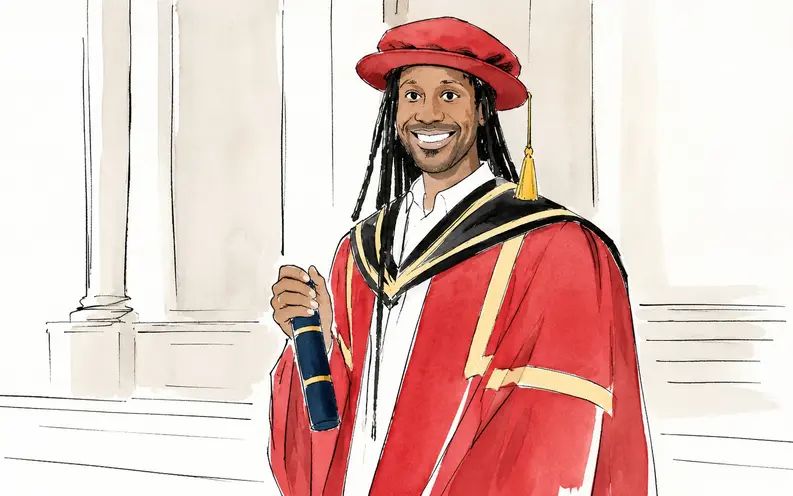
The Federal Government has introduced a sweeping policy prohibiting recipients of honorary degrees from using the title “Dr” before their names in any official, academic, or professional context.
The directive, announced by Minister of Education Tunji Alausa, classifies such usage as a misrepresentation of academic credentials—an act that will now be treated as academic fraud, carrying legal and reputational consequences.
New Rules to Restore Academic Integrity
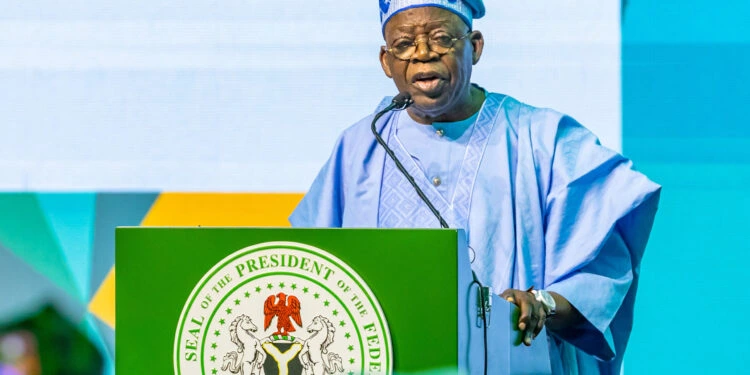
Speaking at the Presidential Villa in Abuja after a Federal Executive Council (FEC) briefing, Alausa explained that the new policy aims to curb the long-standing abuse and politicisation of honorary degrees across Nigerian universities.
According to him, honorary degrees have increasingly been awarded for political patronage and financial influence, undermining their credibility and the integrity of Nigeria’s academic system.
Under the new regulation:
- Honorary degree recipients must not prefix “Dr” to their names
- Instead, they must clearly indicate the honorary nature of the award after their name
For example:
- Chief Adewale Johnson, D.Lit. (Honoris Causa)
- Mrs Zainab Bello, LL.D. (Hons.)
Limited Categories of Honorary Degrees
The government has also streamlined the types of honorary degrees Nigerian universities can award. Institutions are now restricted to conferring only four categories:
- Doctor of Laws (LL.D)
- Doctor of Letters (D.Lit)
- Doctor of Science (D.Sc)
- Doctor of Humanities (D.Arts)
Additionally, universities that do not run active PhD programmes are barred from awarding honorary degrees altogether.
Stricter Oversight and Enforcement
The policy will be enforced by the National Universities Commission in collaboration with the Federal Ministry of Education.
Authorities plan to monitor university convocation ceremonies and ensure compliance across institutions.
Alausa noted that all honorary certificates must explicitly include terms like “Honorary” or “Honoris Causa” to prevent confusion with earned academic qualifications.
The government also intends to publish an annual list of legitimate honorary degree recipients, helping to protect the value of earned doctorates.
Background: Years of Concerns
For over a decade, Nigeria’s academic community has raised concerns about the commercialization of honorary degrees.
Attempts to regulate the practice—such as the 2012 Keffi Declaration by university leaders—lacked legal backing and were largely ineffective.
With FEC approval, the new directive now carries full executive authority, marking a decisive move to restore credibility to academic honours in Nigeria.

Implications
This policy is expected to:
- Reinforce the distinction between earned and honorary academic titles
- Deter institutions from indiscriminate award practices
- Promote transparency and merit in academic recognition
Officials say the reform is part of a broader effort to rebuild trust in Nigeria’s higher education system and ensure that academic titles reflect genuine scholarly achievement.