The UK is facing a growing risk of jet fuel shortages as supplies fall to “critically low levels”, raising the prospect of rationing just as the summer travel season approaches.
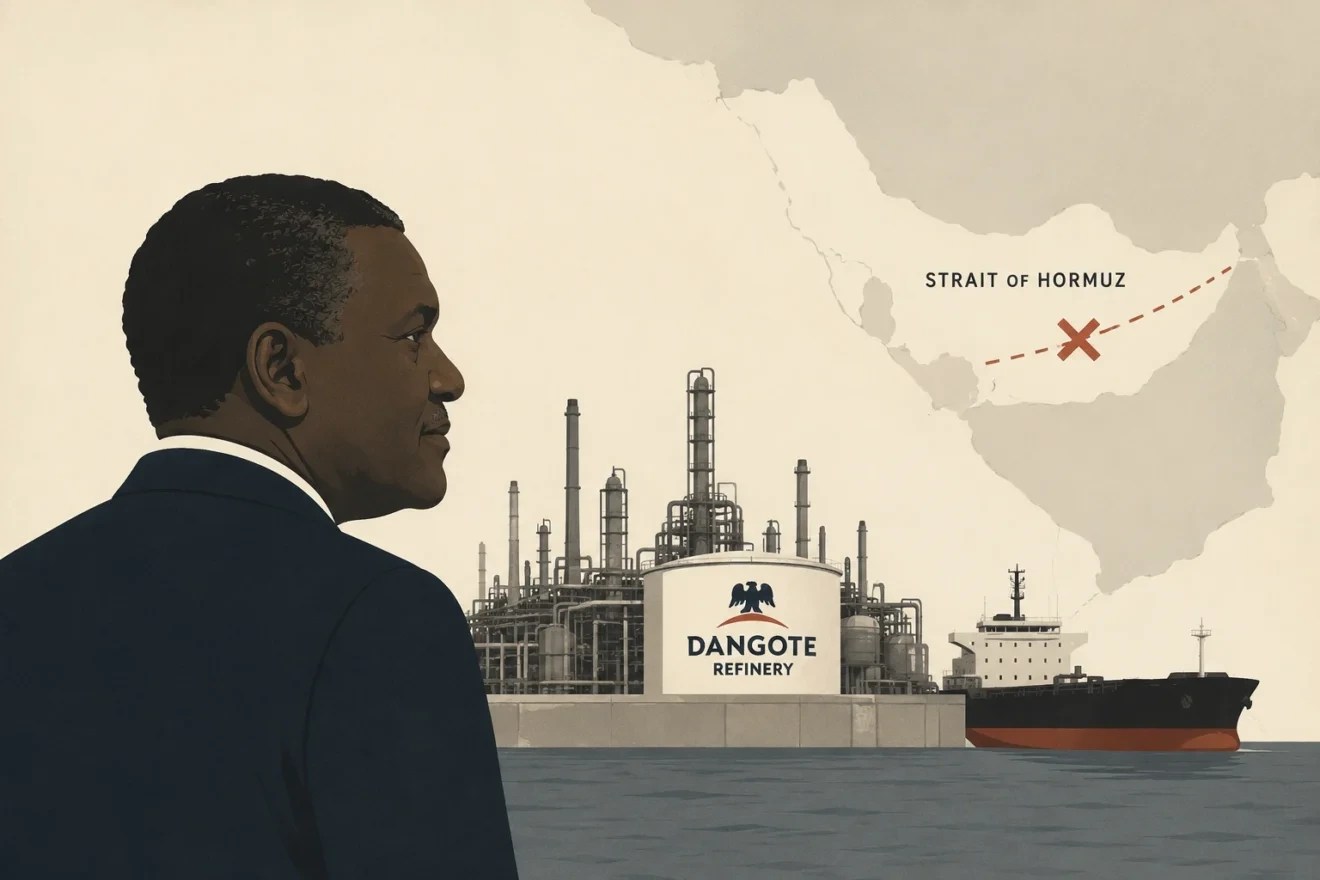
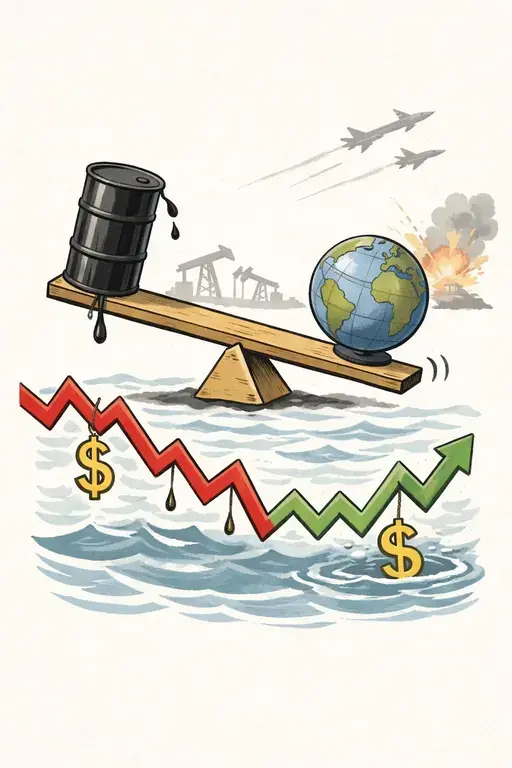
The الأزمة is being driven by disruptions linked to the ongoing Iran conflict 2026, which has led to the closure of the Strait of Hormuz—a key artery for global oil shipments.
According to a research note from Goldman Sachs, the shutdown has created “extreme tightness” in jet fuel supply across Europe, with the UK emerging as the most exposed market.
UK ‘Most Exposed’ to Supply Shock
“The UK is the largest net importer of jet fuel in Europe, and it holds no strategic reserves, leaving commercial inventories as the primary buffer,” Goldman Sachs analysts said.
“As a result, inventories in some countries, especially the UK, could fall to critically low levels, increasing the likelihood of rationing measures.”
The Gulf region accounts for roughly one-fifth of globally traded fuel, making the disruption particularly severe for European markets that depend on these supplies.
Prices Surge, Airlines Cut Capacity
Jet fuel prices have doubled since the conflict escalated on 28 February, triggering a wave of cost-cutting measures across the aviation industry.
Airlines have already removed around two million seats from flight schedules this month, as carriers scramble to manage rising fuel costs and constrained supply.
Major airline groups are warning of further financial pressure:
- International Airlines Group (IAG), owner of British Airways, has signalled ticket price increases, saying it is “not immune” to fuel volatility.
- Air France-KLM expects a $2.4bn surge in its annual fuel bill.
- American Airlines forecasts fuel costs rising by more than $4bn.
Meanwhile, Michael O’Leary, chief executive of Ryanair, said competitors were “desperately” searching for flights to cancel.
However, Wizz Air has sought to reassure passengers, stating its summer schedule remains “fully stable and unaffected”.
Government and Regulators Prepare Response
Authorities are now bracing for potential disruption to peak-season travel.
The European Commission is expected to issue guidance to airlines on fuel management, as uncertainty persists over how long supply constraints will last.
“We are preparing for all eventualities,” said Anna-Kaisa Itkonen.
In the UK, Transport Secretary Heidi Alexander is expected to warn that flight cancellations could affect summer holidays, with contingency plans under development.
These measures could allow airlines to consolidate routes and adjust schedules to cope with shortages.
Prime Minister Keir Starmer has also cautioned that travellers may need to reconsider their holiday destinations.
Analysts say the crisis is being compounded by the UK’s declining refining capacity.

The closure of Grangemouth Refinery in April 2025—previously Scotland’s only oil refinery—has reduced domestic production, while uncertainty surrounds the future of the Prax Lindsey Oil Refinery.
With limited ability to refine jet fuel locally and no strategic reserves in place, the UK remains heavily exposed to global supply shocks—just as demand for air travel peaks.