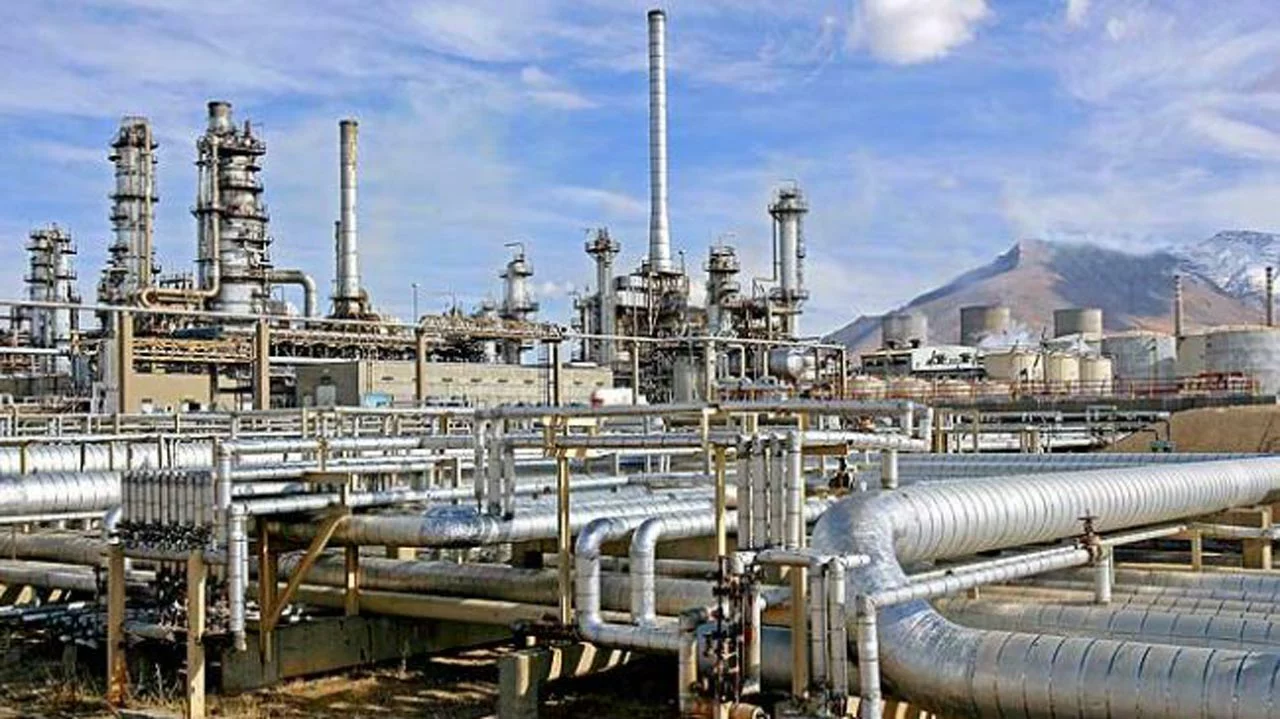
The NNPC Limited has signed a fresh agreement with two Chinese firms aimed at accelerating the long-delayed rehabilitation and expansion of Nigeria’s state-owned refineries, marking a significant shift in the country’s refining strategy.
The Memorandum of Understanding (MoU) was signed with Sanjiang Chemical Company Limited and Xingcheng (Fuzhou) Industrial Park Operation and Management Co. Ltd in Jiaxing City, China, on April 30, 2026.
The agreement was executed by the Group Chief Executive Officer of NNPC Ltd, Bashir Bayo Ojulari, alongside the Chairman of Sanjiang Chemical Company, Guan Jianzhong, and Chairman of Xingcheng Industrial Park, Bill Bi.
Shift to Technical Equity Partnership Model
According to a statement by NNPC’s Chief Corporate Communications Officer, Andy Odeh, the MoU sets the groundwork for a Technical Equity Partnership, a model designed to move beyond traditional contractor-led refinery repairs.
Under this structure, partners will not only contribute technical expertise but also take equity stakes, tying their returns directly to the operational performance of the refineries.
“This is an important step toward identifying partners to restart and expand NNPC’s refineries and explore opportunities in co-located petrochemicals and gas-based industries,” Ojulari said.
The agreement targets the rehabilitation and long-term operation of key facilities, including:
- Port Harcourt Refinery
- Warri Refinery
NNPC stated that the collaboration will extend beyond repairs to include full-scale operation, maintenance, and performance optimisation, with the goal of achieving global efficiency standards.
Expansion Into Integrated Energy Hubs
Beyond restoring refining capacity, the partnership will explore expansion projects aimed at transforming the facilities into integrated energy and petrochemical hubs.
This includes:
- Development of gas-based industrial clusters
- Production of cleaner fuels
- Increased output of high-value petrochemical products
Ojulari emphasised that modern refineries must evolve beyond fuel production.
“Refineries must evolve into integrated industrial platforms—petrochemicals, fertilisers, and gas monetisation. That is how real economic value is created,” he said.
Addressing Decades of Refinery Underperformance
Nigeria’s state-owned refineries in Port Harcourt, Warri, and Kaduna have suffered decades of inefficiency, repeated shutdowns, and failed rehabilitation efforts.

Despite billions of dollars spent on turnaround maintenance, the facilities have consistently operated below capacity, forcing Africa’s largest oil producer to rely heavily on imported refined petroleum products.
The new partnership model signals a departure from past approaches, with a stronger emphasis on:
- Accountability
- Operational efficiency
- Technology transfer
- Performance-based returns