The Federal Government has directed fuel marketers to grant airline operators a 30-day credit facility and sell aviation fuel directly to them, in a bid to address Nigeria’s worsening jet fuel shortage and rising prices.
The move follows a series of high-level meetings convened by the Nigerian Midstream and Downstream Petroleum Regulatory Authority (NMDPRA), alongside an earlier stakeholders’ session held by the Ministry of Aviation and Airspace Management on April 22–23, 2026.
The engagements brought together officials from the Ministries of Aviation and Petroleum Resources, as well as key industry stakeholders, including the Federal Airports Authority of Nigeria (FAAN), Nigerian Airspace Management Agency (NAMA), Nigerian Civil Aviation Authority (NCAA), airline operators, and aviation fuel marketers.
Pricing Concerns and Proposed Band
According to an executive summary obtained in Abuja, stakeholders called for urgent regulatory intervention to stabilise aviation fuel prices.
They urged authorities to review pricing components tied to international benchmarks.
To address volatility, the committee recommended that NMDPRA engage relevant bodies to adjust pricing premiums linked to global benchmarks such as Platts.
A new indicative pricing band was subsequently agreed:
₦1,760 – ₦1,988 per litre in Lagos
₦1,809 – ₦2,037 per litre in Abuja
The pricing range is based on Platts average figures recorded between April 17 and 23, 2026.
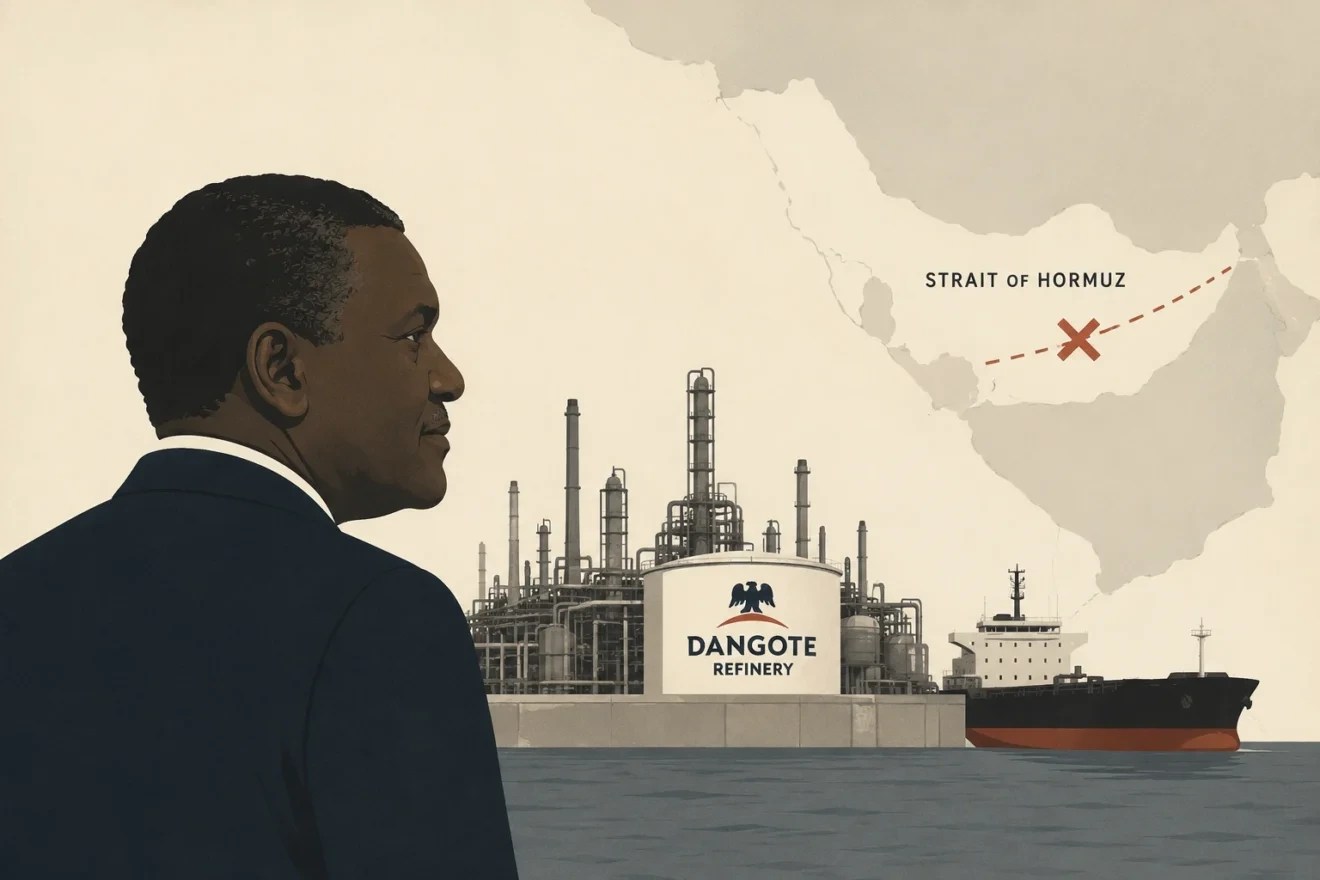
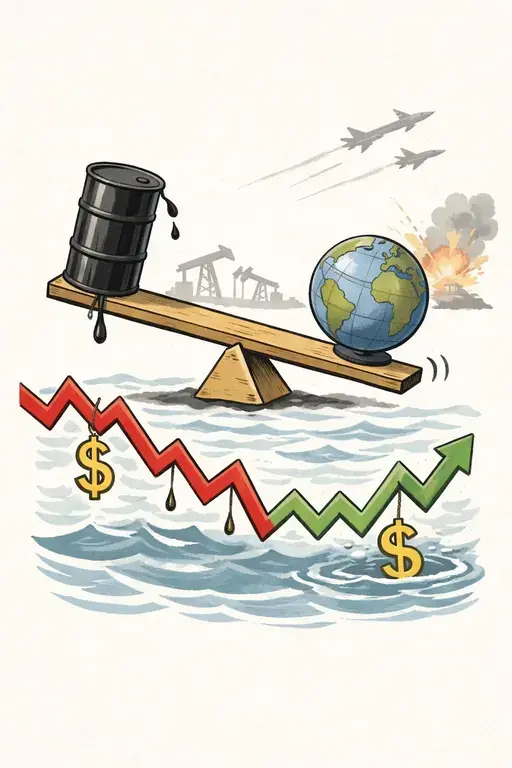
However, stakeholders warned that prices could rise further outside this window due to ongoing global oil market volatility, including tensions linked to the U.S.–Iran conflict.
Direct Supply, Fewer Distributors
As part of efforts to streamline operations, regulators were advised to reduce the number of airside fuel distributors, limiting participation to companies with proven infrastructure and operational capacity.
NMDPRA is expected to collaborate with FAAN and NCAA to validate and trim the number of qualified distributors.
Debt Crisis and Credit Support
The issue of mounting debt between airlines and fuel marketers also featured prominently. The Ministry of Aviation has been tasked with facilitating discussions to resolve outstanding obligations.
To ease financial pressure on airlines, marketers were encouraged to introduce flexible payment terms, including a 30-day credit window for fuel purchases.
In addition, stakeholders recommended including Aviation Turbine Kerosene (Jet A1) in the Federal Government’s naira-for-crude initiative to reduce foreign exchange exposure and stabilise pricing.
Industry Under Pressure
Nigeria’s aviation sector continues to grapple with high and unstable Jet A1 prices, which account for a significant portion of airline operating costs.
Over the past two years, fuel prices have surged beyond ₦1,000 per litre at various points, forcing airlines to increase ticket fares and scale back operations.
The current projections highlight the sector’s vulnerability to global oil price swings, worsened by geopolitical tensions.
Airlines Spend Over ₦7m Per Flight
Airlines say the crisis has reached alarming levels, with operators now spending over ₦7 million to fuel a single domestic flight.
Ibom Air revealed it currently spends about ₦7.6 million per flight, up from an average of ₦2.1 million earlier in the year.
The airline described the situation as unprecedented, noting a more than 350 per cent increase in fuel costs within seven weeks.
Despite the surge, airlines say they have been unable to significantly raise fares due to competitive pressures and economic realities, forcing them to absorb heavy losses.
Operators warn that if the situation persists, they may be forced to cut capacity or reduce flights, potentially disrupting services nationwide.
Wider Industry Risks
The aviation fuel crisis is further compounded by a growing debt burden of over ₦9 billion owed by airlines to ground handling companies.
The Aviation Ground Handlers Association of Nigeria has issued a seven-day ultimatum, threatening to withdraw services — a move that could disrupt both domestic and international flights.
Affected companies include:
Skyway Handling Company of Nigeria Plc
Nigerian Aviation Handling Company Plc
Butake Handling Company
Precision Handling Company Limited
Swissport Handling Company

Outlook
Industry stakeholders warn that without swift implementation of the proposed measures — including direct fuel sales, pricing reforms, and credit support — Nigeria’s aviation sector risks deeper operational disruptions.
Airlines maintain that stabilising fuel costs is critical not only for their survival but also for sustaining air travel and economic activity across the country.