In the fight against rising diabetes cases, many people have made bold changes — cutting out fizzy drinks, avoiding sweets, and ditching desserts.
Yet, despite these efforts, sugar consumption remains surprisingly high.
Why?
Because sugar has not disappeared from diets — it has simply taken on new forms, hiding in foods widely perceived as healthy.
Health experts warn that this shift may be contributing to the steady rise in lifestyle-related conditions, including type 2 diabetes, especially among young adults and urban populations.
The Illusion of Healthy Eating
For many, switching from processed “junk” foods to natural alternatives feels like a win.
But this transition often comes with a hidden cost.
Foods marketed as nutritious — from fruit juices to granola and yoghurt — can contain significant amounts of sugar, sometimes rivaling soft drinks and desserts.
The real danger lies in perception.
When people believe a food is healthy, they tend to consume more of it, unknowingly increasing their sugar intake.
Fruit Juice: A Glass Full of Sugar



A glass of orange juice is often seen as a nutritious way to start the day.
However, one serving can contain about 20–21 grams of sugar — comparable to some carbonated drinks.
Even freshly squeezed juice does not escape scrutiny. Once the fibre is removed, the sugar becomes concentrated and is absorbed quickly into the bloodstream, causing spikes in blood sugar levels — a concern for those managing or trying to prevent diabetes.
Honey: Nature’s Sweet Deception

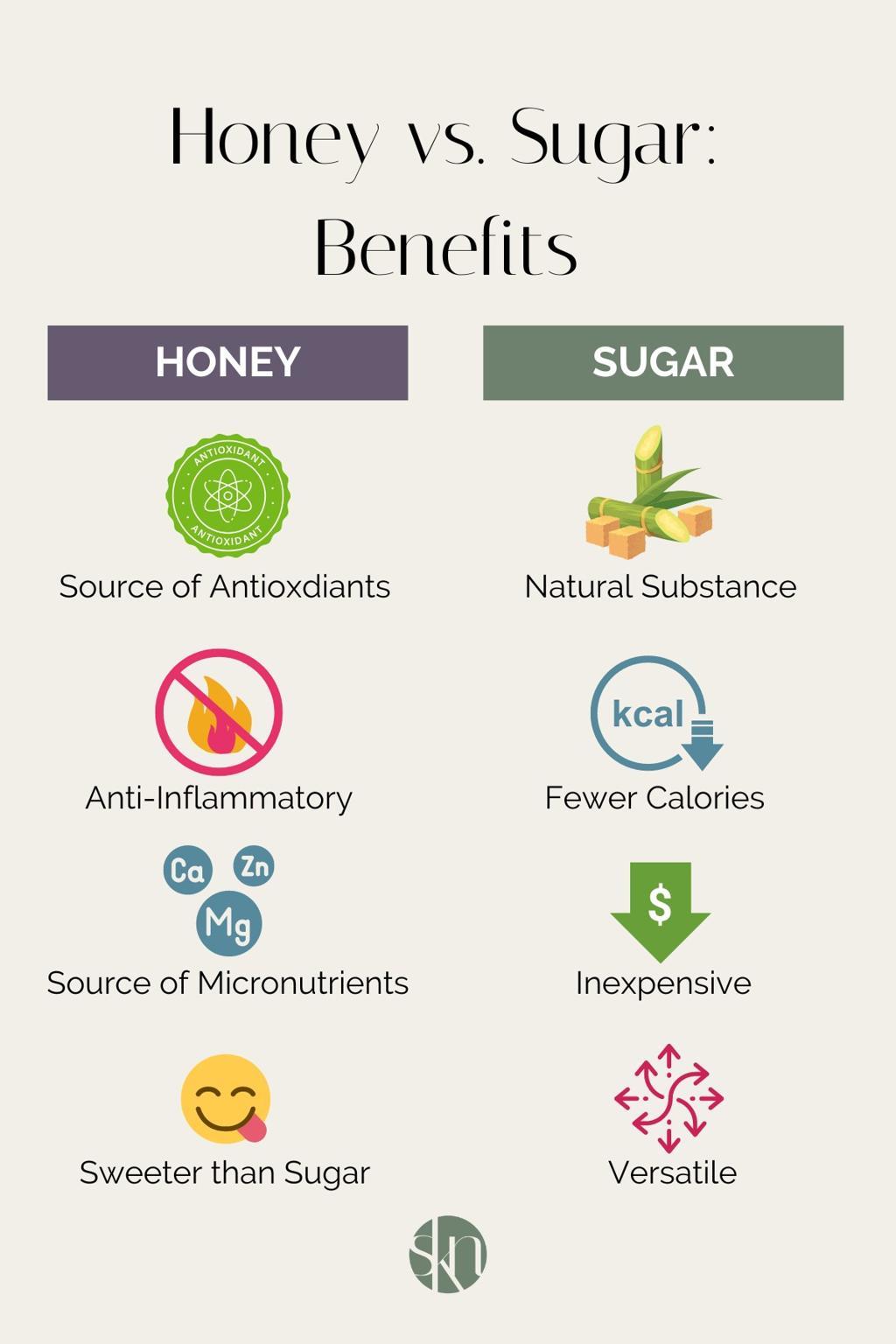

Honey is often promoted as a healthier substitute for refined sugar.
But nutritionally, it tells a different story.
A tablespoon of honey contains roughly 16 grams of sugar — significantly more than the 10 grams found in white sugar.
For individuals adding multiple spoonfuls daily to tea, pap, or smoothies, sugar intake can quickly exceed recommended limits.
Experts emphasise that “natural” does not automatically mean safe — especially for those at risk of diabetes.
Granola: The Fitness Food That Isn’t Always Fit

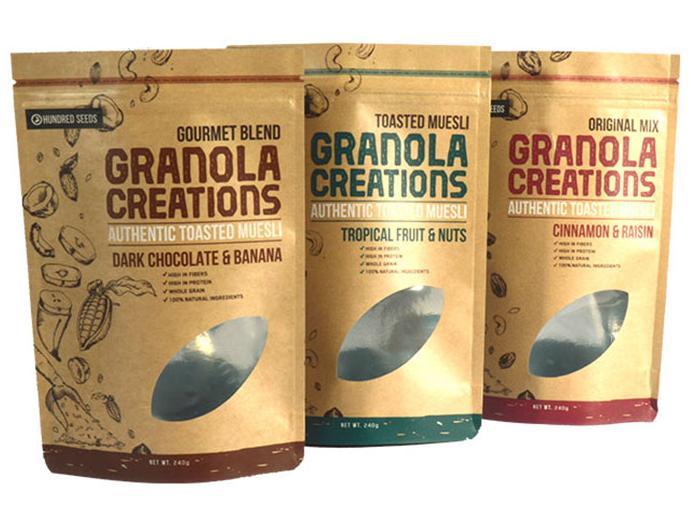
Granola has built a reputation as a wholesome breakfast option.
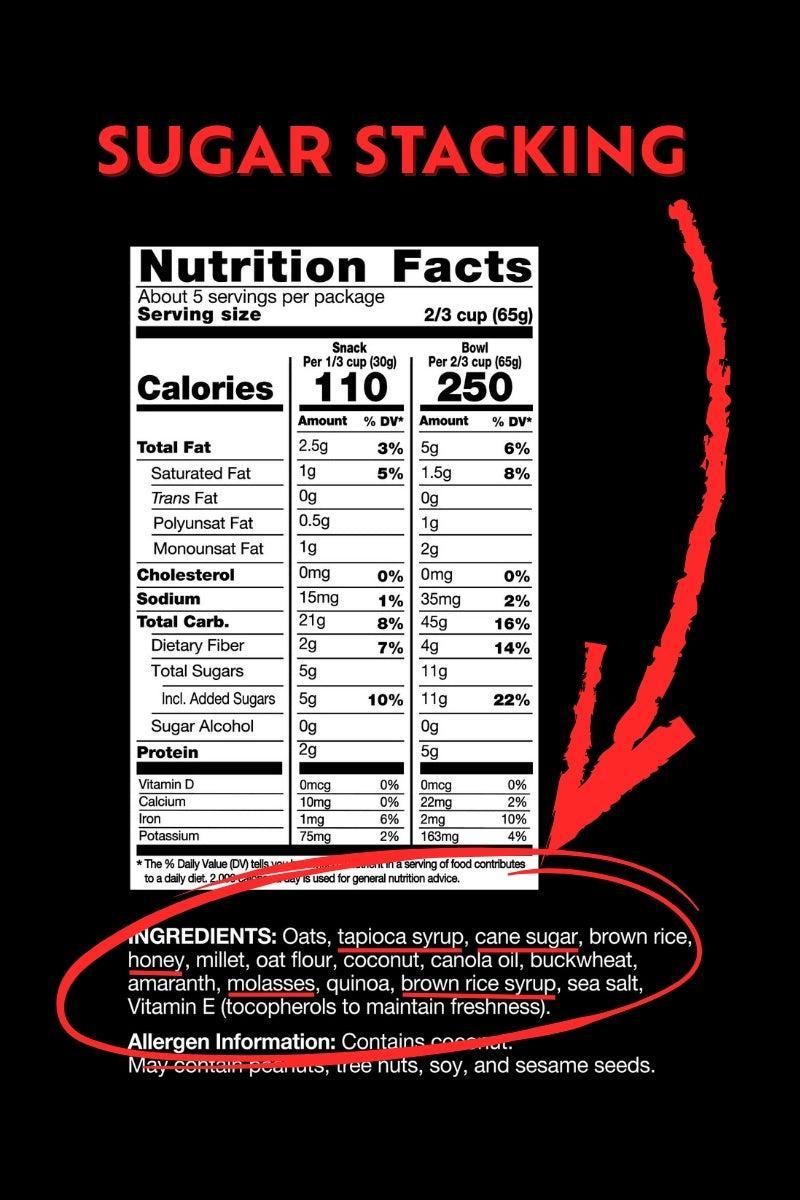
However, many commercially available brands contain between 24 and 32 grams of sugar per cup.
Often sweetened with honey, syrups, or dried fruits, granola can quickly turn into a high-sugar meal — especially when paired with milk or yoghurt.
Nutritionists describe it as one of the most misleading “health foods” in modern diets.
Flavoured Yoghurts: Dessert in Disguise


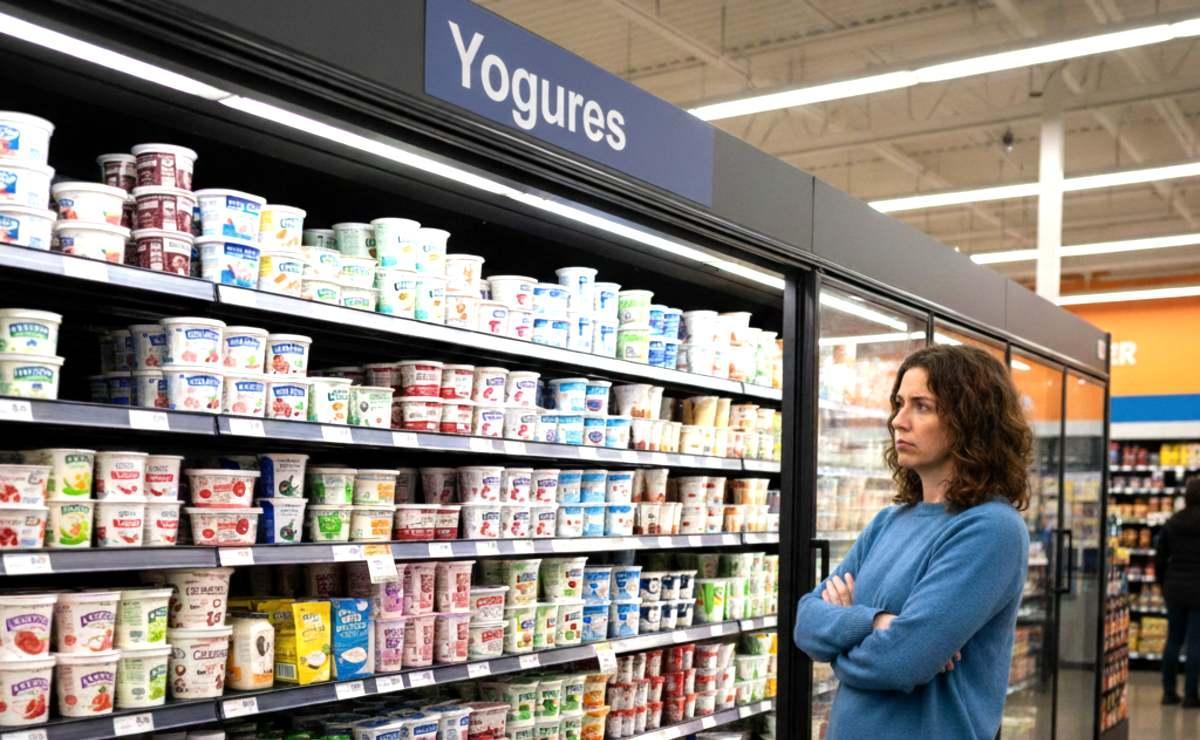
Yoghurt is widely associated with gut health and balanced nutrition.
But flavoured varieties often contain added sugars that significantly increase their calorie load.
Some single servings pack up to 30–34 grams of sugar — placing them closer to desserts than healthy snacks.
For individuals monitoring blood sugar levels, plain yoghurt with fresh fruit is often a better alternative.
Dried Fruits: Small But Sugar-Dense
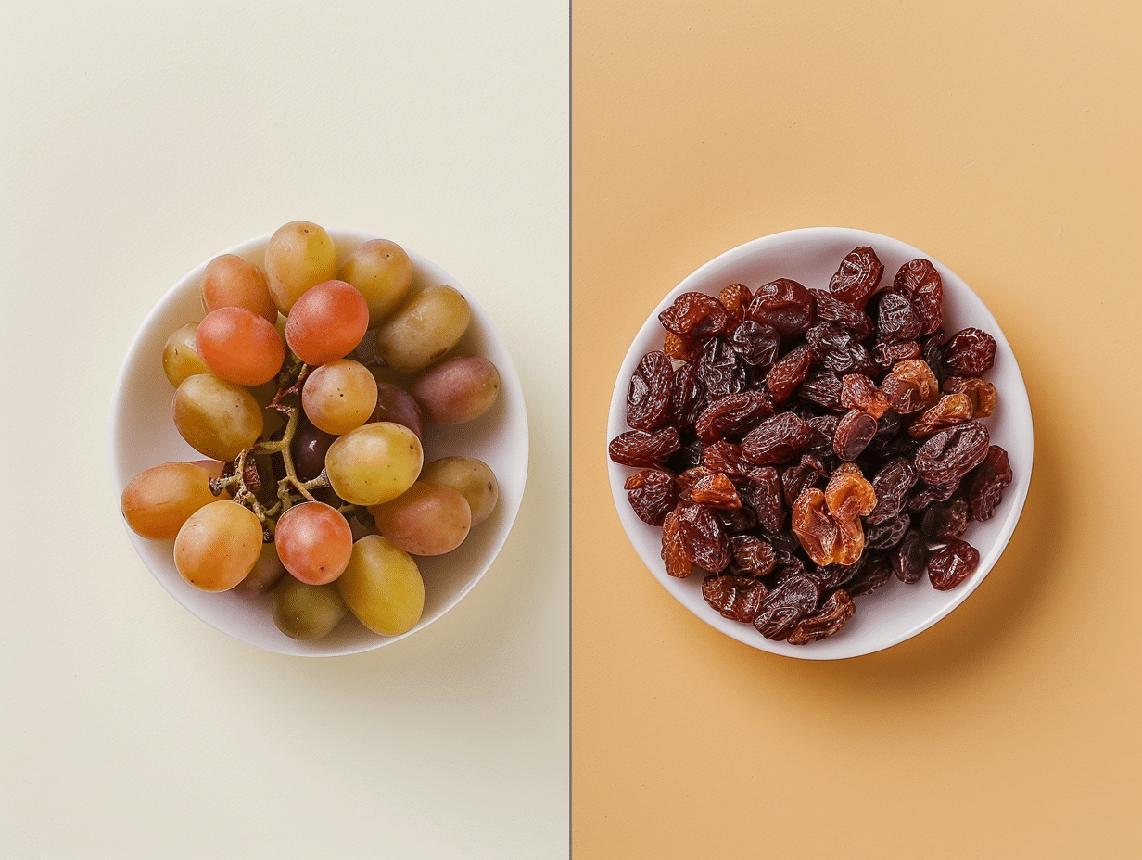
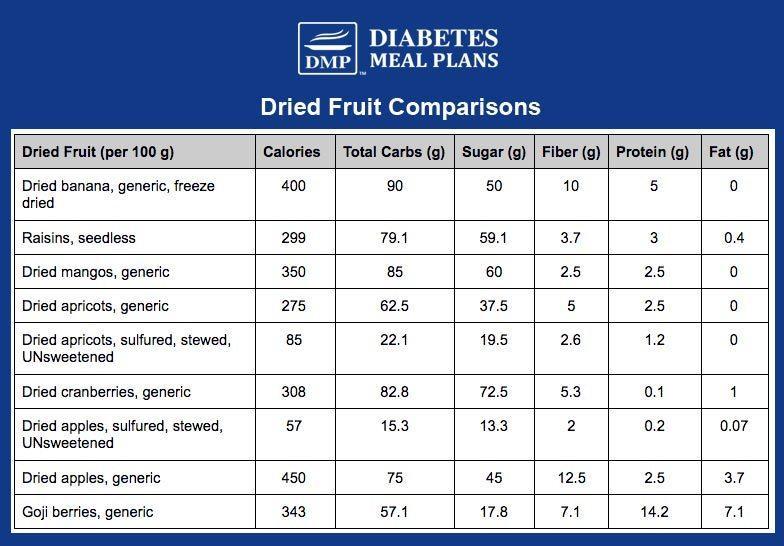

Dried fruits are commonly recommended as a convenient and healthy snack.
However, the drying process removes water and concentrates sugar.
A small handful can contain nearly 30 grams of sugar — far more than the same portion of fresh fruit.
This makes portion control essential, particularly for those managing diabetes or aiming to reduce sugar intake.
The Bigger Issue: Hidden Sugar and Diabetes Risk
The real concern is not just sugar itself, but how easily it goes unnoticed.
Many people assume that eliminating obvious sources like soda and sweets is enough.
But hidden sugars — embedded in everyday foods — can accumulate rapidly.
This misunderstanding plays a critical role in rising diabetes rates, as consistent high sugar intake contributes to insulin resistance over time.
Rethinking What “Healthy” Means
Health experts advise that true healthy eating goes beyond labels and marketing claims.
It requires awareness.
Consumers are encouraged to:
- Carefully read nutrition labels
- Watch out for added sugars and syrups
- Limit portion sizes of high-sugar “healthy” foods
- Prioritise whole, unprocessed meals
Understanding what goes into your body is key to preventing long-term health issues.
Final Word
Cutting out sugar is not always as simple as avoiding sweets.
Sometimes, the biggest sources of sugar are hiding in plain sight — dressed as healthy choices.

For those concerned about diabetes and overall wellbeing, the goal should not just be to eliminate obvious sugar sources, but to recognise and reduce hidden ones.
Because in today’s diet landscape, what looks healthy…
may not always be harmless.