The World Health Organisation’s Regional Director for Africa, Prof. Mohamed Janabi, says Nigeria currently has no Ebola cases following the medical evacuation of the infected patient and her husband to Switzerland.
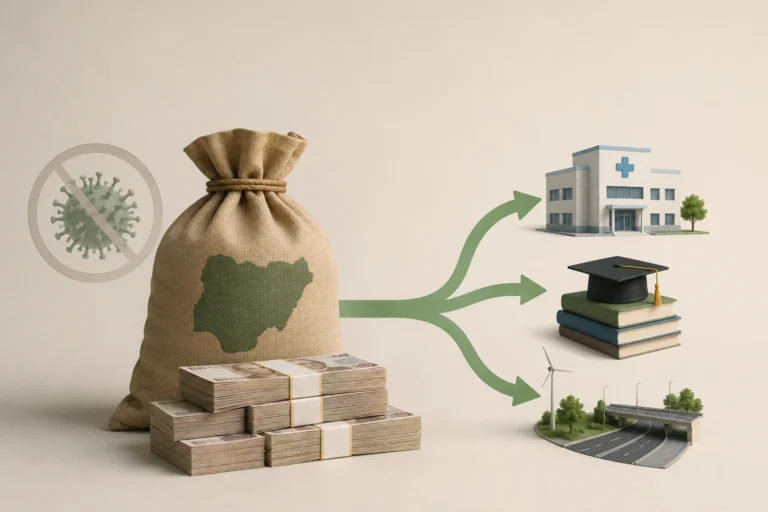
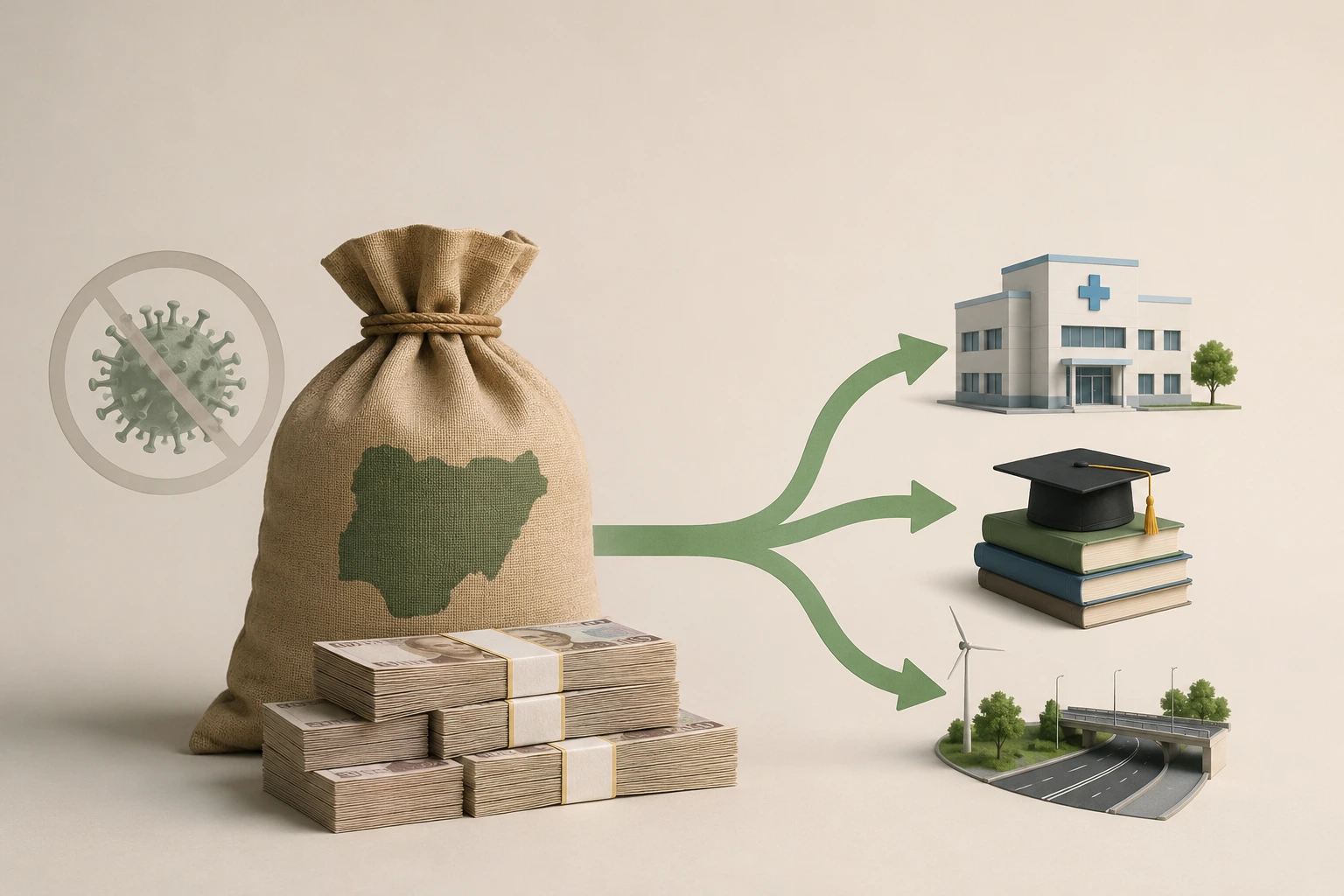
However, besides the sense of relief such news brings lies a deeper question: What happens to the N10B Emergency fund announced by the federal government under the leadership of the president’s Chief of Staff, Femi Gbajabiamila who was swiftly named chairman, Presidential Task Force on Ebola Virus Disease Preparedness and Emerging Public Health Threats.
With there currently being no active Ebola case in the country, citizens have the right to know what happens to the fund earmarked for the Ebola response: Is it still in the coffers, has it being disbursed, who has gotten the money? etc.
APC says N10bn Remains Untouched
The APC Presidential Campaign Council said on October 22 that the N10 billion approved by the President had not been spent.
In a statement signed by its spokesperson, Dele Alake, the council said the Nigeria Centre for Disease Control and Prevention, the Federal Airports Authority of Nigeria and other surveillance agencies had relied on other available resources to carry out their activities.
The council attributed the detection of the imported case and the identification of contacts to the country’s surveillance arrangements, while defending the government’s handling of the public health situation.
However, the statement did not provide financial documents establishing the current status of the N10 billion, explain where the allocation is held or identify the arrangements for its eventual use.
What Money Was Intended to Finance?
The State House said the N10 billion was intended to strengthen the operational preparedness of the NCDC and support critical national public health emergency response activities.
The measures announced alongside the allocation included intensified passenger screening at international airports, enhanced temperature checks, monitoring of travellers on designated high-risk routes, activation of referral and isolation centres at Lagos and Abuja international airports, and the introduction of QR-code-based pre-arrival health declarations for travellers from or transiting through designated high-risk countries.
The Presidential Task Force on Ebola Virus Disease Preparedness and Emerging Public Health Threats was established to coordinate the response. It is chaired by the President’s Chief of Staff, Femi Gbajabiamila, with participation from relevant ministries, departments, agencies and state representatives.
Lawmakers Raise Concerns Over Outstanding Health Funds
Questions about the N10 billion have emerged alongside broader concerns about the availability of funding for Nigeria’s public health response.
On October 21, the House of Representatives urged the Federal Government to release outstanding appropriated funds for relevant health agencies to strengthen surveillance, laboratory investigations, contact tracing and emergency response. The Senate also called for emergency funding and stronger screening arrangements at airports, seaports and designated land borders.
The lawmakers’ interventions raise a further question: if the government says a dedicated N10 billion emergency allocation remains untouched, why are health agencies still seeking the release of outstanding funds?

At a minimum, the Ministry of Finance, the Accountant-General of the Federation, the Ministry of Health and Social Welfare, the NCDC and the Presidential Task Force should clarify the amount formally released, the account or accounts holding the funds, the agencies authorised to access them, any expenditure or contractual commitments, and the balance remaining.
A financial reconciliation and, where appropriate, an independent audit would help establish the facts as Nigerians have a legitimate interest in knowing what the money has accomplished, whether it remains available and how the government intends to account for it.