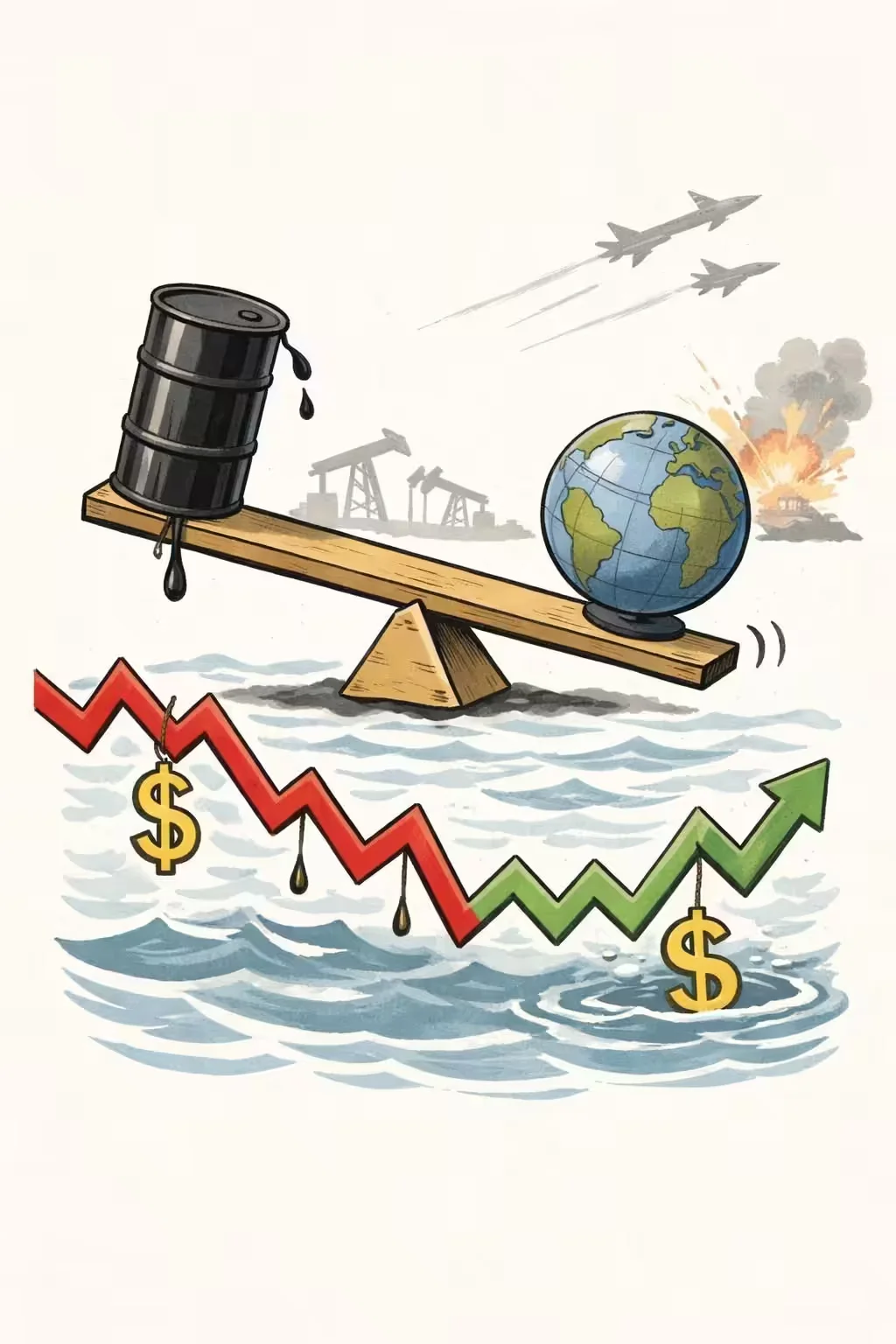
OPEC+ member countries have expressed serious concerns over the damage caused by attacks on energy infrastructure, amid ongoing oil shortages linked to the conflict in the Middle East.
In a joint statement issued following an online meeting, the group emphasised that “restoring damaged energy assets to full capacity is both costly and time-consuming, thereby impacting overall supply availability.”
The statement also underscored the critical importance of safeguarding international maritime routes to ensure the uninterrupted flow of energy, implicitly referencing the Strait of Hormuz. Iran has effectively blocked this vital passageway in response to US-Israeli military actions.

The coalition comprising Saudi Arabia, Russia, Iraq, the United Arab Emirates, Kuwait, Kazakhstan, Algeria, and Oman announced plans to increase oil production by 206,000 barrels per day in May. However, given the blockade of the Strait of Hormuz, through which approximately 20% of global oil trade transits, this production boost is largely symbolic rather than immediately practical.
Data from the International Energy Agency in March revealed that Gulf countries have cut their daily oil production by at least 10 million barrels, nearly 10% of worldwide demand. This reduction is attributed to limited storage capacity for oil that cannot be transported through the Strait of Hormuz.