Global oil prices remained volatile on Tuesday, October 20, 2026, as escalating tensions in the Middle East heightened concerns about potential supply disruptions, offsetting expectations of increased Russian fuel supplies.
Brent crude traded between $108.30 and $110.50 per barrel during the session after briefly reaching a five-month high of around $111 to $112. Prices subsequently eased towards the $108–$109 range.
West Texas Intermediate (WTI) crude futures also recorded mixed movements. The expiring November contract briefly climbed above $110 per barrel, while the more actively traded December contract hovered between $97.40 and $99 per barrel, close to a recent quote of $97.58.
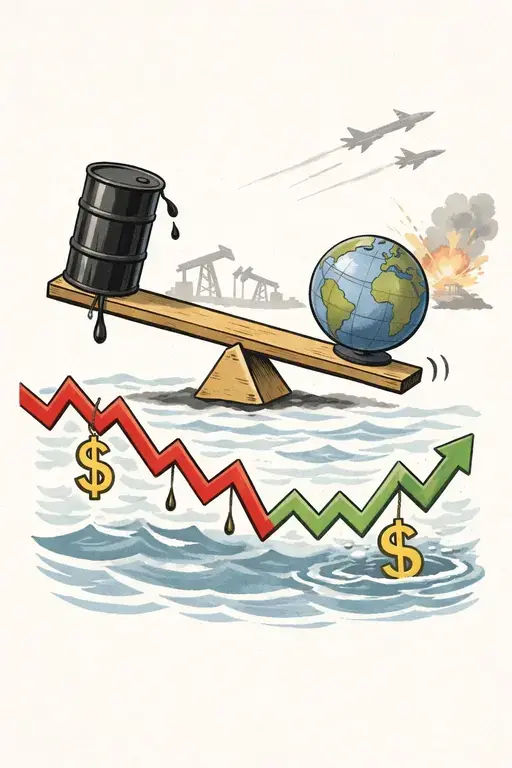
The price movements reflected competing market forces, with geopolitical risks supporting crude prices while expectations of additional oil product supplies and futures-market dynamics contributed to intraday volatility.
Middle East Tensions Support Oil Prices
Geopolitical developments remained a major driver of the oil market, with reported attacks on energy infrastructure and commercial shipping raising concerns about the security of crude oil supplies from the Middle East.
Yemen’s Houthi movement claimed attacks on Saudi energy facilities, including sites associated with Saudi Aramco in Yanbu and the Shaybah oilfield, as well as airports and military targets.
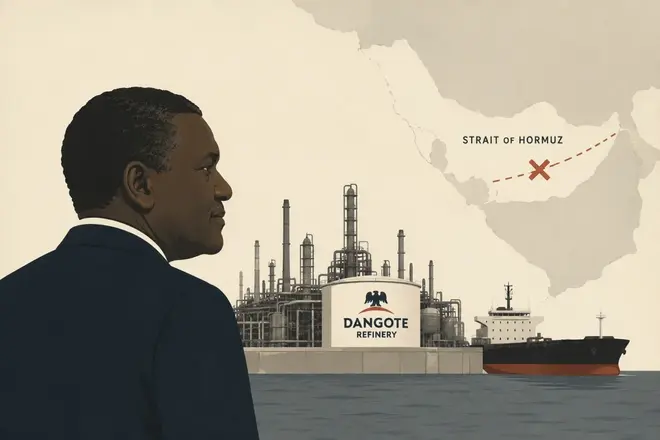
Reports of further vessel incidents in the Persian Gulf and the Strait of Hormuz also heightened concerns about the potential disruption of oil shipments through critical maritime routes. At least 18 vessels were reportedly targeted over a recent two-week period.
The Strait of Hormuz is particularly important to global energy markets because a substantial share of internationally traded oil passes through the waterway. Any sustained disruption could constrain supplies and increase transportation costs, putting additional upward pressure on crude prices.
These risks have helped sustain a geopolitical risk premium in oil prices, as traders assess the likelihood that attacks on shipping and energy infrastructure could affect production, exports and deliveries.
Russia-Related Measures Weigh on Market Sentiment
Some of the upward pressure on oil prices was offset by expectations of increased supplies of Russian petroleum products following a US decision last week to waive certain Russia-related sanctions and tariffs.
The measures raised expectations that additional Russian fuel, including diesel, could reach international markets, potentially easing supply constraints in refined petroleum products.

However, the prospect of additional supplies has competed with concerns that escalating Middle East tensions could disrupt crude production and exports or complicate shipping through the Persian Gulf.
The balance between these opposing forces has contributed to volatility, with traders weighing the potential availability of additional fuel against the risk of supply disruptions.