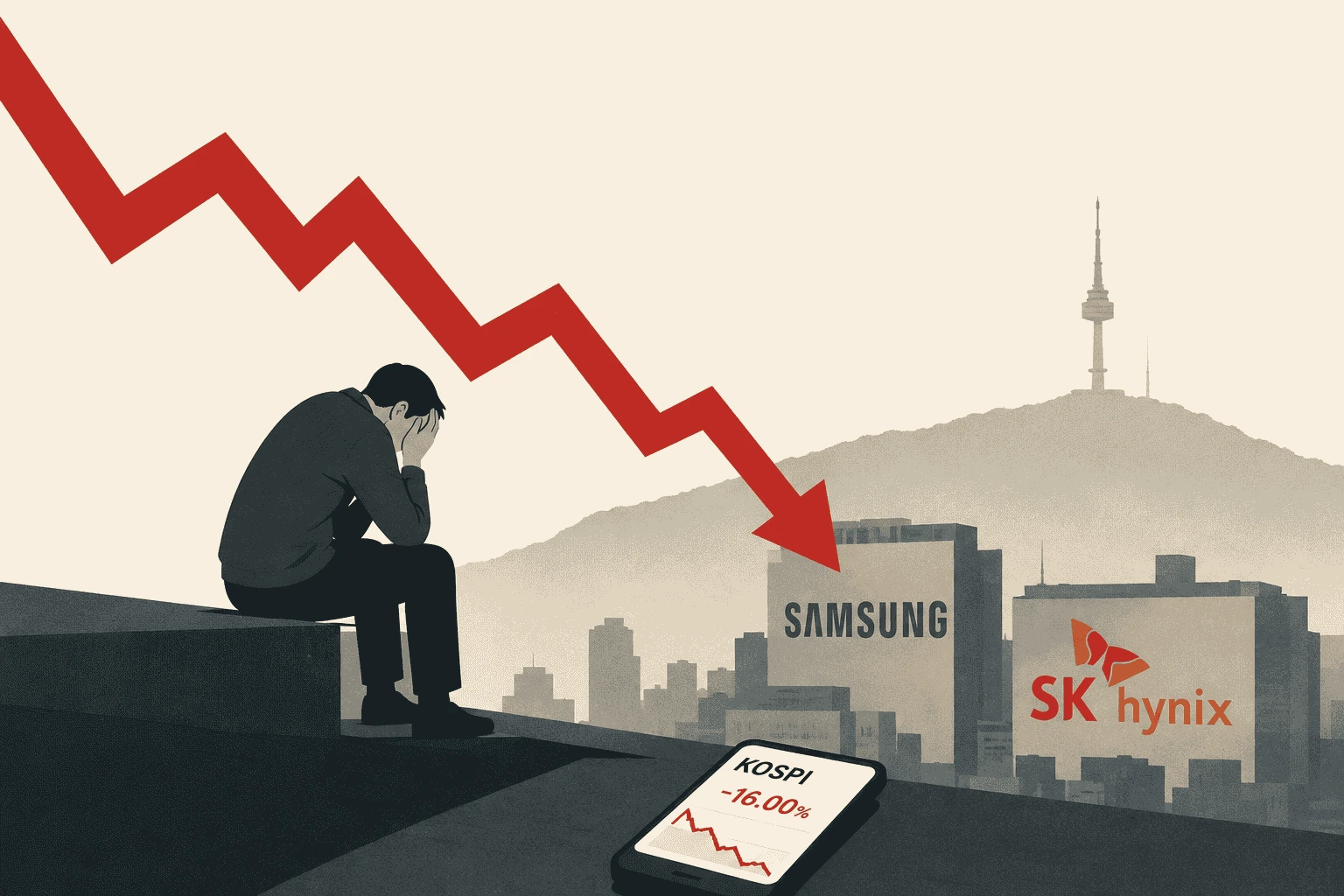
Nvidia has signed a series of strategic partnerships with some of South Korea’s largest technology and industrial companies, strengthening its position at the centre of the global artificial intelligence boom while securing critical supplies of advanced memory chips needed to power next-generation AI systems.
The agreements, announced during Nvidia CEO Jensen Huang’s visit to South Korea, involve major corporations including SK Hynix, SK Telecom, Naver, Doosan Group, LG Group and Hyundai Motor.
The partnerships span AI infrastructure, advanced semiconductor development, cloud computing, data centre expansion and autonomous vehicle technologies, highlighting the growing importance of South Korea in Nvidia’s global AI strategy.
At the heart of the announcements is a multi-year technology partnership between Nvidia and SK Hynix, one of the world’s leading producers of high-bandwidth memory (HBM) chips.
The agreement will see SK Hynix develop and supply advanced memory solutions for AI data centres worldwide, helping Nvidia meet surging demand for its AI processors and computing platforms.
Speaking after a meeting with SK Group Chairman Chey Tae-won, Huang described SK Hynix as Nvidia’s largest memory partner and signalled that the relationship would continue to deepen.
“SK Hynix has been Nvidia’s largest memory partner. SK Hynix will continue to be Nvidia’s largest memory partner,” Huang said.
The Nvidia chief added that the company already purchases billions of dollars worth of memory products from SK Hynix annually and expects procurement volumes to increase substantially in the coming years.
AI Demand Outpacing Industry Capacity
The partnership comes as global demand for AI infrastructure continues to accelerate, placing unprecedented pressure on semiconductor manufacturers.
Huang noted that even SK Hynix’s ambitious plan to double wafer production capacity by 2030 may not be sufficient to satisfy future AI demand.
Industry analysts believe the agreement reflects a broader shift within the memory industry, where manufacturers are increasingly developing customised products tailored to the specific requirements of major AI customers.
The growing demand for high-bandwidth memory has transformed memory chips from largely commoditised products into strategic assets critical to AI development.
New Data Centre Partnerships
Beyond semiconductors, Nvidia also announced collaborations with SK Telecom, Naver and Doosan Group aimed at expanding AI data centre infrastructure.
The companies plan to deploy Nvidia technologies to build and operate advanced AI computing facilities capable of supporting large-scale generative AI applications, cloud services and enterprise workloads.
The partnerships are expected to strengthen South Korea’s ambition to become a major regional hub for artificial intelligence development and digital infrastructure.
Samsung Cooperation Discussions Continue
Huang also confirmed ongoing discussions with Samsung Electronics regarding future collaboration on next-generation technologies, including HBM5 memory chips, semiconductor foundry services and autonomous driving processors.
The talks suggest Nvidia is seeking to diversify its supply chain while maintaining access to the most advanced semiconductor manufacturing capabilities globally.
South Korea Emerges as Key AI Partner
The latest agreements underscore South Korea’s growing importance in the global AI ecosystem.
With leading positions in memory chip production, telecommunications infrastructure and advanced manufacturing, South Korean firms have become increasingly vital partners for companies racing to expand AI capabilities.

For Nvidia, the partnerships provide access to critical technologies and supply chains needed to sustain its rapid growth, while South Korean companies gain deeper integration into the AI value chain that is reshaping the global technology industry.
As competition intensifies among major AI players, the new agreements position both Nvidia and its South Korean partners to benefit from what industry leaders expect to be years of continued investment in artificial intelligence infrastructure.