In a move that highlights the growing influence of artificial intelligence in healthcare, Novo Nordisk has announced a major partnership with OpenAI, the company behind ChatGPT.
The goal is simple but ambitious: to bring new and better treatments to patients faster.
For millions of people living with obesity and diabetes worldwide, that promise could be life-changing. But the partnership also raises a deeper question: how far will AI go in medicine—and are we ready for it?
What the Deal Means
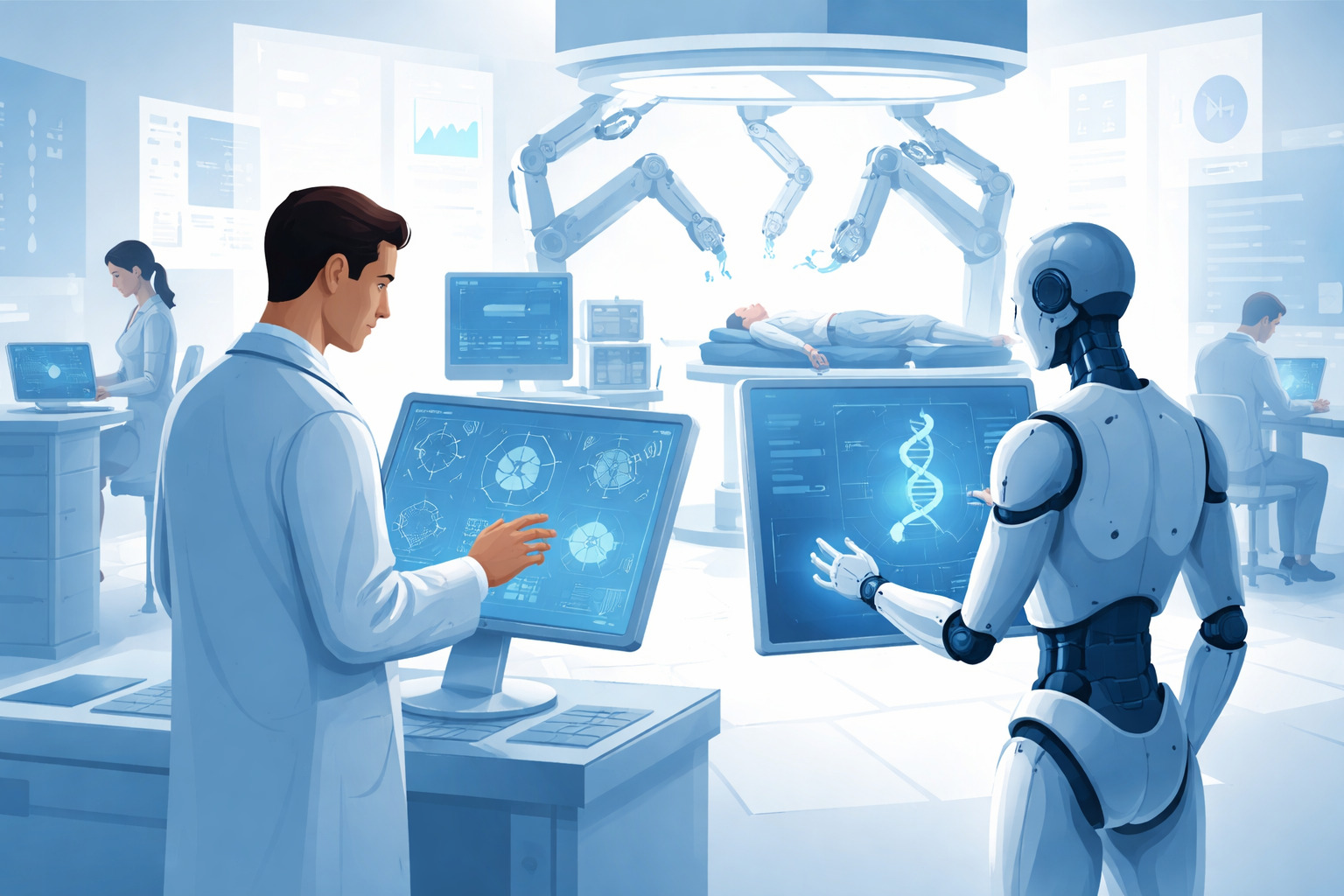
The collaboration will allow Novo Nordisk to integrate OpenAI’s technology across its research and development pipeline.
This includes:
- Analyzing massive biological datasets at unprecedented scale
- Identifying promising drug candidates earlier
- Reducing the time from discovery to patient treatment
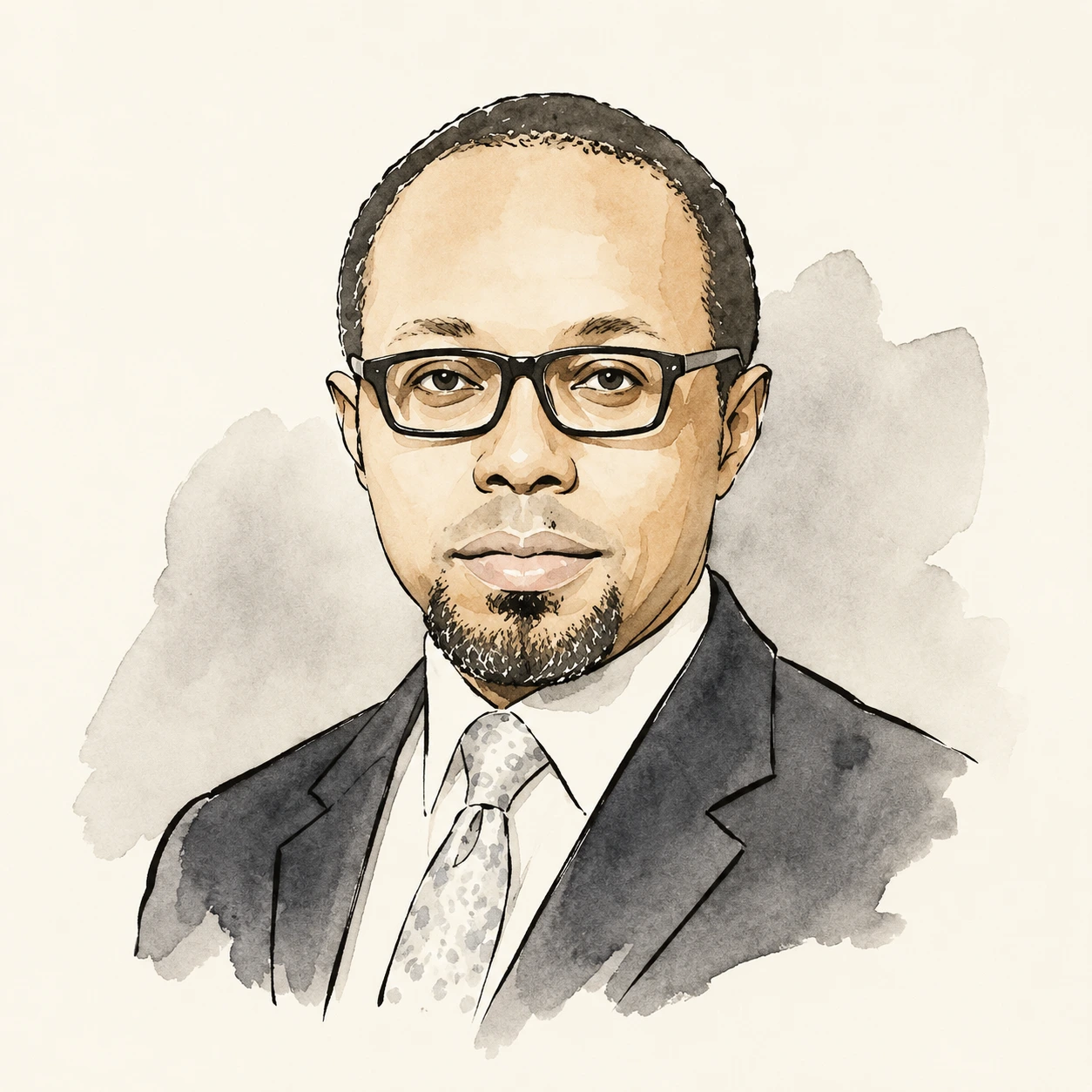
According to CEO Mike Doustdar:
“Integrating AI into our everyday work allows us to analyze data at a scale previously impossible, uncover hidden patterns, and test hypotheses faster than ever.”
OpenAI CEO Sam Altman has also emphasized AI’s potential to help people live longer and healthier lives.
The market responded quickly—Novo Nordisk’s stock rose following the announcement, reflecting growing investor confidence in AI-driven drug discovery.
This partnership builds on Novo’s earlier collaboration with Nvidia, which leverages advanced supercomputing to accelerate research.
Together, these moves signal a broader shift: pharmaceutical companies are rebuilding their scientific infrastructure around AI.
A Sector Under Rapid Transformation
Novo Nordisk is not alone. Across the healthcare industry, artificial intelligence is reshaping:
- Clinical trial design
- Patient recruitment
- Drug-target discovery
- Diagnostic imaging
- Medical record analysis
However, experts caution that AI is not yet fully integrated end-to-end.
Most real-world gains today come from targeted applications, not complete automation.
Key Industry Trends
- 66% of physicians used AI tools in 2024
- AI-assisted robotic surgery can reduce operative time by 25%
- The global surgical robotics market is projected to reach $64.4 billion by 2034
The Rise of AI in the Operating Room
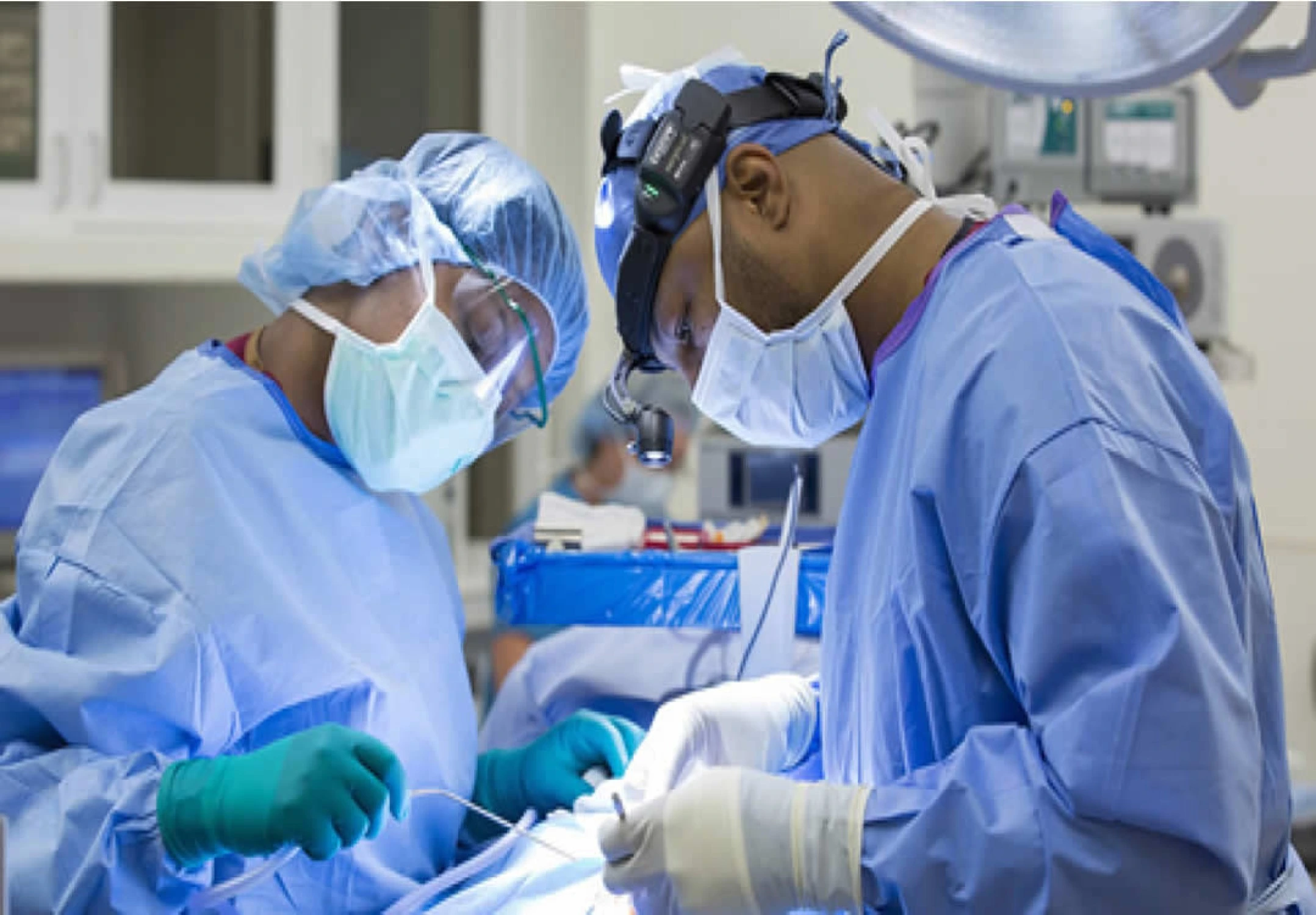
One of the most dramatic developments is happening in surgery.
Researchers at Johns Hopkins University recently unveiled a system capable of performing parts of surgery autonomously.
The robot learned by analyzing hours of surgical footage and successfully completed complex procedures in testing environments.
At the same time:
- Surgeons have performed operations using AI-guided systems without full teams
- Remote robotic surgeries across continents are becoming possible
- AI tools are improving precision and reducing complications
Studies suggest:
- 30% fewer intraoperative complications
- 40% improved surgical precision
Patients benefit through faster recovery, reduced pain, and lower costs.
Will AI Replace Surgeons?
Not anytime soon.
The current model is augmentation, not replacement.
AI systems:
- Assist with real-time decision-making
- Flag risks before complications arise
- Handle repetitive technical tasks
Meanwhile, human surgeons:
- Make critical decisions
- Interpret complex scenarios
- Provide patient-centered care
Companies like Intuitive Surgical are already integrating AI into surgical systems to analyze and improve surgeon performance.
The future may involve highly personalized surgery, where AI draws on millions of past cases to guide each procedure.
Why This Matters for Emerging Markets
For regions with limited healthcare access—such as parts of Lagos and other underserved areas—the implications are significant.
With a projected global shortage of 10 million healthcare workers by 2030, AI-assisted tools could:
- Expand access to specialized care
- Support under-resourced hospitals
- Enable remote and semi-autonomous procedures
This could fundamentally reshape healthcare delivery in developing economies.
The Risks No One Should Ignore
Despite its promise, AI in healthcare introduces serious challenges:
1. Accountability
There is no clear global legal framework for determining responsibility when AI systems make mistakes.
2. Bias in Data
AI trained on Western datasets may not perform equally well across diverse populations, raising concerns for global health equity.
3. Transparency
Many AI systems operate as “black boxes,” making their decisions difficult to interpret.
4. Cybersecurity
Connected surgical systems could be vulnerable to hacking—posing real-time risks during procedures.
5. Human Impact
- Potential erosion of surgical skills
- Reduced human interaction in care
- Job displacement across healthcare roles
The Bottom Line
The partnership between Novo Nordisk and OpenAI marks more than a business deal—it represents a structural shift in modern medicine.
Artificial intelligence is no longer a supporting tool. It is becoming central to how healthcare operates—from drug discovery to surgery.
The real question is no longer if AI will transform medicine.

It already is.
The more pressing questions now are:
- Who benefits?
- Who is protected?
- Who is accountable?
- And can regulation keep pace with innovation?