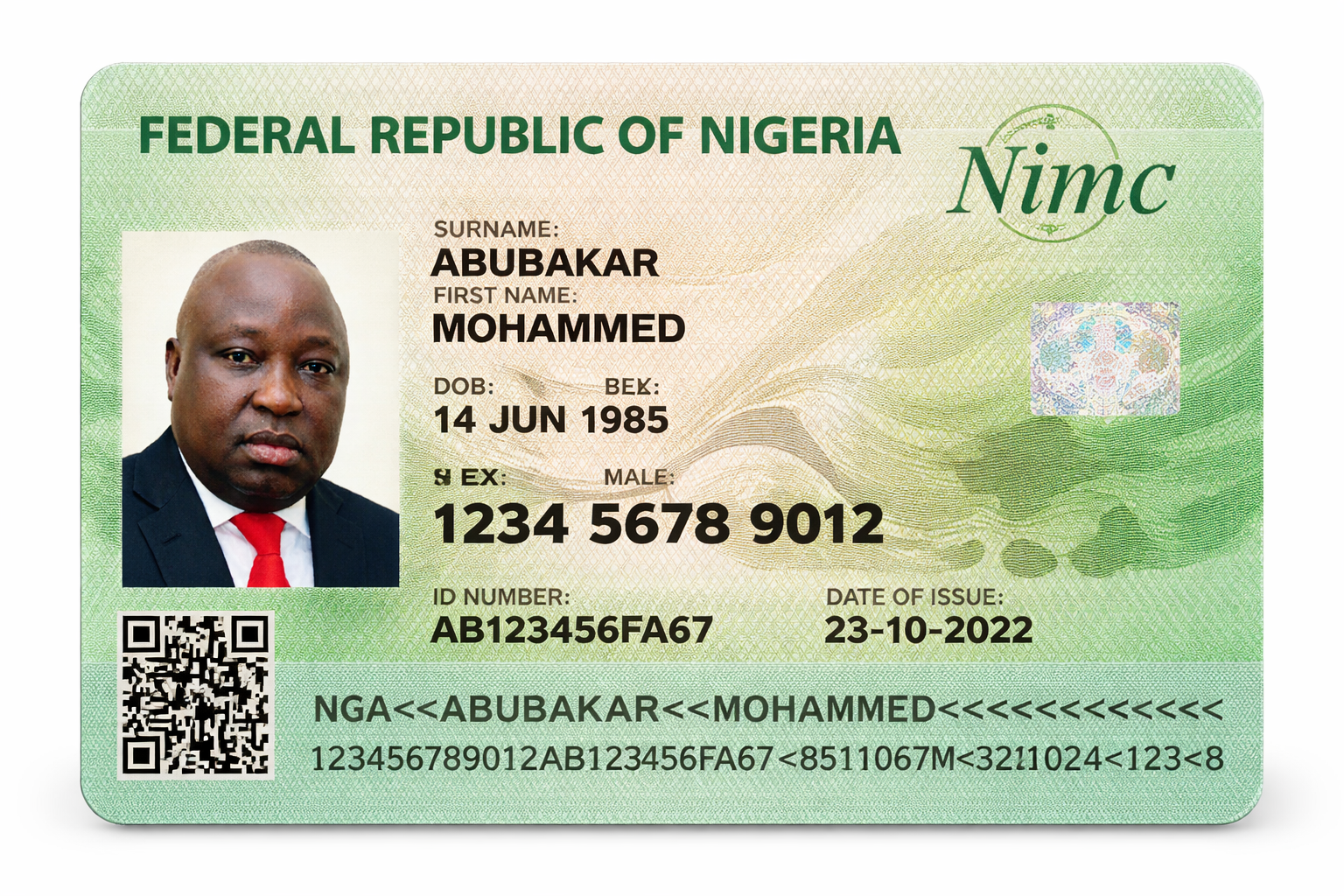
The National Identity Management Commission (NIMC) has announced that more than 136 million Nigerians and legal residents have been enrolled into the National Identity Database, marking a significant milestone as the Federal Government begins implementing a new legal framework to modernise the country’s digital identity system.
The disclosure was made in a statement issued on Tuesday by NIMC’s Head of Corporate Communications, Kayode Adegoke, following a stakeholder engagement between the commission and the Federal Ministry of Budget and Economic Planning on the implementation of the newly enacted NIMC Act.
The new legislation repeals the National Identity Management Commission Act of 2007. It establishes the National Identification Number (NIN) as the foundation of Nigeria’s identity ecosystem under a “one person, one identity” framework. The reform is designed to create a single, trusted identity system for all Nigerians and legal residents.
Under the law, NIMC assumes an expanded role as the country’s root certificate authority for digital identity infrastructure, with additional responsibilities covering digital credentials, cybersecurity, data protection and identity verification.
NIMC Director-General, Abisoye Coker-Odusote, said the commission intends to accelerate enrolment and ensure every Nigerian and legal resident is issued a National Identification Number within the shortest possible time.
“We have successfully enrolled more than 136 million Nigerians and legal residents into the National Identity Database, and NIMC will collaborate with the Ministry of Budget and Economic Planning to leverage the NIN for economic planning and national development initiatives,” she said.
Nigerian Data Reforms
The commission noted that the partnership with the Budget Ministry is expected to improve the use of identity data in national planning, policy formulation and the delivery of government services.
Minister of Budget and Economic Planning, Senator Abubakar Atiku Bagudu, described the new Act as a landmark step towards building a secure, inclusive and efficient identity management system. He stressed that the success of the legislation would ultimately depend on effective implementation and the value it delivers to citizens.
Bagudu also called for stronger collaboration among federal, state and local governments to eliminate duplicate identity databases and promote interoperability across public institutions.
According to the minister, the National Identification Number should become Nigeria’s single, universally accepted identity standard, supporting efficient public service delivery, improved governance and wider access to digital and financial services.

The Federal Government views a comprehensive national identity database as critical to enhancing economic planning, reducing fraud, improving social intervention programmes and expanding financial inclusion.
Nigeria’s identity reform aligns with a growing global trend of leveraging secure digital identity systems to improve governance, streamline service delivery and strengthen trust in digital transactions.