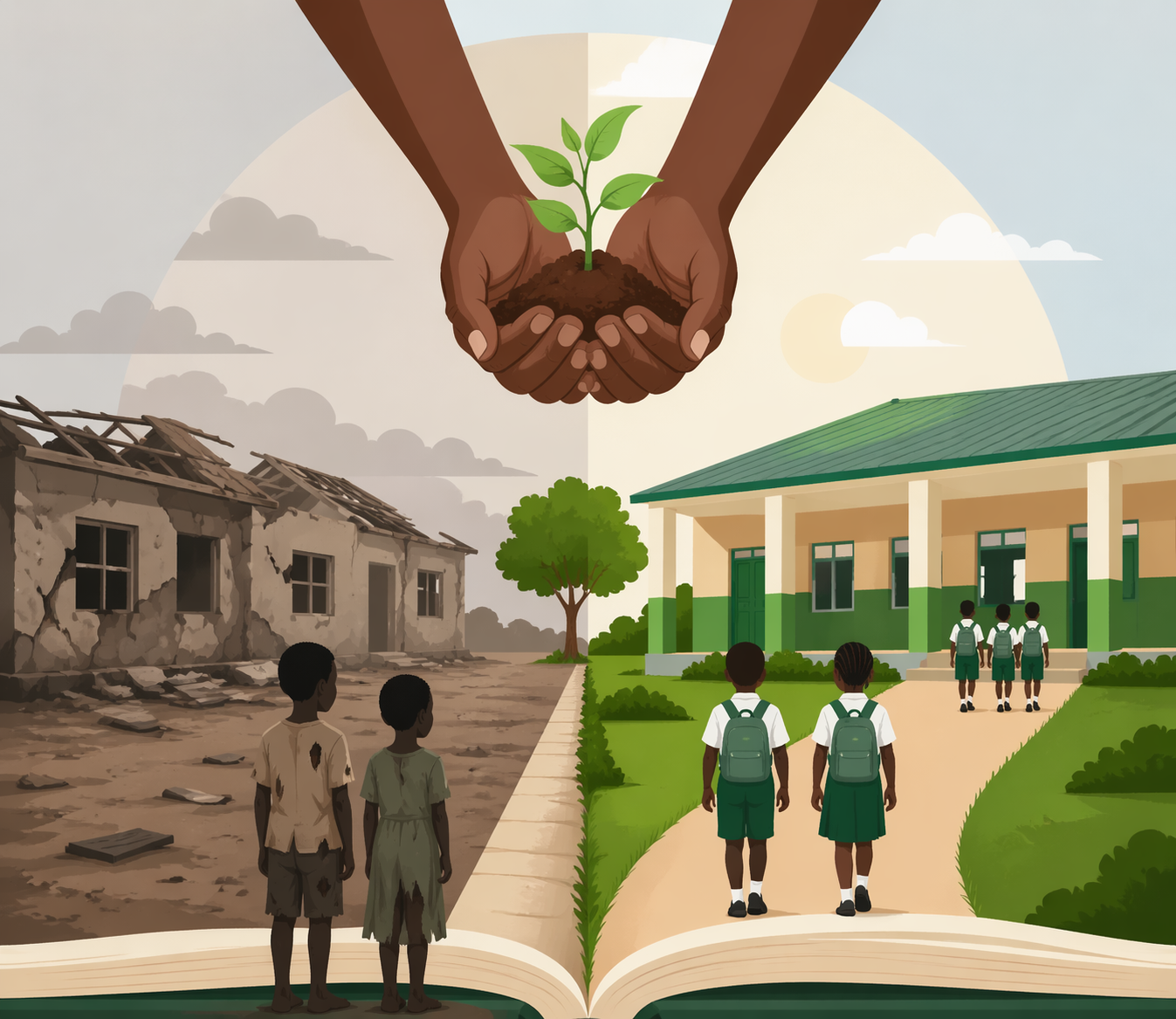
Nigeria’s 36 states recorded a 93% increase in real revenue between 2023 and 2025, but education’s share of total expenditure declined, raising concerns about how governments are allocating the additional resources, according to the World Bank.
The findings are contained in the bank’s latest Nigeria Development Update, which examined how rising public revenues have influenced spending priorities across the federation.
According to the report, states’ aggregate revenue increased by approximately 93% in real terms during the period, while expenditure rose by 92%.
The World Bank attributed the revenue growth partly to exchange-rate reforms, the removal of the petrol subsidy, improved revenue administration and increased allocations from the Federation Account.
States also benefited from refunds, the settlement of longstanding federal obligations, intervention funds and stronger Value Added Tax collections.
However, the increase in public revenue has not translated into a larger share of spending on education.
Education Spending
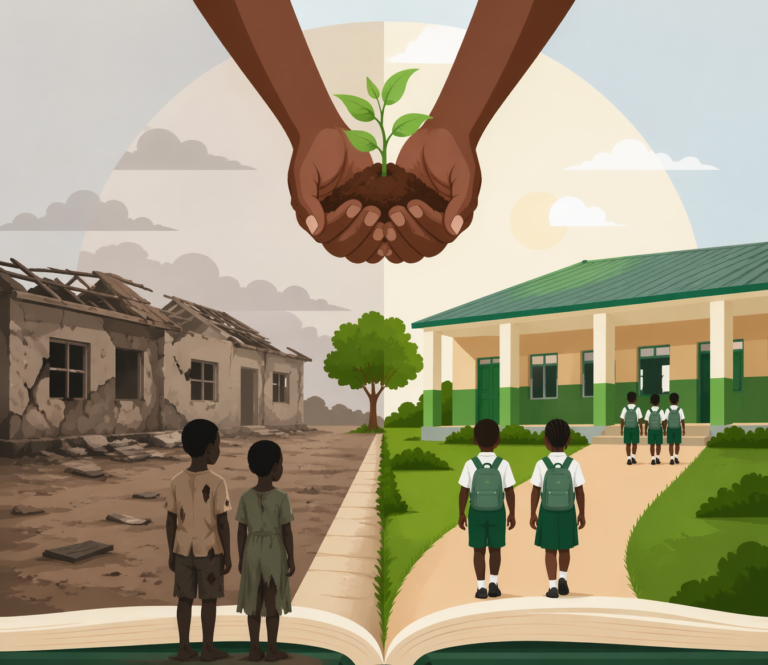
The report showed that education’s share of total state expenditure fell from 14.9% in 2021 to 12.1% in 2025, despite the significant improvement in government finances.
Health expenditure remained broadly stable at approximately 7% of total spending, while social protection’s share increased from 1.4% to 4.4%.
Capital Expenditure Increases
The World Bank reported a substantial shift towards capital spending, which accounted for 61% of state expenditure, compared with 46% previously.
Transport infrastructure recorded the largest increase in spending, alongside significant investments in housing, agriculture and other economic activities.
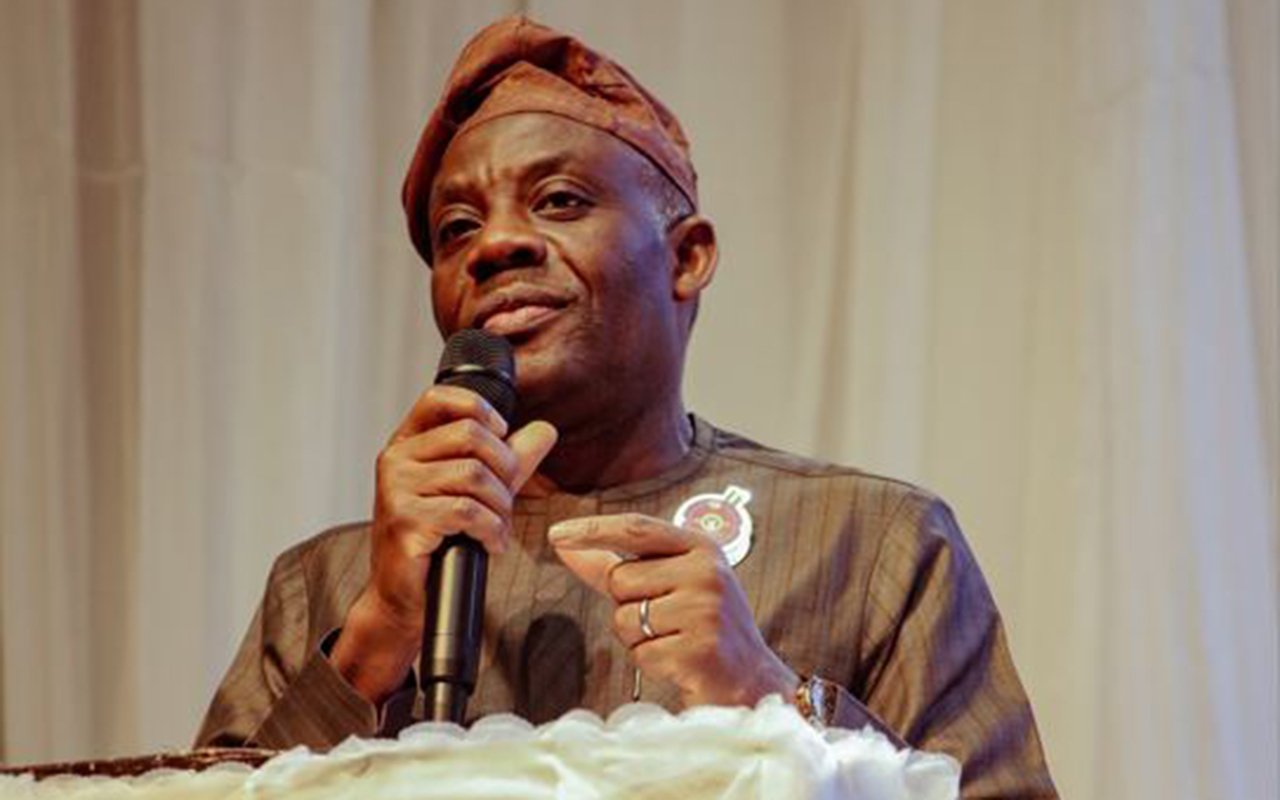
Mathew Verghis, the World Bank Country Director for Nigeria, said the additional revenue provided states with an opportunity to improve infrastructure and strengthen the delivery of essential public services.
He stressed, however, that greater spending efficiency, accountability and improved service delivery were necessary to ensure that additional public resources translated into tangible benefits for citizens.
The report acknowledged improvements in states’ fiscal reporting, transparency and internally generated revenue.
It nevertheless emphasised the importance of stronger investment in human capital, noting that improved education and other essential services would be critical to translating economic reforms into sustainable employment and higher living standards.
World Bank projects 4.4% Economic Growth
The bank projected that Nigeria’s economy would grow by an average of 4.4% between 2026 and 2028, provided reforms are sustained and service delivery improves.
It urged federal and state governments to ensure that increased public revenue results in measurable improvements in citizens’ welfare.

The findings highlight the challenge facing state governments as they benefit from stronger public revenues: balancing infrastructure development with investment in education, healthcare and social protection.
While higher capital spending could support economic activity and improve infrastructure, the declining share allocated to education raises questions about whether states are adequately investing in the human capital needed to sustain long-term growth.