MRS Oil Nigeria Plc has proposed selling its fuel terminal at Apapa Dockyard, Lagos, for a minimum of N80 billion, as the petroleum marketing company moves to dispose of an underutilised asset and redirect capital towards higher-priority business opportunities.
The company’s Board of Directors has recommended an orderly disposal of the terminal through a competitive sale process, with a minimum consideration of N80 billion net before tax.
In a proposal presented to the board sighted by Arbiterz, management recommended that the facility be sold as a whole, on an ‘as is’ basis, arguing that this approach would deliver the best risk-adjusted net value to the company.
A piecemeal sale of the land, storage tanks, equipment and other components could be considered if the assets are legally and commercially separable and the approach is expected to maximise proceeds.
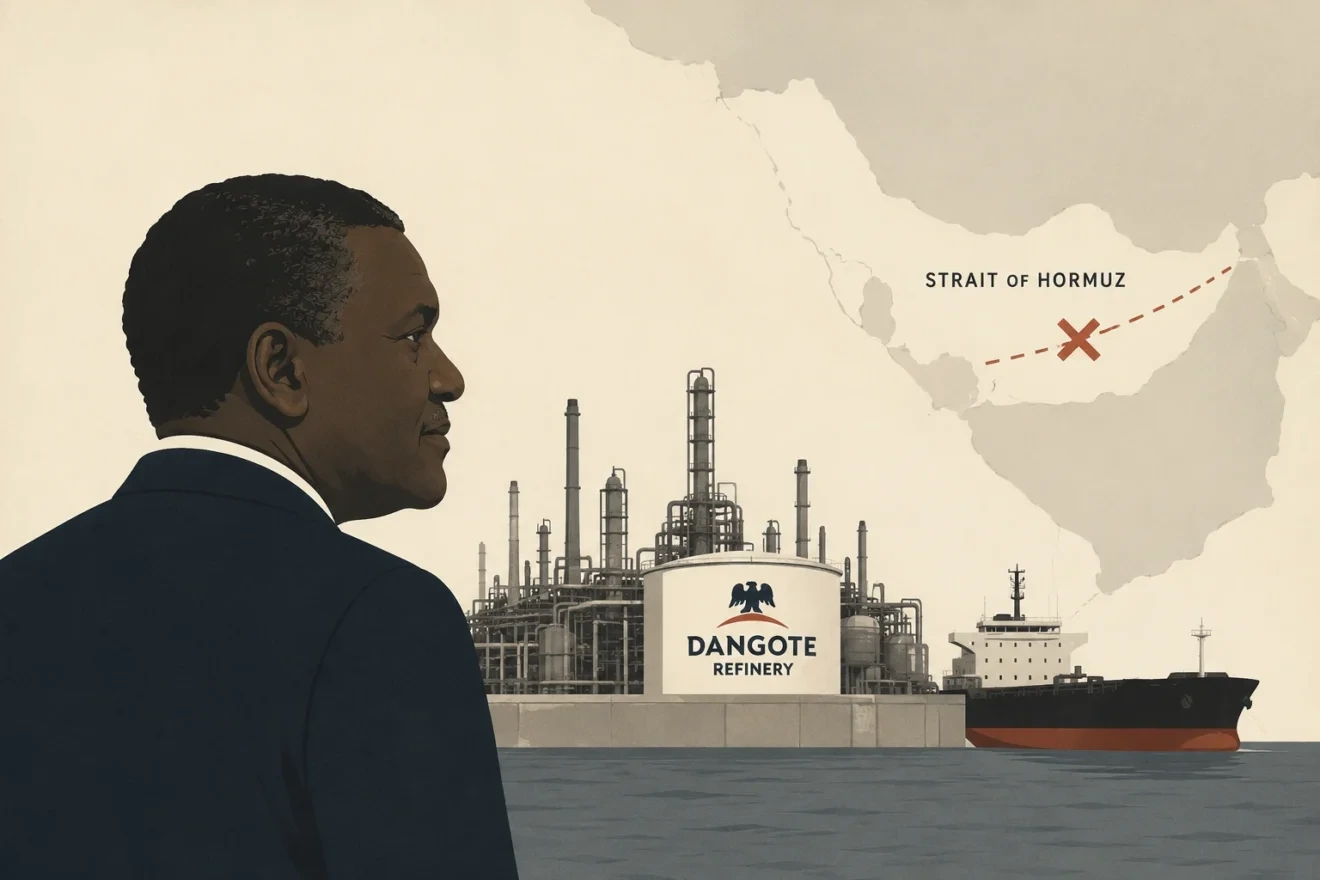
The proposed transaction reflects changes in MRS Oil’s downstream operating model, which increasingly relies on product supplies from the Dangote Petroleum Refinery and the company’s existing distribution infrastructure.
Why MRS Oil Wants to Sell the Terminal
MRS management’s assessment is that the Apapa Dockyard terminal is no longer critical to the company’s product supply chain.
According to the presentation to the board, all relevant product volumes currently move through the Dangote Refinery gantry, while MRS does not presently import or lift petroleum products through coastal routes.
The company therefore considers the terminal a non-core asset that no longer provides a demonstrable strategic advantage to its operations.
MRS Oil also maintains larger storage and terminal infrastructure at Tin Can Island, Apapa, which management identifies as potentially more economical for future coastal sourcing because of its higher storage capacity and operational advantages.
The Tin Can Island facility is also associated with the company’s broader base oil storage and blending operations.
Management said it had evaluated alternative uses for the Apapa Dockyard terminal but found them commercially unattractive.
Converting the facility to dry-bulk operations was considered unviable because of its location, draft limitations and the investment required.

Third-party leasing was also deemed unlikely to generate enough revenue to cover operating and regulatory compliance costs.
Redeveloping the terminal would require capital expenditure considered prohibitive relative to the expected returns.