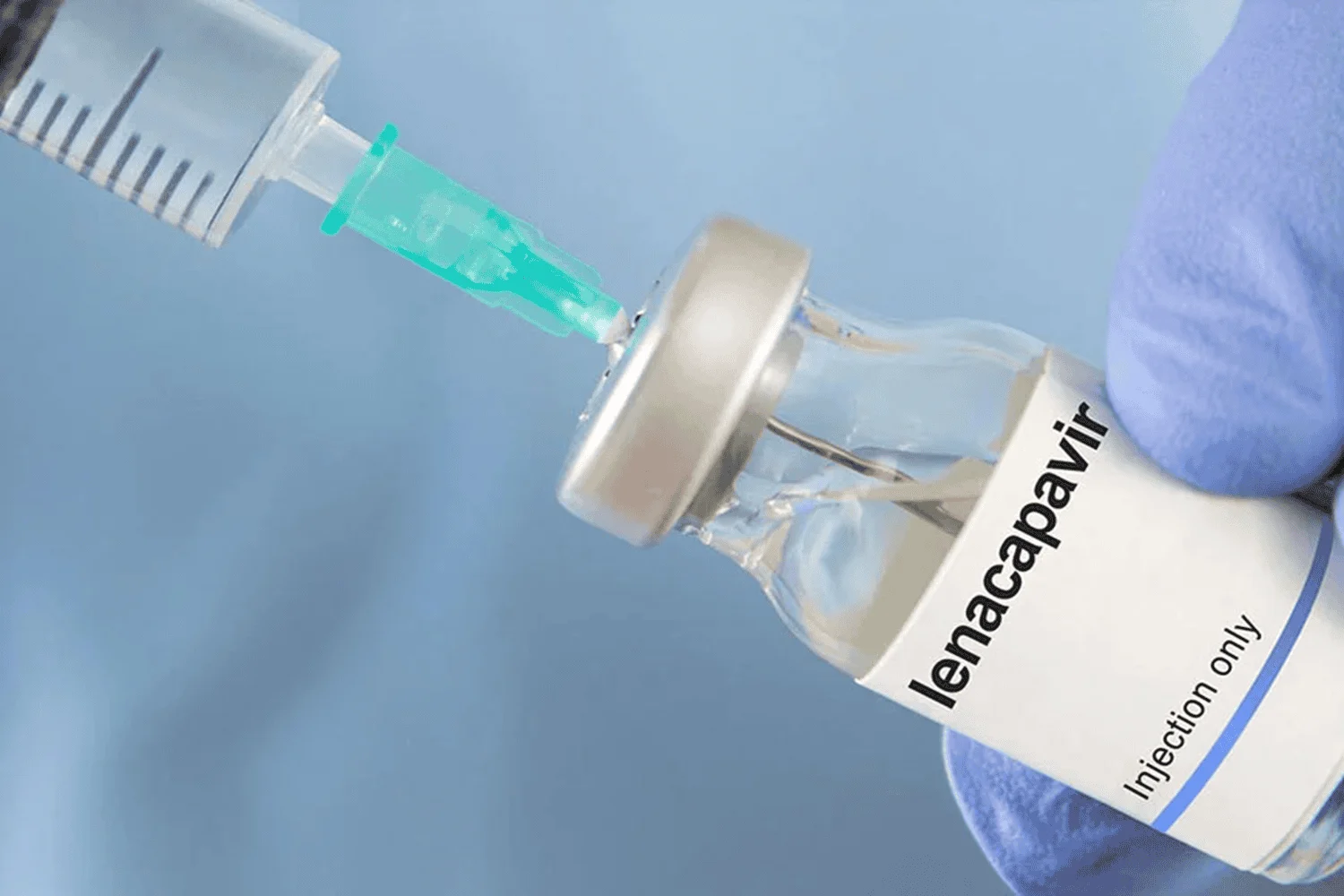
A revolutionary HIV prevention injection hailed by scientists as one of the biggest breakthroughs in decades is beginning to reach communities in South Africa, offering fresh hope in the fight against one of the world’s deadliest epidemics.
The drug, Lenacapavir, requires just two injections a year and has demonstrated more than 99% effectiveness in preventing HIV infection in large clinical trials.
The long-acting medicine has already been described by many public health experts as the closest innovation yet to an HIV vaccine because of its exceptional protection and ease of use.
Its rollout comes after months of international headlines celebrating the drug’s success, including regulatory approvals, landmark clinical trial results and new global funding commitments aimed at expanding access across countries hardest hit by HIV.
A Major Shift From Daily HIV Prevention Pills
Unlike conventional pre-exposure prophylaxis (PrEP), which requires users to take a pill every day, Lenacapavir is administered once every six months through a simple injection.
For many participants involved in South Africa’s early rollout programme, that difference is life-changing.
Young recipients who received their first injections through mobile health clinics say the twice-yearly treatment eliminates the burden of remembering daily medication.
Others say it also removes the stigma often associated with carrying HIV prevention pills, which can lead to misconceptions that the person is already living with HIV.
Several participants reported experiencing little to no side effects and expressed confidence in remaining on the treatment.
Why Health Experts Are Calling It a Breakthrough
Lenacapavir first attracted worldwide attention after the PURPOSE clinical trials produced remarkable results, showing that the drug could prevent virtually all HIV infections among participants when administered as prescribed.
The findings earned the medicine widespread recognition within the scientific community and helped accelerate regulatory approvals in several markets.
Science magazine even named Lenacapavir its 2024 Breakthrough of the Year, underscoring its potential to reshape HIV prevention globally.
Global health organisations have since moved quickly to support wider access, viewing the injectable therapy as a powerful tool for reducing new HIV infections, particularly among populations that struggle with adherence to daily medication.
South Africa Prepares for Wider Distribution
South Africa, which has one of the world’s largest HIV epidemics, is now preparing to expand access to the medicine through hundreds of designated treatment centres.
Health authorities have secured approximately 900,000 doses for distribution next year as demand is expected to grow rapidly.
Community organisations conducting awareness campaigns say interest has been overwhelming, with many young people eager to switch from daily pills to the twice-yearly injection.
Healthcare workers, however, warn that ensuring adequate supply will be essential if the programme is to meet public demand.
Cost Remains the Biggest Obstacle
Despite the excitement surrounding the treatment, affordability remains one of the greatest challenges.
In the United States, the branded version of Lenacapavir carries a price tag of roughly $28,000 per patient annually, making it unaffordable for widespread public use across much of Africa.
To address that challenge, Gilead Sciences, the drug’s developer, has signed licensing agreements with six generic manufacturers to produce lower-cost versions for more than 120 low- and middle-income countries.
The company has also expanded partnerships with the Global Fund and PEPFAR to increase access, with plans to reach millions of people in high-burden countries over the coming years.
Hope for Countries Carrying the Highest HIV Burden
South Africa has recorded millions of HIV-related deaths since the epidemic emerged in the 1990s and continues to carry one of the world’s highest HIV burdens.
Public health experts believe the success of Lenacapavir could dramatically reduce new infections if governments can overcome funding and supply challenges.

The medicine’s six-month dosing schedule is expected to improve adherence, reduce stigma surrounding HIV prevention and make it easier for vulnerable populations to stay protected.
While questions remain about long-term affordability and distribution, many researchers believe the arrival of Lenacapavir marks the beginning of a new era in HIV prevention—one that could significantly accelerate global efforts to end the HIV epidemic.