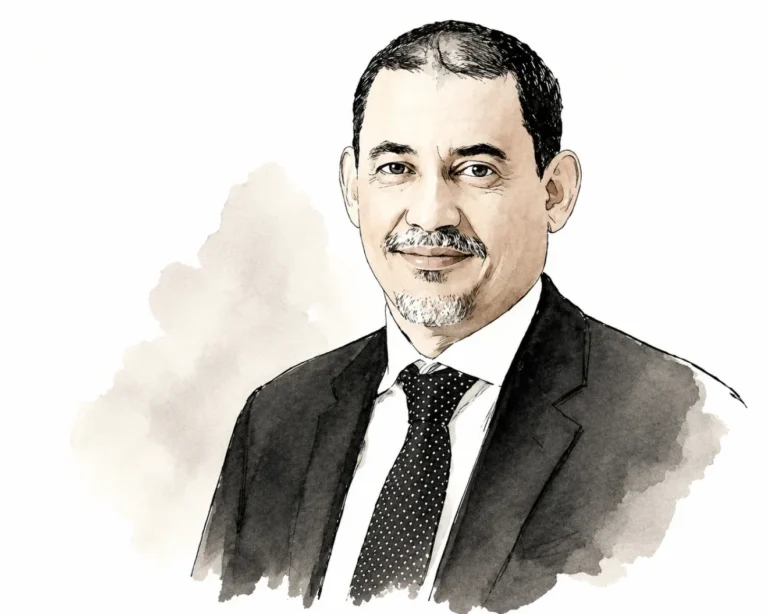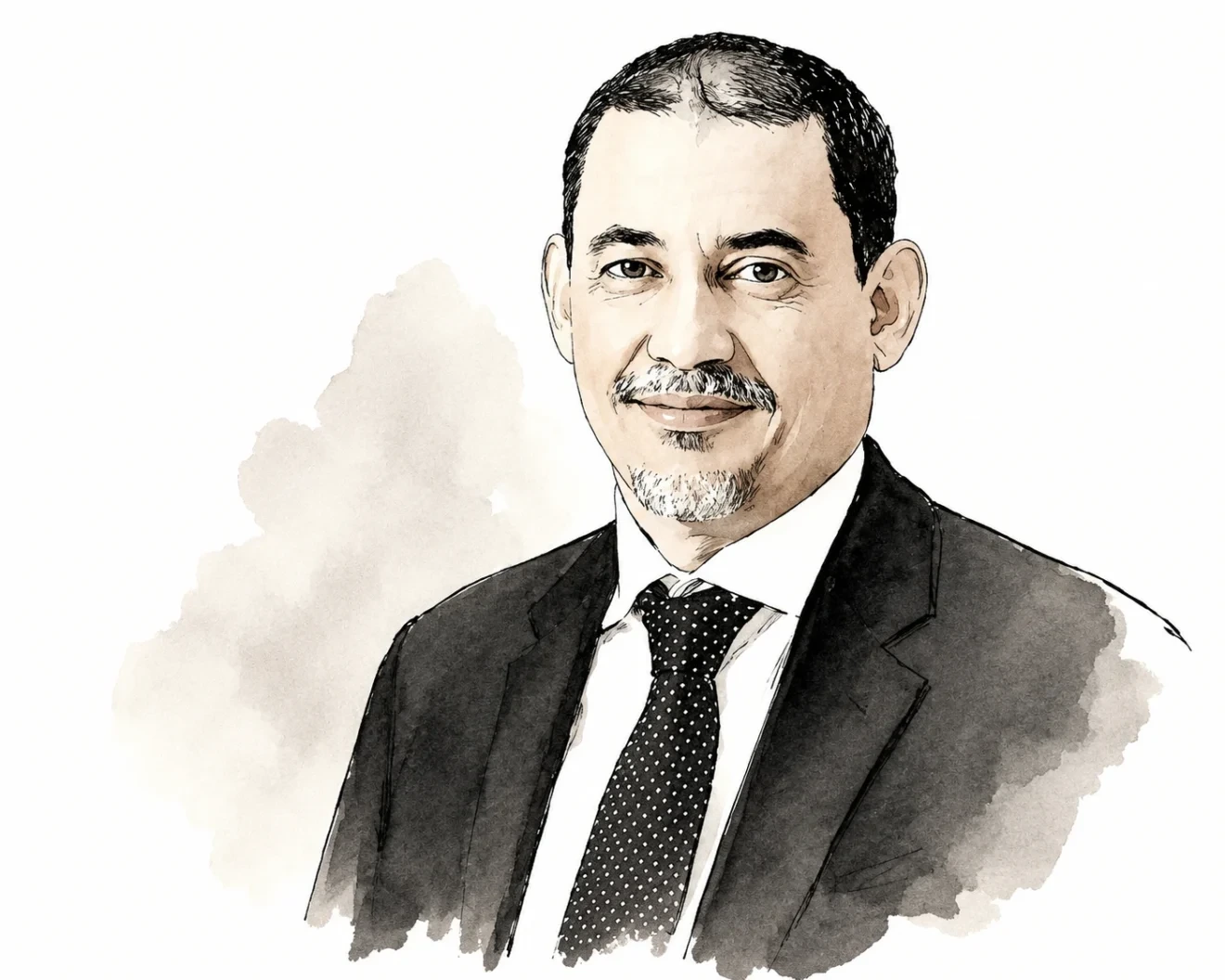
IMF Africa Director Zeine Zeidane has stated that fuel and other broad subsidies in African countries should be phased out and replaced with temporary, carefully targeted support for the poorest households.
Speaking to Arise News during the 2026 IMF/World Bank Annual Meetings in Bangkok, Thailand, Zeidane, former Prime Minister and Central Bank Governor of Mauritania said untargeted subsidies place heavy pressure on government budgets while disproportionately benefiting higher-income groups.
“Our overall view is that it is really important to support the most vulnerable groups in society. We often say that it is better to support those who need support rather than to support the product itself. This is the philosophy behind our views on support,” Zeidane said.
IMF Views on Subsidy
He explained that the Fund’s advice to most countries is to phase out subsidies gradually rather than abruptly. “You may need to do this gradually because you may not be able to do it in one step. Schedule it. Replace it with targeted support for the most vulnerable groups in society.
“Our analysis shows that, in reality, if you targeted the poorest 40% of society in terms of income, the cost would be around 0.5%. If you provide untargeted support, the cost will reach approximately 4% of GDP.
“Therefore, you can do a lot for the poorest 40% of society by targeting them instead of providing untargeted support that mostly goes to the wealthiest segments of society. Think, for example, about gasoline, and think about the owners of large cars; these are not the poorest segment of society.
“At the same time, it is important to create fiscal space for social spending, infrastructure, and other things. To achieve this, mobilizing revenues and spending intelligently are key parts of our policy advice.” He said.
On Nigeria specifically, the IMF reiterated the importance of temporary, targeted cash transfers and income support to ease high poverty rates and protect food security, particularly amid risks linked to weather patterns such as El Niño, while maintaining medium-term fiscal stability.