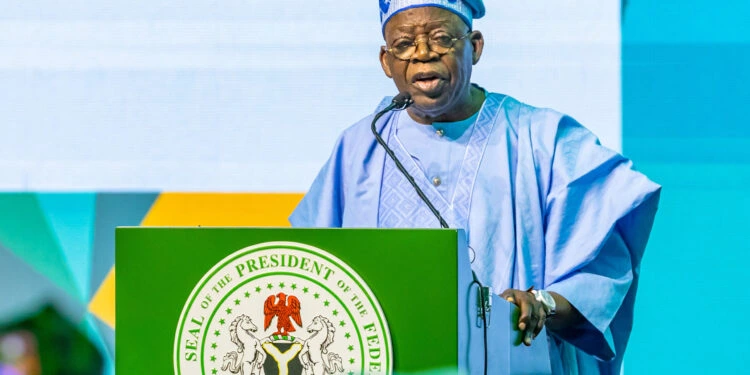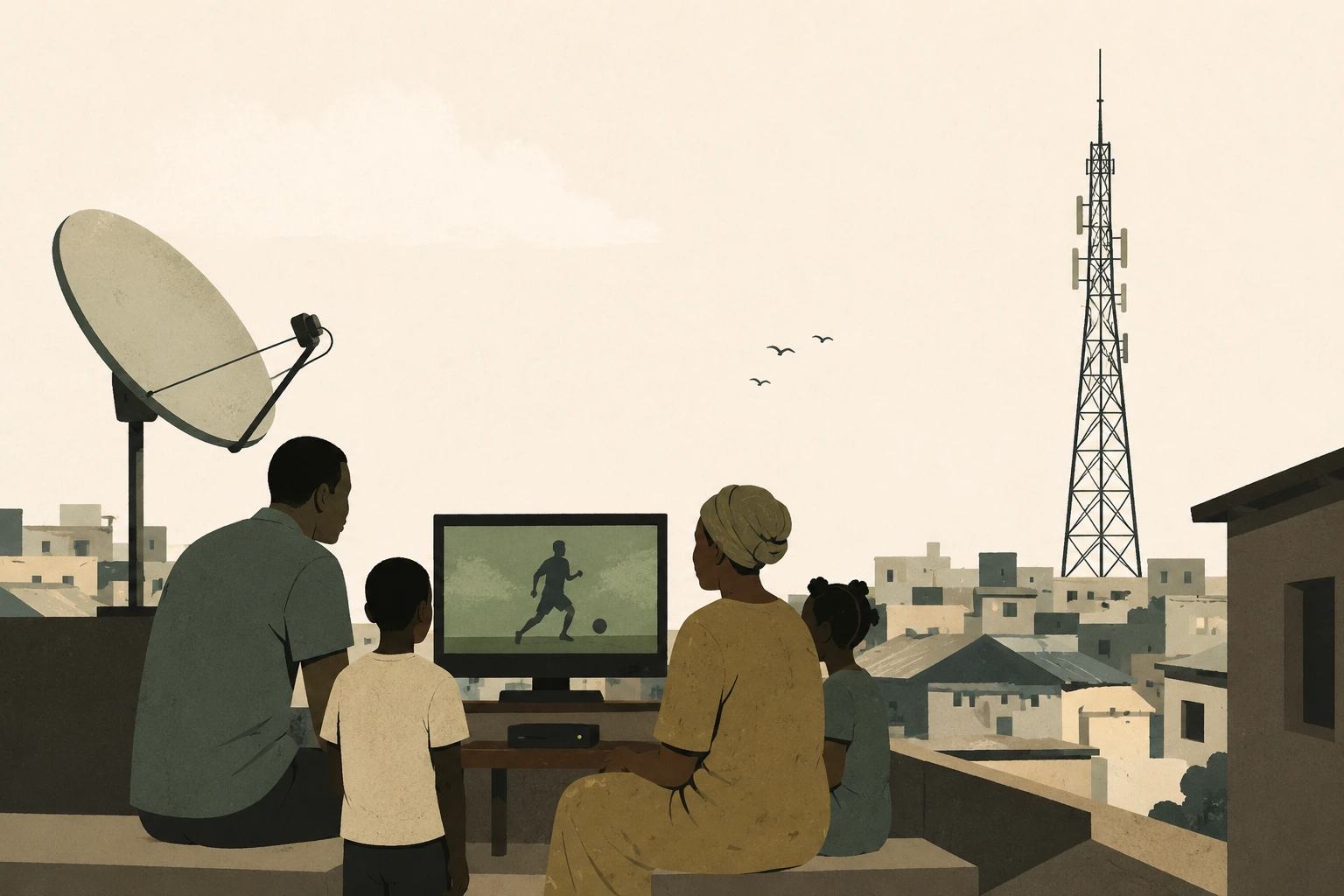
The Federal Government has officially launched FreeTV Nigeria, a new digital television platform designed to give millions of Nigerians access to television content without recurring subscription fees.
Announced as part of Nigeria’s long-running Digital Switch-Over (DSO) programme, the service promises access to more than 100 television channels covering news, sports, entertainment, education, movies, children’s programming and local language content.
While the launch has been welcomed as a major step toward digital inclusion, industry stakeholders say many Nigerians may misunderstand what the platform is, how it works, and what equipment is required to access it.
What Is FreeTV Nigeria?
FreeTV Nigeria is a government-backed digital television platform managed through the National Broadcasting Commission (NBC) and supported by the Nigerian Communications Satellite (NIGCOMSAT).
The platform aims to provide free access to television channels through a combination of satellite, terrestrial broadcasting and mobile streaming technology.
Unlike traditional pay-TV platforms that require monthly subscriptions, FreeTV is being marketed as a free-to-view service after the initial setup requirements have been met.
The government says the initiative is intended to expand access to information and entertainment, particularly in rural and underserved communities where access to digital broadcasting remains limited.
Is FreeTV Completely Free?
This is one area where many Nigerians may misunderstand the announcement.
The channels themselves are expected to be available without monthly subscription payments. However, viewers may still need compatible equipment before they can access the service.
Depending on the delivery method, users may require:
- A DVB-T2 digital terrestrial decoder
- A DVB-S2 satellite decoder
- A satellite dish
- Installation by a technician
- Internet access for mobile streaming
While there is no recurring channel subscription fee, the initial hardware and installation costs may still apply.
This distinction has become one of the biggest points of debate following the launch.
Do Nigerians Need a New Television Set?
No.
According to information released by the government, existing television sets can continue to work provided they are connected to compatible digital decoders.
Many modern smart TVs already support digital broadcasting standards, while older television sets can still receive signals through approved set-top boxes.
Viewers are being advised to verify whether their current decoder supports DVB-T2 or DVB-S2 standards.
What Channels Will Be Available?
The government says viewers will eventually have access to more than 100 channels.
These are expected to include:
- National and international news channels
- Sports programming
- Movies and entertainment
- Educational content
- Children’s channels
- Religious programming
- Indigenous language channels
A complete channel list has not yet been publicly released.
Can Nigerians Watch FreeTV on Mobile Phones?
Yes.
One of the most notable features of the launch is the introduction of the FreeTV mobile application.
The app is expected to allow viewers to access television content directly on smartphones and tablets, expanding access beyond traditional television sets.
This means Nigerians may be able to watch selected channels while travelling or in areas where conventional TV reception is limited.
However, mobile streaming will likely require internet connectivity and data usage.
How Is FreeTV Different From DStv Stream?
Many Nigerians searching online are comparing FreeTV with DStv Stream.
The two services serve different purposes.
FreeTV Nigeria
- Government-backed platform
- No monthly channel subscription fees
- Focus on free access to public and commercial channels
- Available through satellite, terrestrial transmission and mobile access
DStv Stream
- Subscription-based streaming platform
- Operated by MultiChoice
- Requires an active DStv package
- Provides premium sports, movies and exclusive entertainment content
In simple terms, FreeTV is designed as a free broadcasting platform, while DStv Stream remains a premium entertainment service.
Why Is Nigeria Switching to Digital Television?
The launch forms part of Nigeria’s Digital Switch-Over programme, a project that has been in development for nearly two decades.
Digital broadcasting allows television stations to transmit multiple channels using the same spectrum that previously carried only one analogue channel.
The benefits include:
- Better picture and sound quality
- More channels for viewers
- Reduced transmission costs
- Improved broadcasting efficiency
- Expanded opportunities for content creators
The transition also frees up valuable telecommunications spectrum that can later be used for broadband and mobile services.
Why Are Some Industry Groups Opposing the Launch?
One detail many readers may miss is that the launch has generated controversy within the broadcasting industry.
The Broadcasting Organisations of Nigeria (BON) argues that the newly launched platform differs from the digital migration model originally approved under Nigeria’s Digital Switch-Over framework.
Critics contend that the current satellite-based approach does not fully achieve the original objective of moving analogue terrestrial broadcasting to digital terrestrial broadcasting.
They also argue that the revised model raises questions about regulatory roles, competition and implementation procedures.
Supporters, however, say the satellite-first approach could help accelerate nationwide coverage after years of delays.
Nigeria’s Long Road to Digital Migration
Nigeria first committed to digital broadcasting migration in 2006 under an international agreement coordinated by the International Telecommunication Union (ITU).
The country originally targeted June 2015 for analogue switch-off but missed multiple deadlines because of funding challenges, infrastructure gaps and implementation delays.
According to NBC officials, tens of billions of naira have been invested in the project over the years, yet nationwide digital coverage has remained incomplete.
The government’s latest FreeTV rollout is being positioned as an effort to speed up adoption and finally move the country closer to full digital broadcasting.
What Happens Next?
The Federal Government says analogue television transmission is still scheduled to be completely phased out by December 31, 2028.
Between now and then, more households are expected to migrate to digital television platforms.

For viewers, the most important question will be determining what equipment is required to access the new service and whether the promised 100-channel offering becomes available nationwide as planned.
As FreeTV expands across the country, its success will likely depend on affordability, ease of installation and the quality of content available to Nigerian audiences.