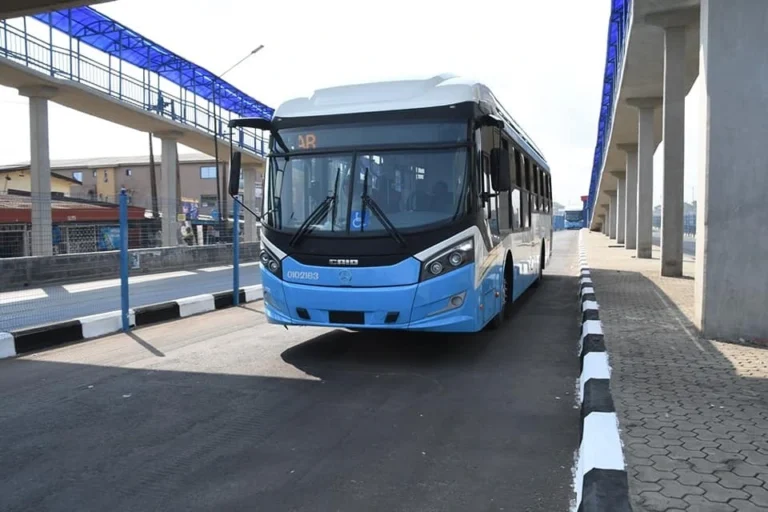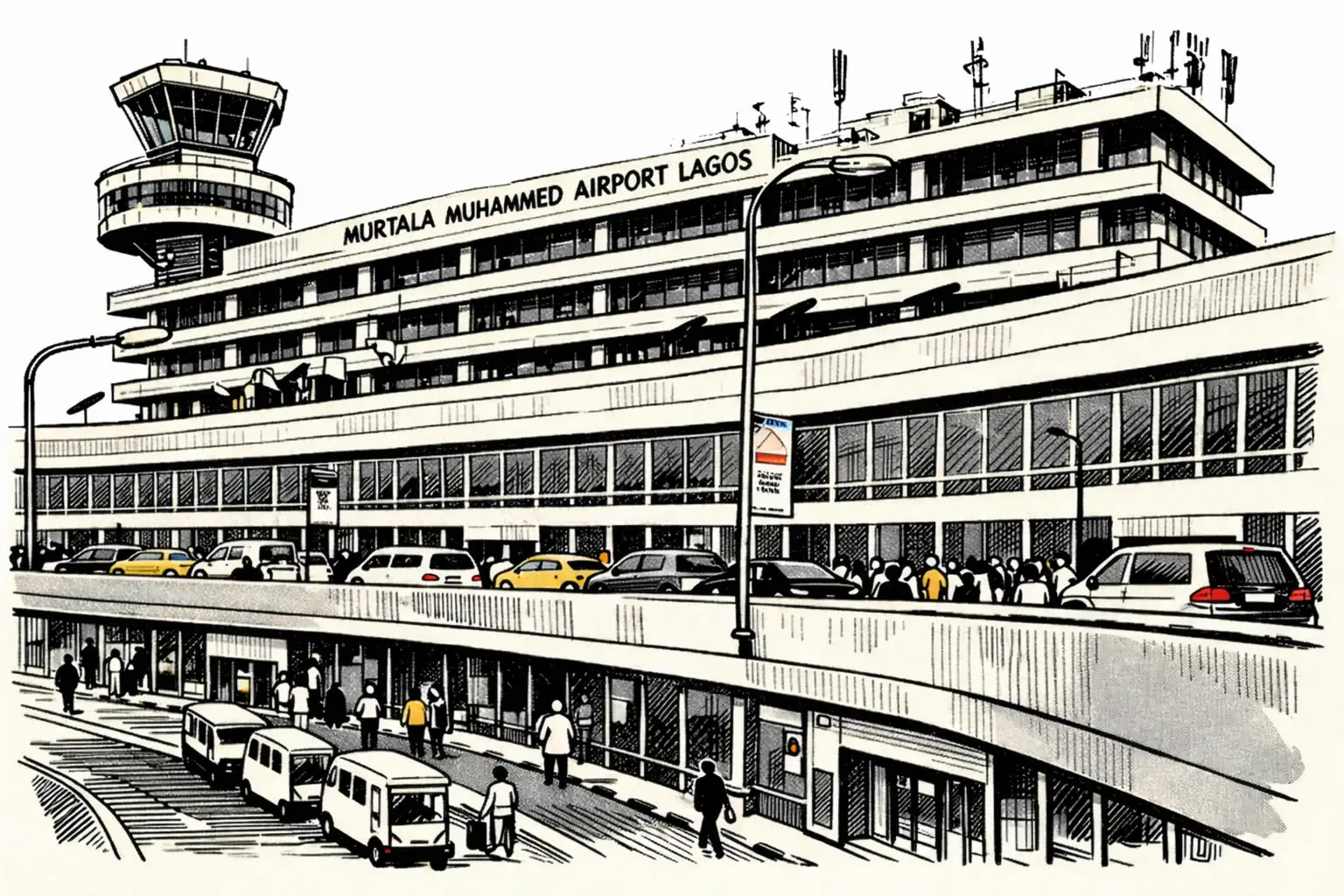
The Federal Government has unveiled plans to connect key airport terminals in Lagos including the the Murtala Muhammed International Airport (MMIA), the General Aviation Terminal (GAT), and the Murtala Muhammed Airport Terminal Two (MMA2) through an integrated rail network.
This is aimed at improving passenger movement, making it easier for passengers to move between airport facilities and surrounding transport networks.
The Minister of Aviation and Aerospace Development, Festus Keyamo, disclosed the plan during the opening ceremony of the Invest Lagos 3.0 Summit at Eko Hotel and Suites in Victoria Island, Lagos.
He said the Federal Ministry of Aviation and Aerospace Development is collaborating with the Lagos State Government to extend the rail line from Ikeja through GAT and MMA2 to the international terminal.
The initiative forms part of broader efforts to enhance connectivity, reduce travel bottlenecks within the airport complex, and position Lagos as a leading regional aviation hub.
“Lagos is ready for the next big step in aviation development. The rail extension project will further enhance connectivity and support the state’s growing status as a regional aviation hub,” Keyamo said.
The minister noted that Lagos remains the gateway to Nigeria’s aviation sector, accounting for approximately 67% of international passenger traffic into the country. He added that the city’s strategic location enables direct connectivity to major destinations across Europe, the Middle East, Southern Africa, and South America within roughly six hours.
Proposed Modernization of the Murtala Muhammed International Airport
Keyamo also revealed that President Bola Tinubu has approved a $500 million investment for the comprehensive modernization and reconstruction of the Murtala Muhammed International Airport.

According to him, the 22-month project will upgrade ageing airport infrastructure, improve operational efficiency, and enhance the overall passenger experience.
The modernization programme is also expected to boost investor confidence in the aviation sector and attract greater private sector participation. Keyamo pointed to recent efforts by the government to resolve industry disputes as evidence of reforms aimed at creating a more investment-friendly environment.