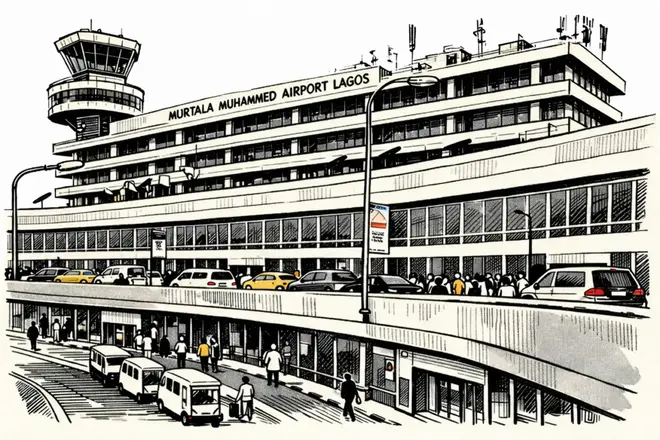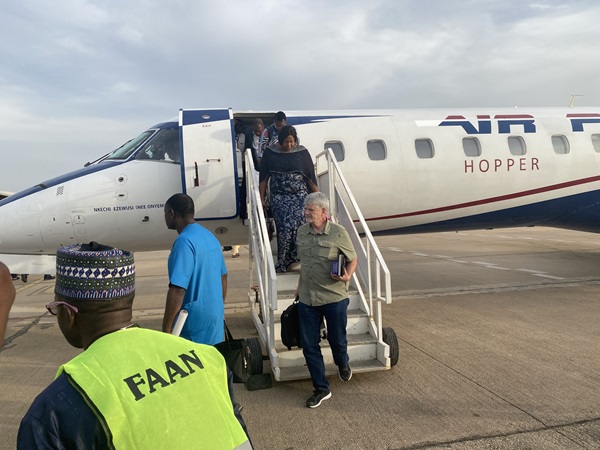
The Nigeria Customs Service (NCS) has launched the Simplified Customs Advanced Declaration System (SCADS) at the international wing of Nnamdi Azikiwe International Airport, marking a new phase in its efforts to modernise passenger processing and improve customs operations.
The development was announced in a statement issued on Tuesday by the NCS National Public Relations Officer, Abdullahi Maiwada.
According to the service, SCADS is a digital platform that allows inbound international passengers to declare their baggage and dutiable items before arriving in Nigeria. The system is designed to reduce manual bottlenecks, improve transparency in customs assessments, and enhance operational efficiency across the country’s international airports.
New System Replaces Earlier Platform
Speaking at the inauguration, the Deputy Comptroller-General of Customs in charge of ICT and Modernisation, Oluyomi Adebakin, described SCADS as a major milestone in the agency’s ongoing digital transformation programme.
Adebakin said the new platform was developed after the earlier passenger declaration system introduced earlier in 2026 experienced operational difficulties.
“When the earlier platform experienced operational challenges, we chose not to see it as a setback. We saw it as an opportunity to build something better, stronger and more efficient,” she said.
Faster Clearance for Travellers
The customs official explained that SCADS would enable passengers to complete declarations ahead of arrival, significantly reducing processing times at airports.
“For passengers, this system creates the opportunity for advance declaration before arrival. It means faster clearance, easier compliance and smoother movement through our airports,” Adebakin added.
The new system is also expected to remove subjective duty calculations by automatically generating customs charges based on the declared goods, quantities, and actual values.

How System Works
According to the NCS, SCADS uses data-driven processes to ensure more accurate and transparent duty assessments. The service believes this will strengthen compliance while reducing opportunities for disputes and under-assessment.
The launch forms part of broader reforms aimed at digitising customs procedures, facilitating legitimate trade, and improving the experience of international travellers entering Nigeria.